Bouclé fabric
A looped yarn: wool, cotton or synthetics. From the French 'boucler' – to curl. Looped yarns make a nubbly surface; the best known is Chanel's jacket tweed.
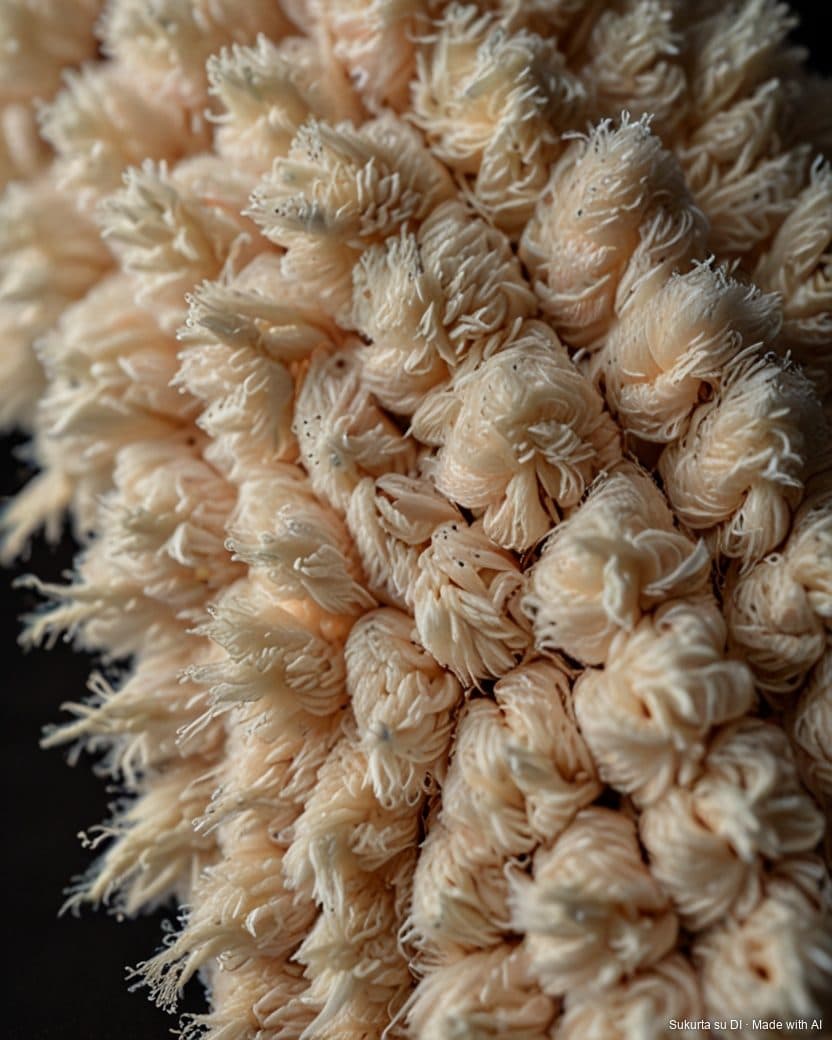
How it feels
Nubbly, plush and soft.
Season: Autumn and winter – it keeps you warm.
What it's used for
Jackets, coats, knitwear, upholstery.
A cropped bouclé jacket with jeans or a satin skirt – the modern Chanel look.
Pros
- Rich texture, warm
Cons
- Loops snag
Care: a typical label
Always follow your own garment's label – blends and finishes change the care.
How it's constructed
Looped (bouclé) yarn. Looped yarns make a nubbly surface – rich texture, but the loops snag.
A little history
Coco Chanel made bouclé her signature jacket fabric in the 1950s; in the 2020s it became a furniture star too.
How to recognise it
Read the surface: diagonal lines mean twill, shiny and slippery means satin, a raised nap means pile, sideways stretch means a knit.
Sustainability
A weave's footprint depends on the fibre it's made from – check the composition on the label.
When buying
The same weave behaves differently in different fibres: silk and polyester satin look alike, but only silk breathes. Always read the composition.
Frequently asked
01What is bouclé?
A looped yarn: wool, cotton or synthetics. From the French 'boucler' – to curl. Looped yarns make a nubbly surface; the best known is Chanel's jacket tweed.
02Is bouclé a natural fabric?
It's a weave or knit – whether it's natural depends on the fibre it's made from.
03Does bouclé shrink?
It can: bouclé may shrink about 3–5% the first time it's washed hot. Cool water and no dryer prevent it.
04Is bouclé breathable?
Moderately: it depends on the weave – open bouclé breathes far better than dense.