Types of fabric: properties, care and comparisons
41 fabrics and fibres – what they're made of, how they feel, whether they shrink or breathe, and how to care for them. Plus 16 comparisons for when you're choosing between two.
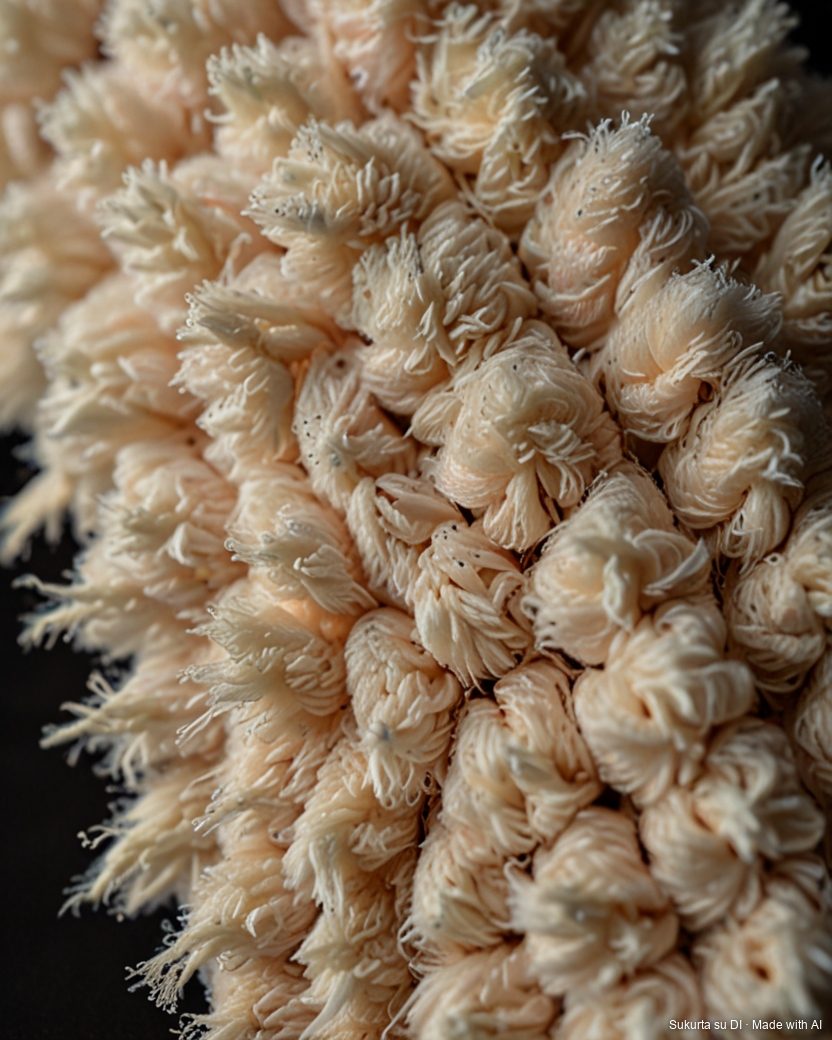 BoucléWeave or knitNubbly, plush and soft.
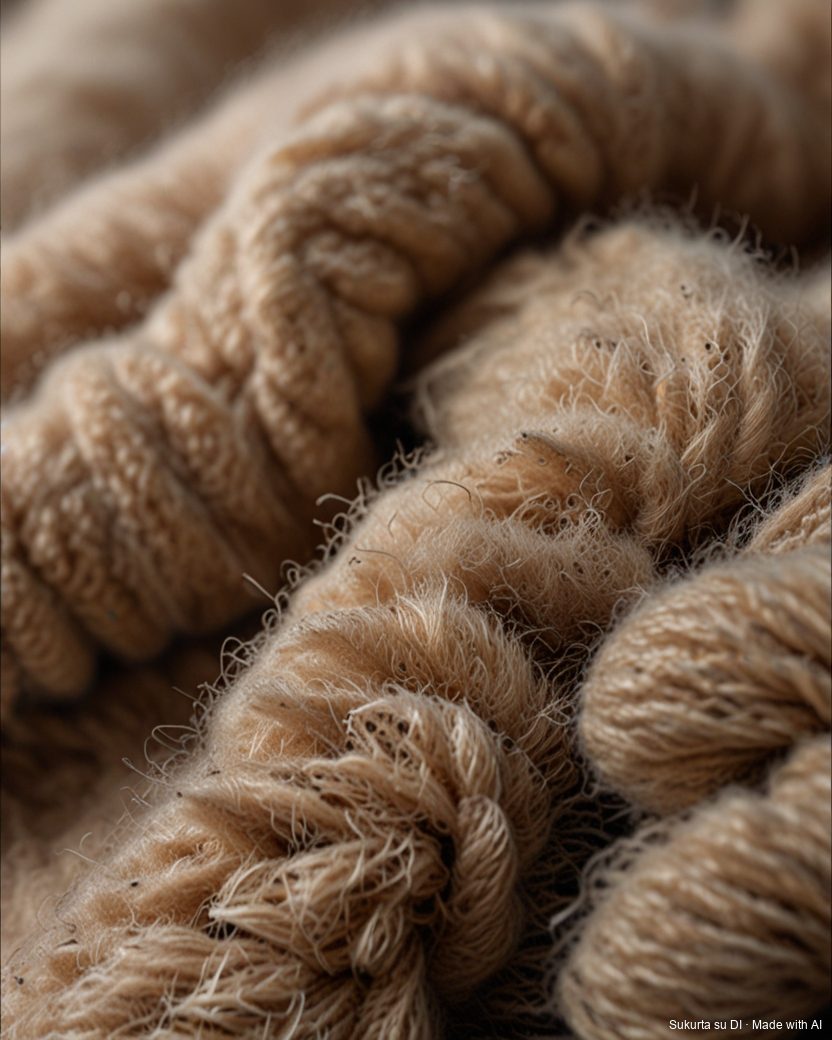 CashmereNatural animal fibreVery soft, light and warm.
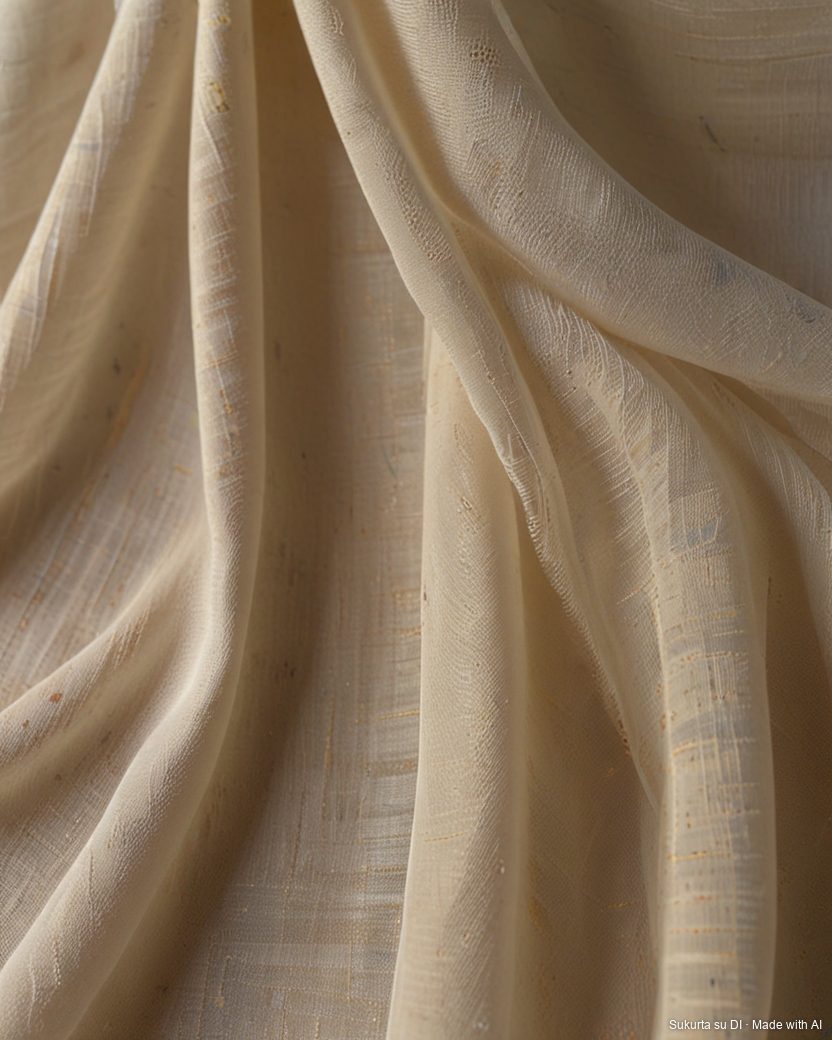 ChiffonWeave or knitFeatherlight, sheer and floaty.CorduroyWeave or knitSoft, warm and ribbed.
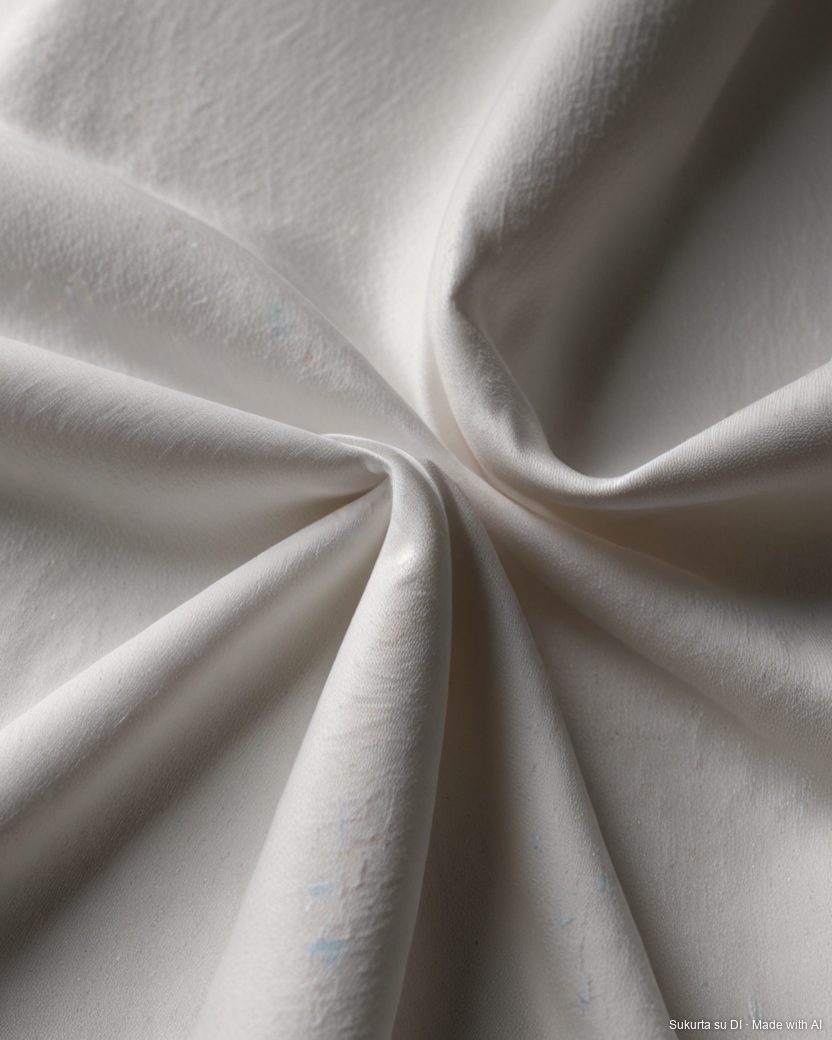 CottonNatural plant fibreCool, dry and kind to skin; softens with age.CrepeWeave or knitPebbly, matte, drapey.CuproRegenerated (from cellulose)Silky, very smooth and cool.
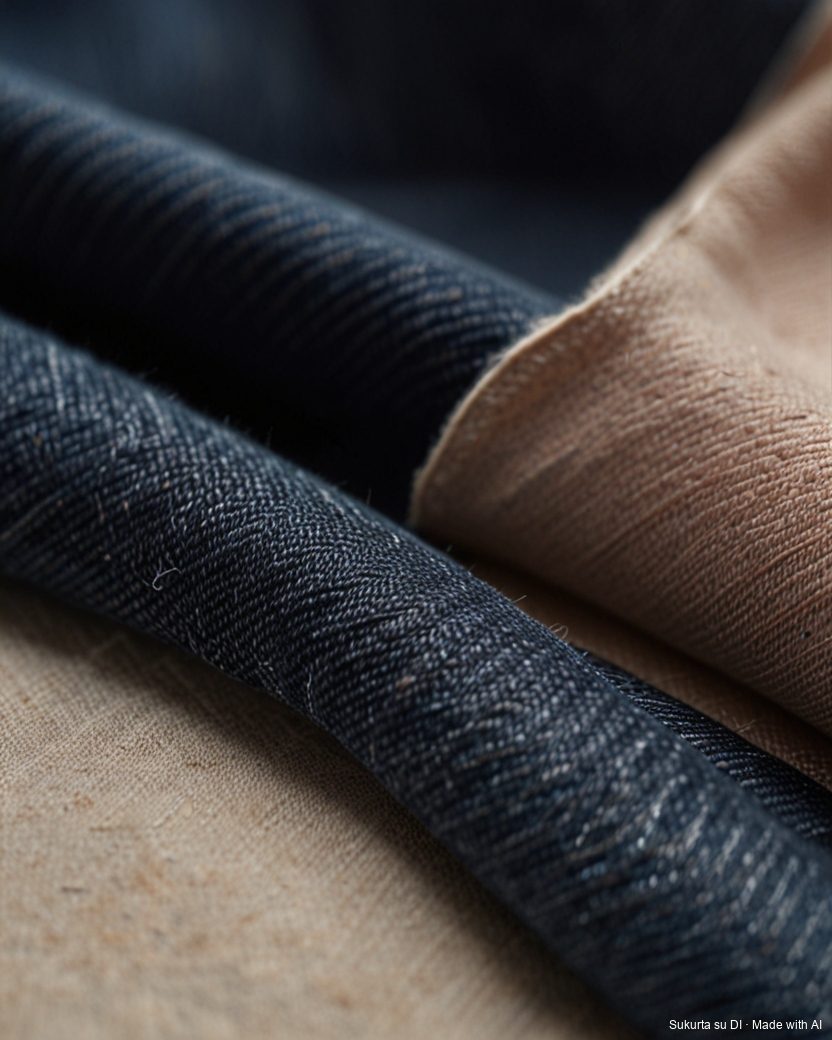 DenimWeave or knitSturdy and stiff, softens with wear.Elastane (spandex)SyntheticYou don't feel it – it adds stretch.Faux leatherSyntheticLeather-like, but doesn't breathe.FleeceWeave or knitFluffy, warm and light.GeorgetteWeave or knitDrapey, grainy and slightly springy.HempNatural plant fibreSturdy and dry, linen-like.JerseyWeave or knitSoft, stretchy, drapey.LaceWeave or knitLight, delicate, ornamental.
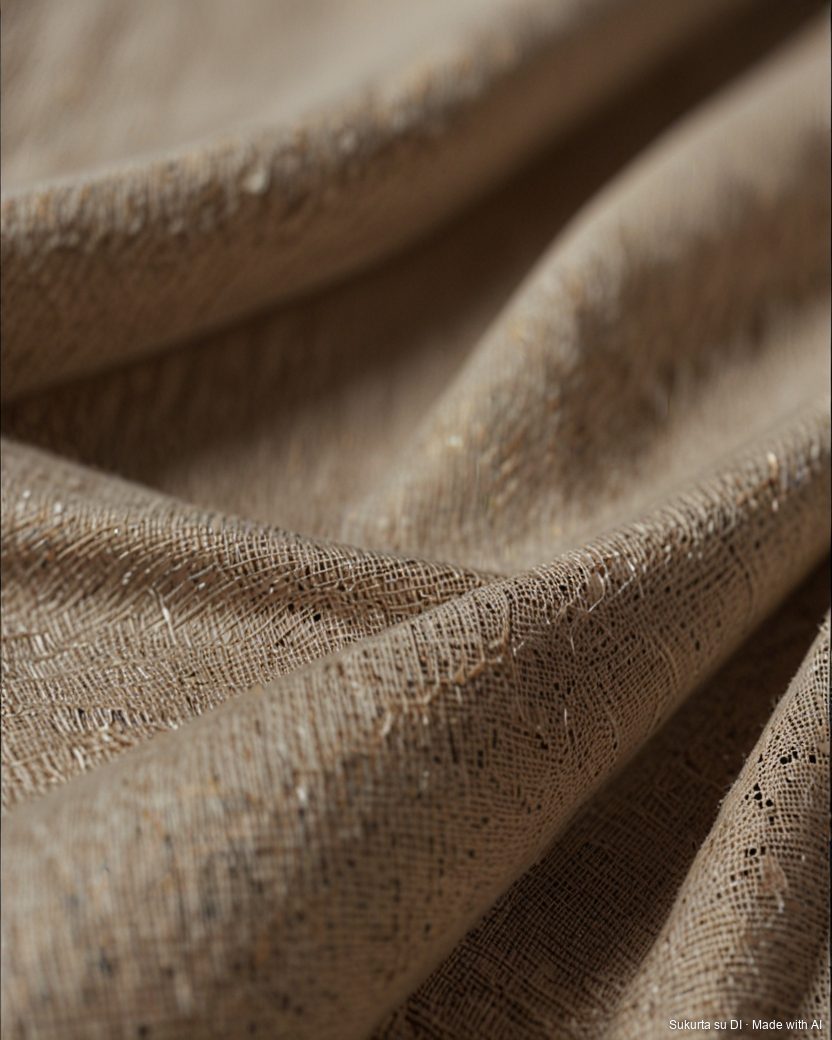 LinenNatural plant fibreCool, dry and slightly crisp – softens with every wash.
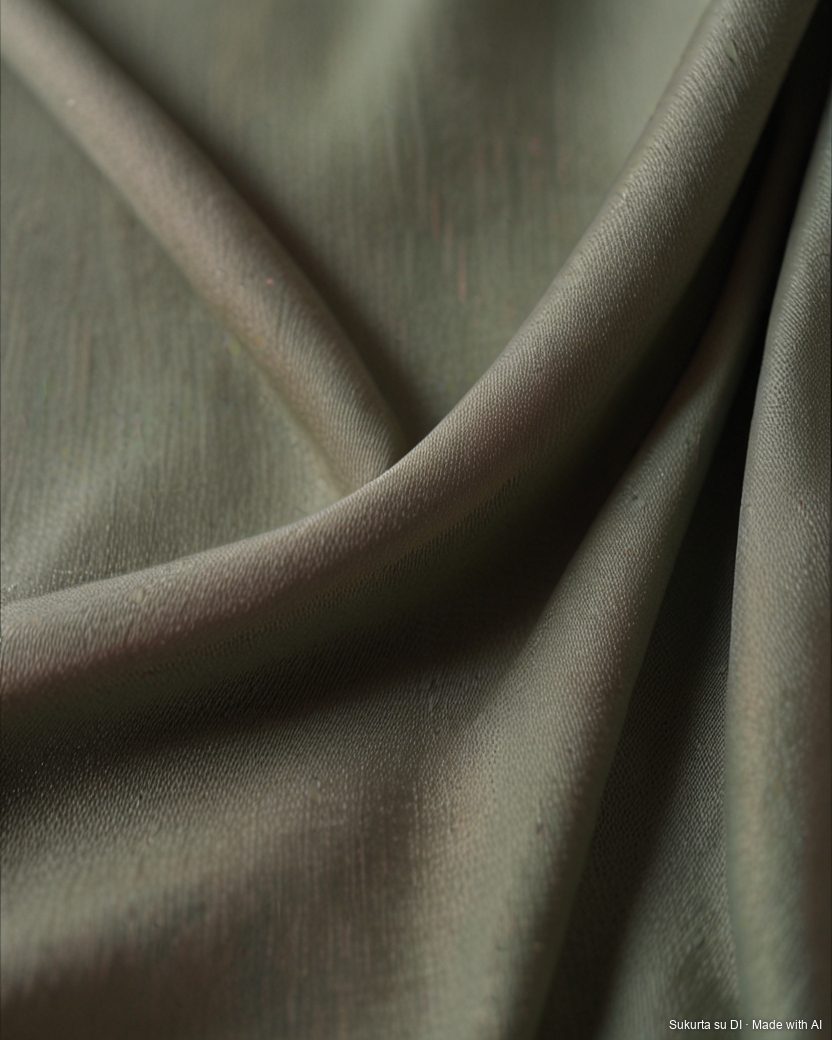 LyocellRegenerated (from cellulose)Smooth, cool, with a heavy drape.Merino woolNatural animal fibreSoft, light, no itch.ModalRegenerated (from cellulose)Very soft, silky and cool.MohairNatural animal fibreFluffy, light and warm; can tickle.MuslinWeave or knitVery soft, light and airy.Nylon (polyamide)SyntheticSmooth, elastic and very strong.OrganzaWeave or knitCrisp, papery, lustrous.
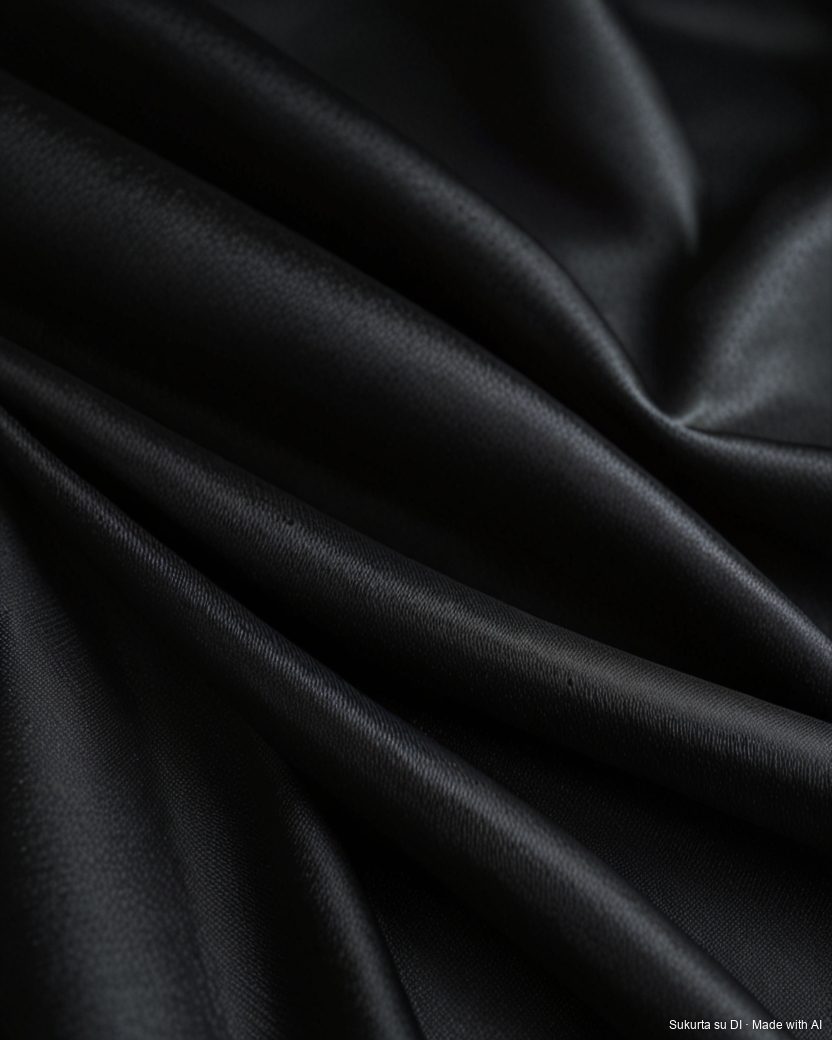 PolyesterSyntheticSmooth and light; can feel warm and sweaty.PoplinWeave or knitSmooth, crisp and cool.RayonRegenerated (from cellulose)Soft, drapey and cool.
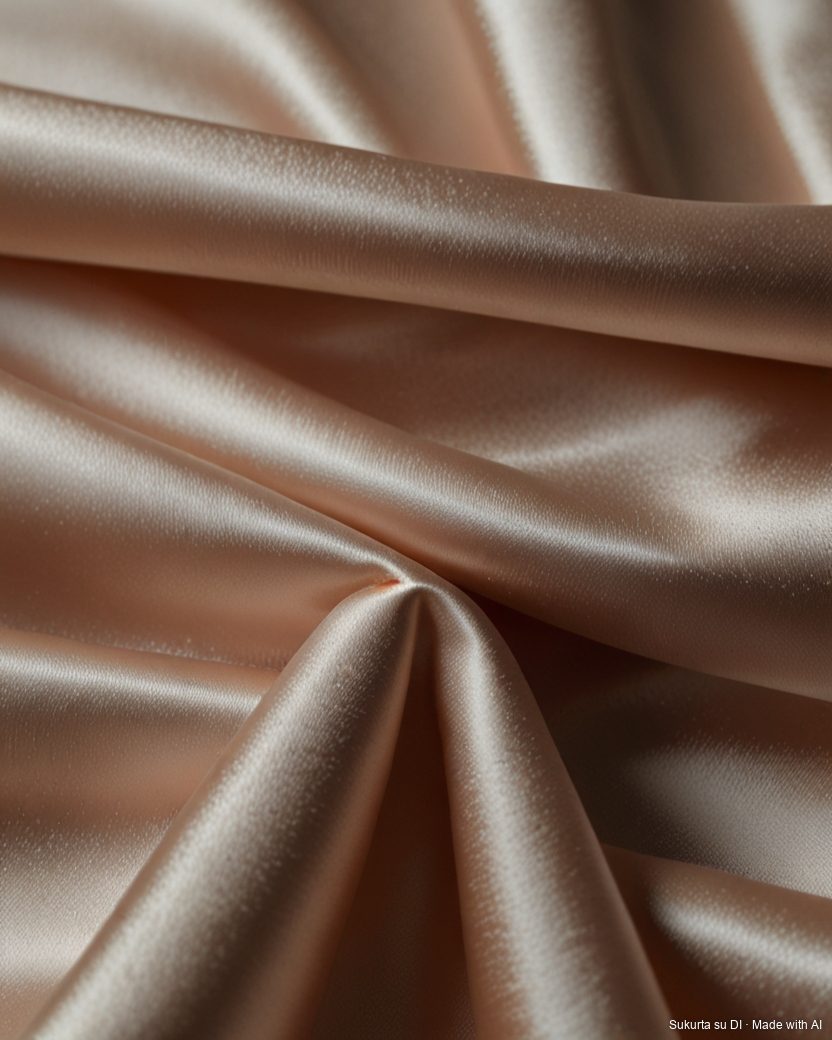 SatinWeave or knitSlippery, shiny, with a liquid drape.SeersuckerWeave or knitPuckered, light and cool.
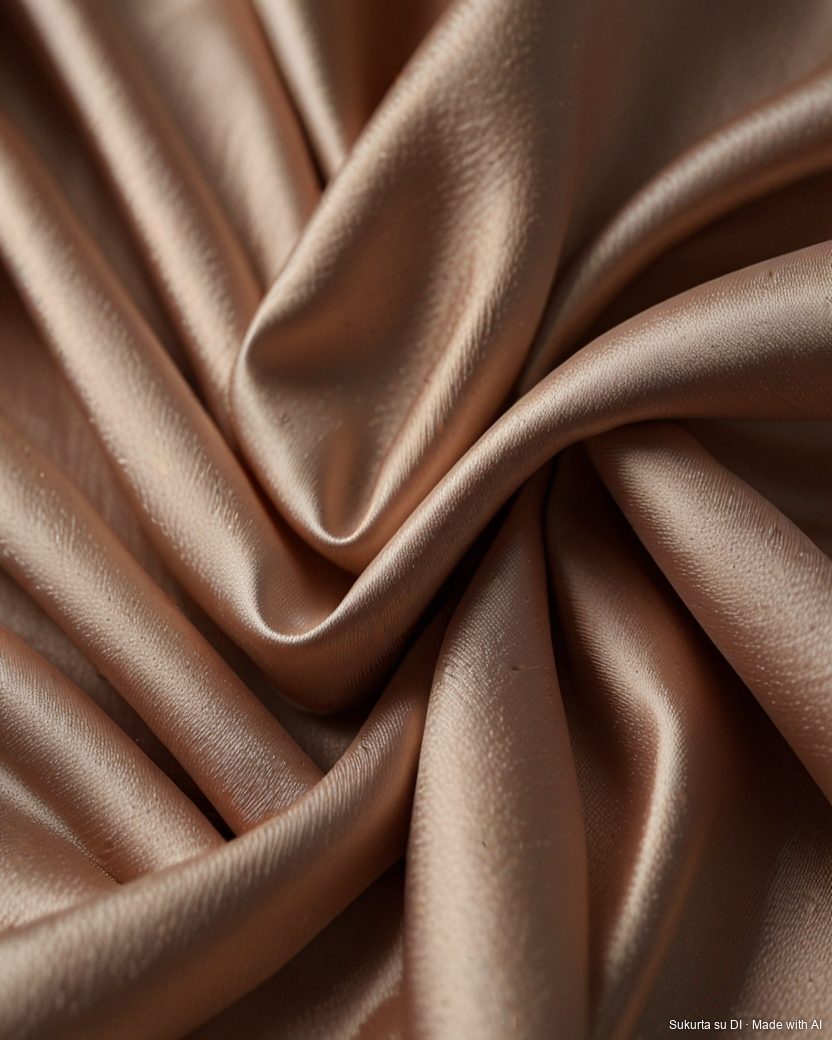 SilkNatural animal fibreSmooth, lustrous, cool in summer and warm in winter.TaffetaWeave or knitCrisp, stiff and rustling.TencelRegenerated (from cellulose)Smooth, cool and soft.TulleWeave or knitLight; stiff or soft depending on the fibre.
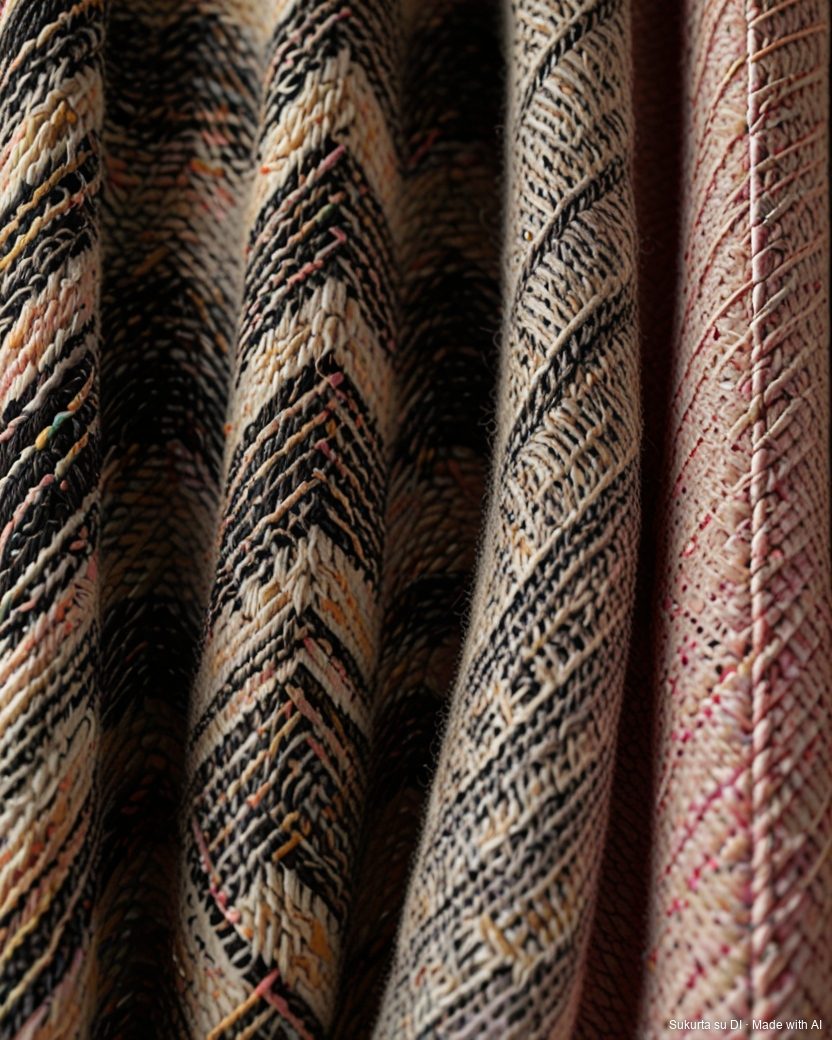 TweedWeave or knitRough, thick and warm.TwillWeave or knitDense with a soft drape.
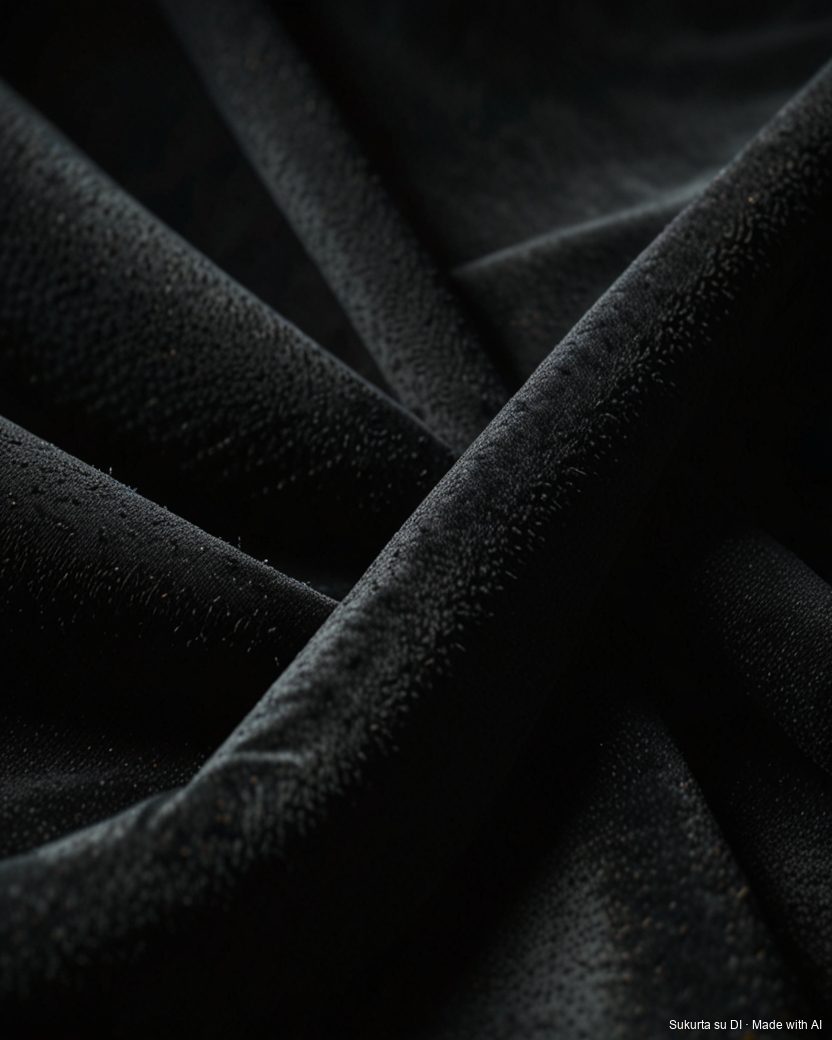 VelvetWeave or knitPlush, rich, changes shade in the light.
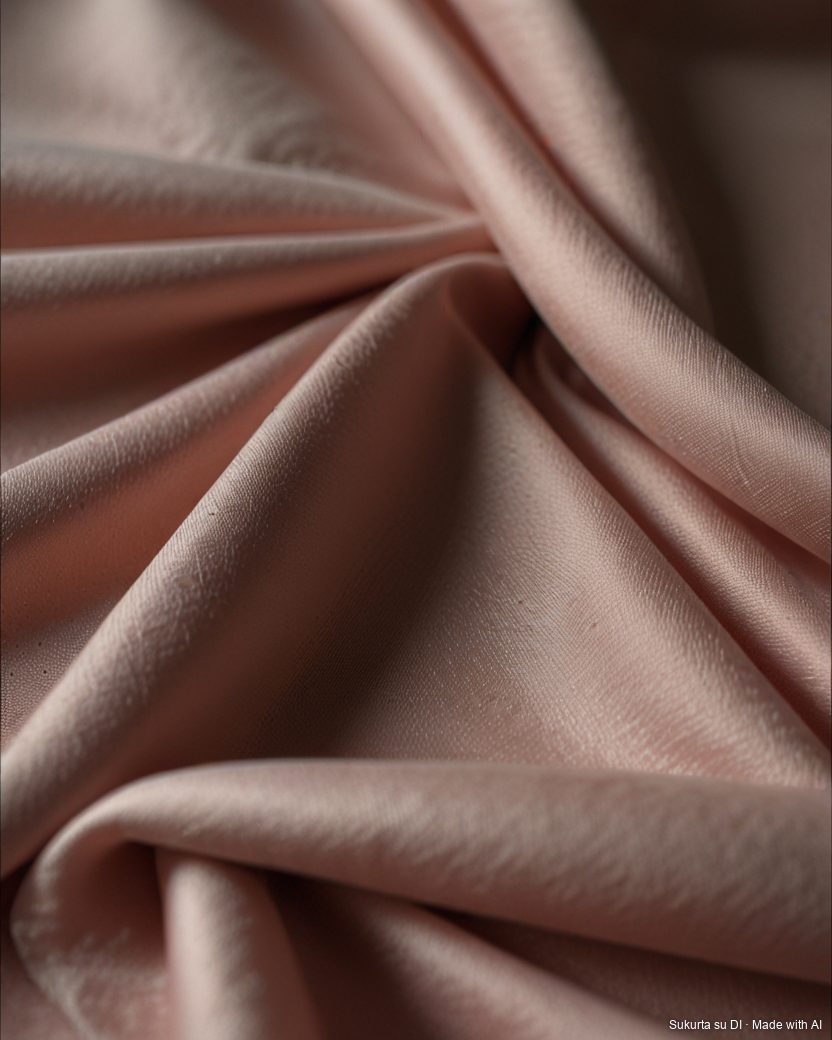 ViscoseRegenerated (from cellulose)Soft, slippery and fluid – silk-like.
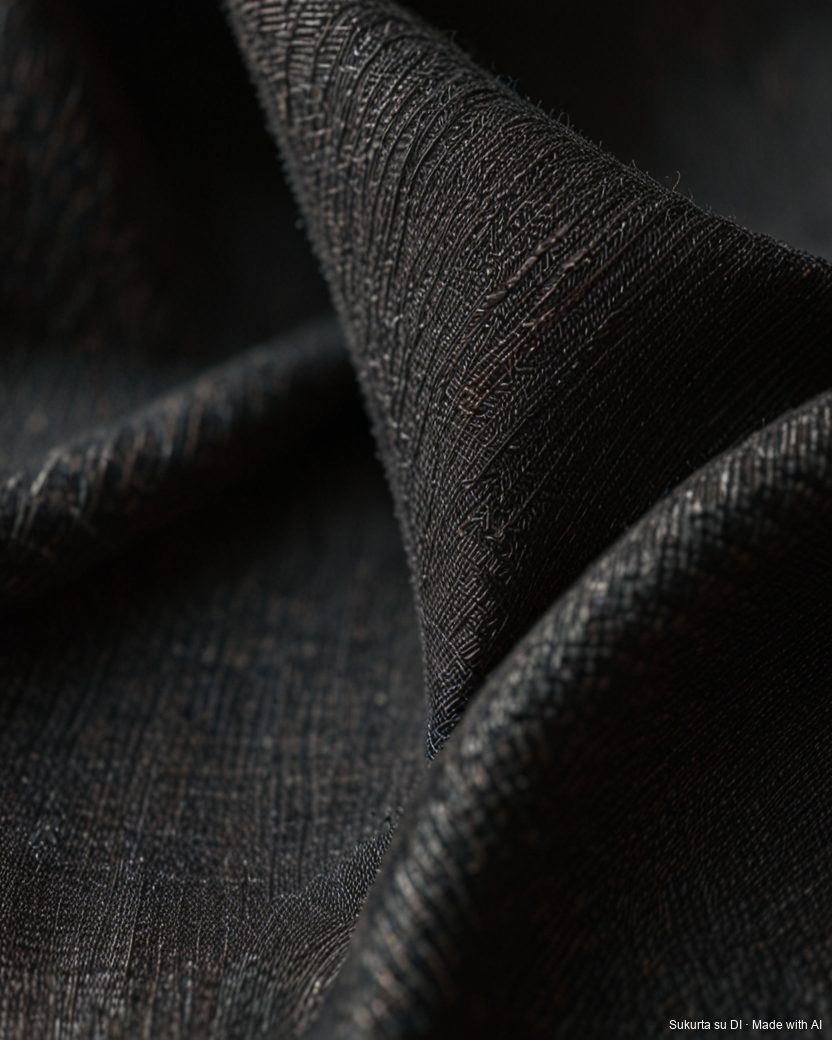 WoolNatural animal fibreWarm and springy, can feel a little scratchy.
Comparisons
Quick answers
Frequently asked
01What are the main types of fabric?
By fibre: natural plant (cotton, linen), natural animal (wool, silk, cashmere), regenerated from cellulose (viscose, modal, lyocell) and synthetic (polyester, nylon, acrylic, elastane). By construction: woven (plain, twill, satin) and knitted (jersey).
02What's the difference between a fibre and a fabric?
The fibre is the raw material (e.g. silk); the fabric is how its yarn is made into cloth (e.g. satin). That's why there's silk satin and polyester satin.
03Which fabrics are best for summer?
Linen, cotton (poplin, muslin, seersucker), lyocell and viscose – they breathe and absorb moisture. Avoid polyester and acrylic next to skin.
04Which fabrics are warmest?
Cashmere, alpaca, mohair, wool and tweed – and among synthetics, fleece.