

In short
- A face mask is an extra, not the foundation of skin care: it does not replace daily cleansing, moisturiser and sunscreen.
- Choose by what the skin lacks: a hydrating or sheet mask for dry skin, clay for oily skin, a gentle exfoliating mask for dullness, a soothing one for irritation.
- Hydrating masks can be used two or three times a week; clay and exfoliating masks once or twice at most.
- An LED mask is a device, not a cosmetic: it works with light and only shows results with regular use over several weeks.
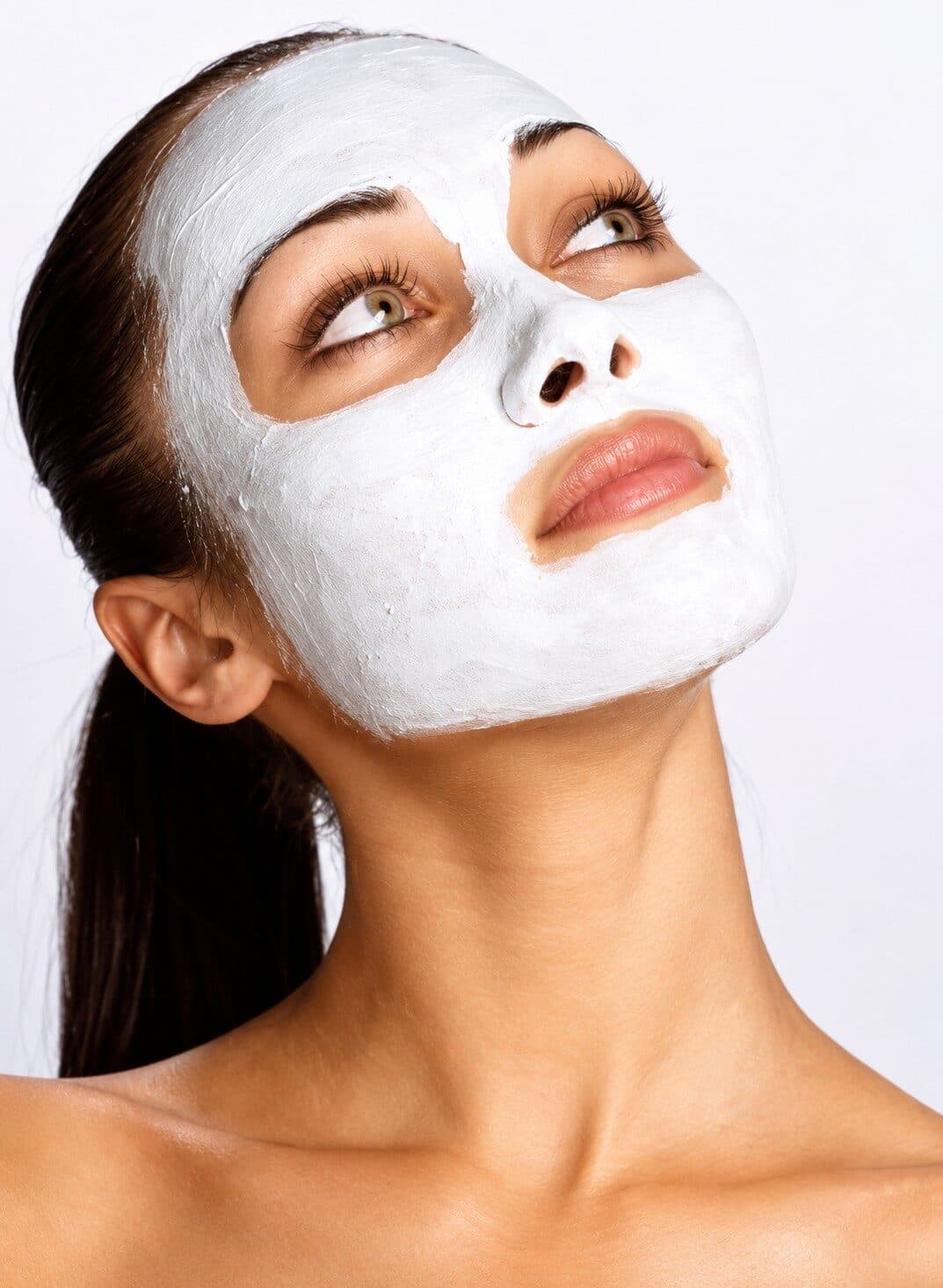
A mask is the fastest-acting product in skin care. Ten minutes after you put one on, skin looks firmer and smoother. Want proof? Apply it to half your face only, and compare once you take it off. That simple test is still the best way to find out whether a mask suits you.
What has changed over the years is the choice: Korean sheet masks, overnight masks, peel-off alginate masks and, next to them, LED light devices for home use. So the question "which face mask should I buy" is harder than it used to be.
What a face mask can and cannot do
A mask sits on the skin for 10 to 20 minutes and, because it covers the skin and stops ingredients evaporating, delivers more of them than a cream does. That is why skin looks more hydrated, smoother and brighter straight away. The effect is real but short-lived: a few hours to a couple of days.
What a mask cannot do is remove wrinkles, shrink pores for good or replace treatment for acne, rosacea or eczema. That takes a daily routine and, where needed, a dermatologist.
Types of face masks
| Type | What it is | Who it suits | How long |
|---|---|---|---|
| Sheet mask | A fabric or bio-cellulose sheet soaked in serum | Everyone, especially dry and tired skin | 10–20 min, while the sheet is still wet |
| Cream or gel hydrating mask | A rich mask with hyaluronic acid, glycerin, ceramides | Dry, dehydrated, mature skin | 10–20 min or as directed |
| Clay or charcoal | Absorbs excess oil | Oily and combination skin, the T-zone | About 10 min, rinsed before it dries completely |
| Exfoliating (acids or enzymes) | Dissolves dead skin cells | Dull, uneven skin; not sensitive skin | Exactly as directed, usually 5–10 min |
| Peel-off | A film you peel away once dry | Oily skin; may irritate sensitive skin | 15–20 min |
| Alginate | Seaweed powder mixed with water that sets into a rubbery film | Everyone; often used after salon treatments | 15–20 min |
| Overnight (sleeping) mask | A light mask left on instead of night cream | Dry, tired skin | All night |
| Eye patches | Hydrogel patches for the under-eye area | Puffiness and dryness before an event | 10–20 min |
| LED mask | A device that emits light of specific wavelengths | An addition to home skin care | 10–20 min, several times a week |
How to choose a face mask for your skin
- Very sensitive skin that reddens, stings or flakes: soothing masks with allantoin, panthenol, oat or chamomile extract, without fragrance or alcohol.
- Blackheads and breakouts: clay masks and masks with salicylic acid, once or twice a week.
- Visible capillaries and redness: gentle, cooling masks; avoid heat, scrubs and peel-off formulas.
- Dull, tired skin (smokers know it well): a mild exfoliating mask once a week, followed by a hydrating one.
- Office skin dried out by air conditioning: masks with hyaluronic acid, plant oils and ceramides, which add moisture and rebuild the lipid barrier.
- After sun: hydrating masks; brightening masks help fade the dark spots that appear later.
- Mature skin: masks with peptides, niacinamide and hyaluronic acid; lactic acid is gentler than glycolic.
- After a flight or a short night: a sheet mask and eye patches straight from the fridge. The cold reduces puffiness.
Sheet masks and Korean face masks
Sheet masks came with Korean skin care, and their appeal is simplicity: nothing to apply and nothing to rinse. A few rules make them work.
- Put the mask on clean, dry skin.
- Take it off before the sheet dries: a dry sheet starts pulling moisture out of the skin.
- Do not rinse the remaining serum. Massage it into the face, neck and hands.
- Finish with moisturiser to seal the water in.
There is another route: dry compressed masks that you soak in your own toner, hydrosol or serum, so you know exactly what is on your skin. The Mind University shop sells such disposable compressed facial masks.
A sheet mask can also be saturated with molecular hydrogen. That is what the Molecular hydrogen device for face masks is for: a cosmetic skin care device that saturates the mask in 5–10 minutes, after which it stays on the face for 10–15 minutes. Ten masks are included and it runs on USB or battery. It is a cosmetic care product, not a treatment.
Clay masks: how not to over-dry
The most common mistake is leaving a clay mask on until it cracks. By then it no longer cleans; it dries and irritates. Rinse it when the edges begin to lighten and the centre is still damp, and apply moisturiser at once. On combination skin, use clay on the forehead, nose and chin only, and a hydrating mask on the cheeks.
LED face masks: what they are and whether they are worth it
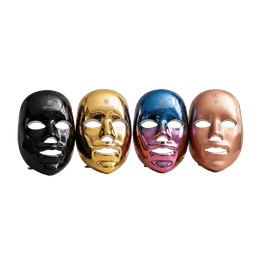
An LED face mask is a device with light-emitting diodes that give off light of particular wavelengths. Red and near-infrared light are studied for their effect on skin renewal, blue light for its effect on the bacteria involved in acne. Dermatologists use such light in clinics; home devices are weaker, so their effect is more modest and comes only with regular use, several times a week for at least a month or two.
- Check which colours (wavelengths) the device emits and how many diodes it has.
- Use it on clean, dry skin for the time given in the instructions.
- Protect your eyes if the manufacturer says so.
- If you take medicines that make skin sensitive to light, or have a skin or eye condition, ask your doctor first.
- An LED mask replaces neither sunscreen nor treatment.
Mind University has two: the Photon Therapy Mask, a seven-colour LED light mask for cosmetic facial skin care at home, and a PRO model. For the eye area there is a separate red light under-eye massager.
How to use a face mask: order and frequency
- Remove make-up and wash your face.
- If you use a scrub, do it before a hydrating mask, and not on the same day as an exfoliating mask.
- Apply the mask, avoiding the eyes and lips unless it is made for them.
- Leave it on for the stated time. Longer is not better.
- Rinse with lukewarm water, or massage in what is left.
- Follow with serum and moisturiser, and with sunscreen in the morning. See how to choose a sunscreen.
| Mask | How often |
|---|---|
| Hydrating, sheet, soothing | 2–3 times a week |
| Clay, charcoal | 1–2 times a week |
| Exfoliating with acids | Once a week; not on the same night as retinol |
| Overnight | 2–3 times a week instead of night cream |
The most common mistakes
- A new mask the day before an important event. Any new product can irritate; test it at least a week ahead.
- Several strong products at once: an exfoliating mask, retinol and an acid toner on the same evening.
- A mask on uncleansed skin.
- Putting up with burning. A light tingle from acids is normal; burning and redness mean rinse it off now.
- Home-made masks with lemon, baking soda or cinnamon: they damage skin more often than they help.
Masks before a shoot or a casting
At a model agency the rule is simple: before a job, only what you have already tried. The night before a shoot, a hydrating sheet mask; in the morning, eye patches. Clay and exfoliating masks belong three or four days earlier so the skin has time to settle. Castings are attended without make-up, so the state of your skin shows at once.
We cover skin care before castings in model training, and if you would like a person rather than an advert to put your routine together, that is what an image consultation is for. More on preparing: how to prepare for a model casting.
Frequently asked questions
How often should you use a face mask?
Hydrating and sheet masks two or three times a week, clay masks once or twice, exfoliating acid masks once a week.
Do you wash your face after a sheet mask?
No. Remove the sheet, massage the remaining serum into the skin and apply moisturiser.
Is it better to use a face mask in the morning or at night?
Cleansing and exfoliating masks at night, because skin is more sensitive to the sun afterwards. A hydrating or sheet mask also works in the morning before make-up.
Do LED face masks work?
The effects of red and blue light on skin are being studied, and dermatologists use light in clinics. Home devices are weaker, so results are modest and appear only with regular use over several weeks.
Which face mask is best for sensitive skin?
A soothing one without fragrance or alcohol, with allantoin, panthenol or oat extract. Peel-off and strong acid masks are best avoided.
Can you leave a face mask on overnight?
Only one made for it, a sleeping mask. A sheet or clay mask left on overnight will dry the skin out.
Sources
- Cleveland Clinic, LED light therapy.
- American Academy of Dermatology, Lasers and lights: how well do they treat acne?




Comments (0)
No comments yet. Be the first!
Only logged-in users can comment. Register — and you'll be able to share your thoughts on this article.
Register