


In short
- A skincare routine rests on three things: gentle cleansing, moisturising and sun protection. Everything else is an extra.
- Morning: cleanser, serum if you use one, moisturiser, sunscreen. Night: make-up remover, cleanser, an active, moisturiser.
- Retinol goes on at night, vitamin C and sunscreen in the morning; hyaluronic acid and niacinamide work at either end of the day.
- Models' "secrets" are plain: always take make-up off, moisturise, wear sunscreen and sleep.
Nobody is flawless, they say, yet models' skin seems to prove otherwise. Their faces are made up and wiped clean several times a day during fashion weeks, and still look fresh on covers, on the runway and off it. How do they look after their skin?
The answer is less mysterious than it looks. This guide covers everything a daily skincare routine needs: how to find your skin type, the order of products morning and night, what retinol, hyaluronic acid and niacinamide do, which myths to drop, and what models themselves say about their skin.
Start with your skin type
Choose products for your skin type, not for the advert. A simple test: wash your face with a gentle cleanser, apply nothing, and look in the mirror an hour later.
| Skin type | After an hour | Cleanser | Moisturiser |
|---|---|---|---|
| Dry | Feels tight, may flake | Cream or milk | Richer, with ceramides |
| Oily | Shiny all over | Gel or foam | Light, gel, non-comedogenic |
| Combination | Shiny forehead, nose and chin, dry cheeks | Gentle gel | Light all over, richer on the cheeks |
| Normal | Neither tight nor shiny | Any gentle one | Medium |
| Sensitive | Reddens, stings with new products | Fragrance-free cream | Fragrance-free, soothing |
Morning skincare routine
Dermatologists recommend applying products from the lightest to the richest: after cleansing comes any treatment, then moisturiser and sunscreen, and make-up last.
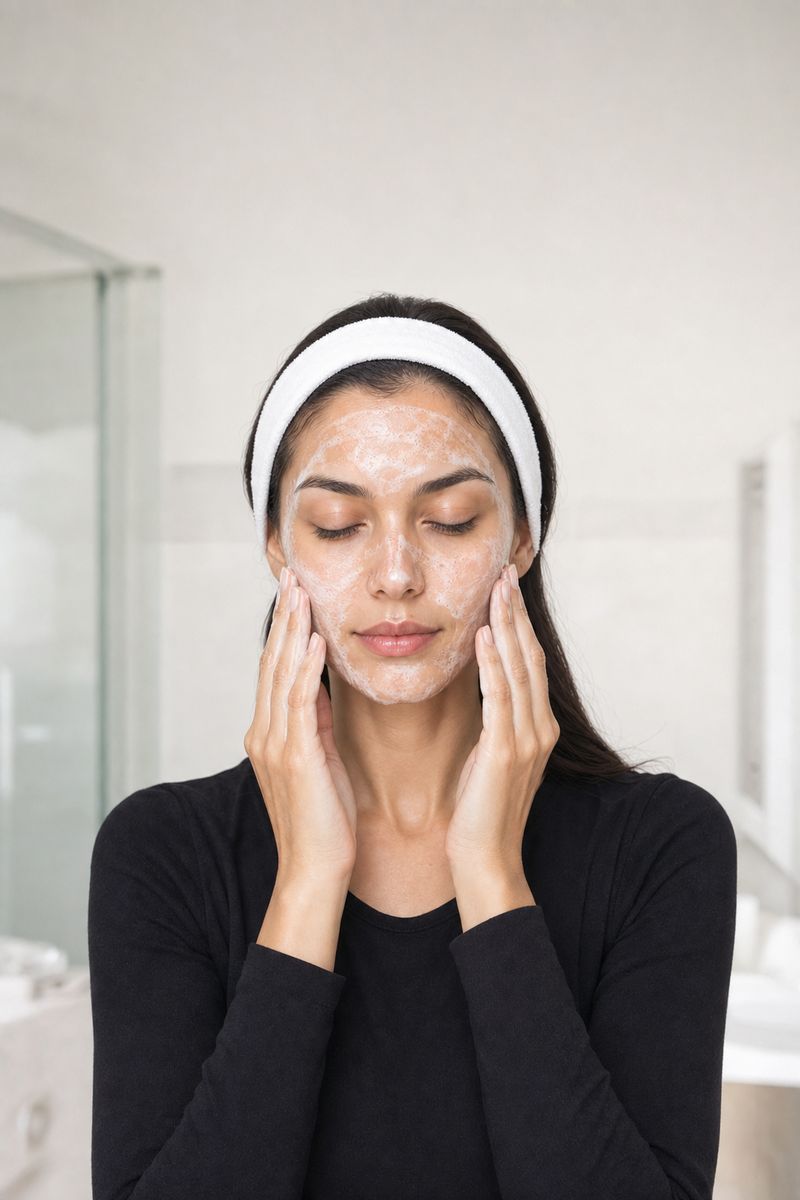
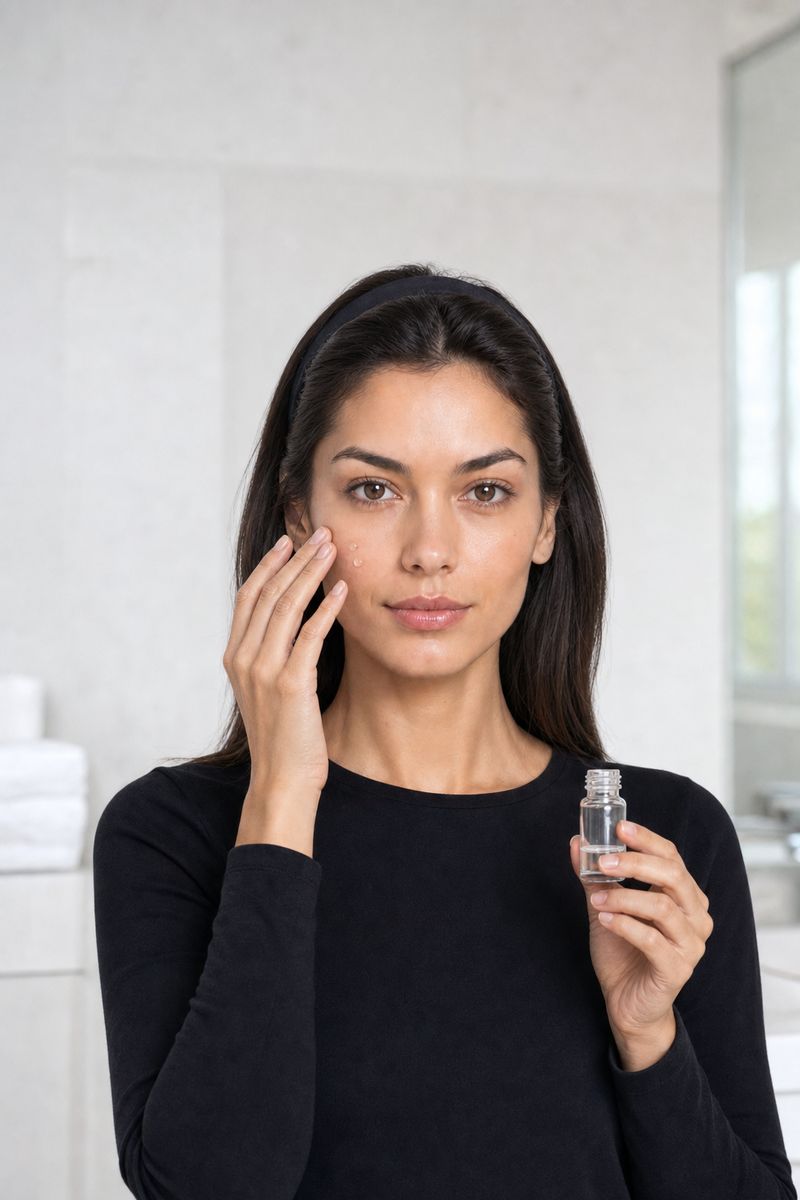
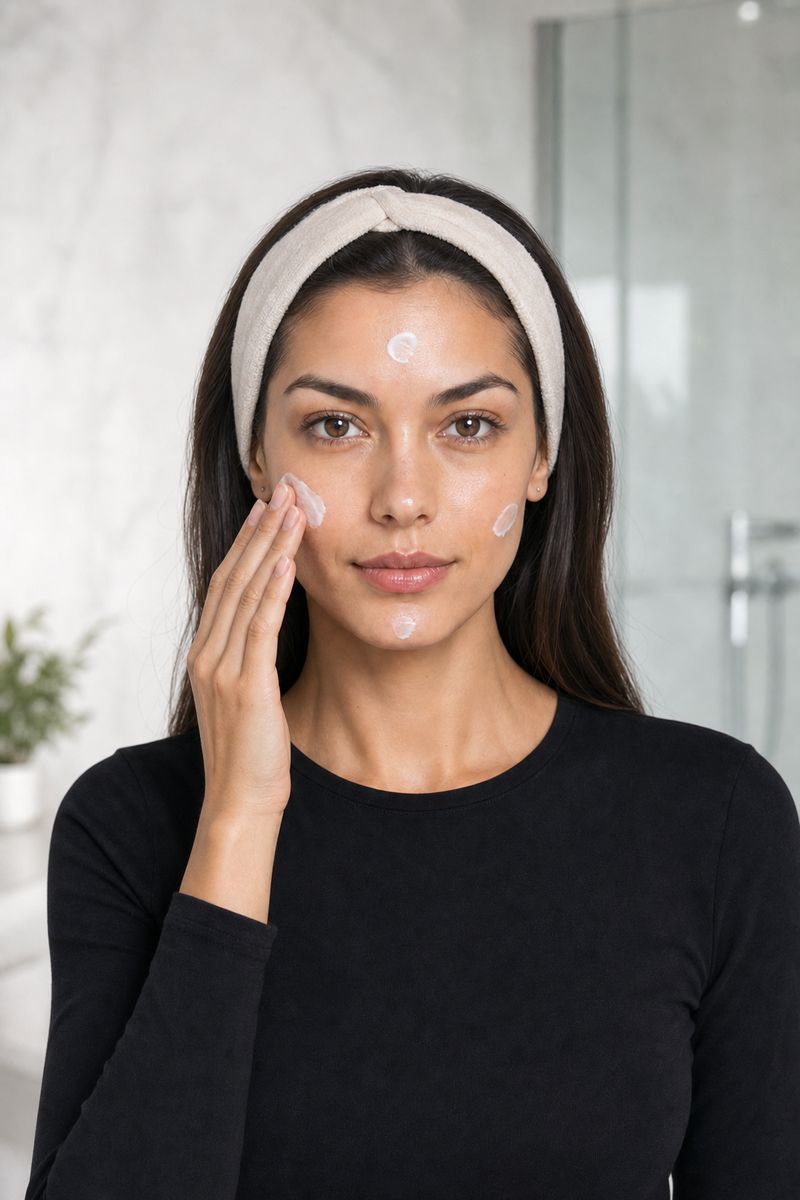
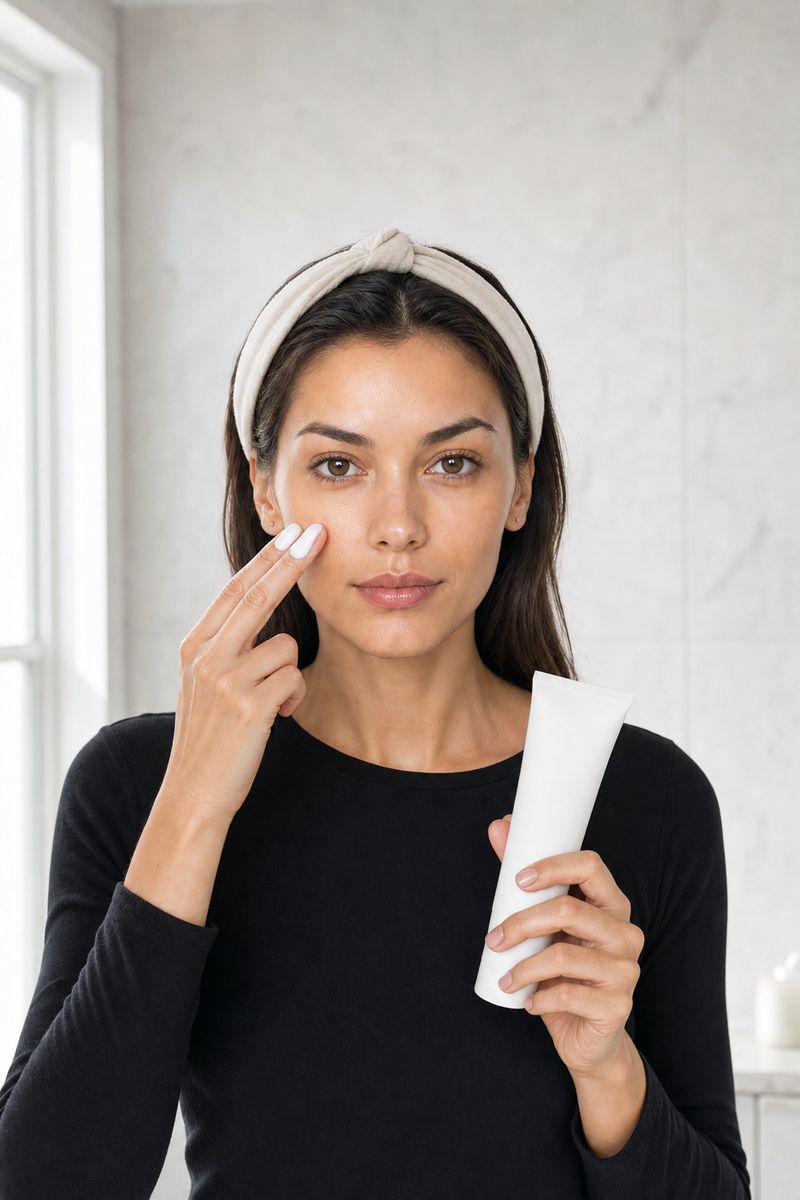
Do you need a cleanser in the morning? Opinions differ. Overnight the skin renews itself and releases sweat and oil that mix with dead cells, which is why many beauty therapists call the morning wash one of the most important steps. Very dry or sensitive skin, on the other hand, may do well with lukewarm water alone, since too much cleansing dries it out. A practical rule: oily or combination skin, cleanse morning and night; dry skin, water in the morning and cleanser at night.
Sunscreen is the step you cannot skip. Make-up with SPF is not enough: you would need a lot of it and to reapply every two hours. How to pick one is in our guide how to choose sunscreen.
Night skincare routine
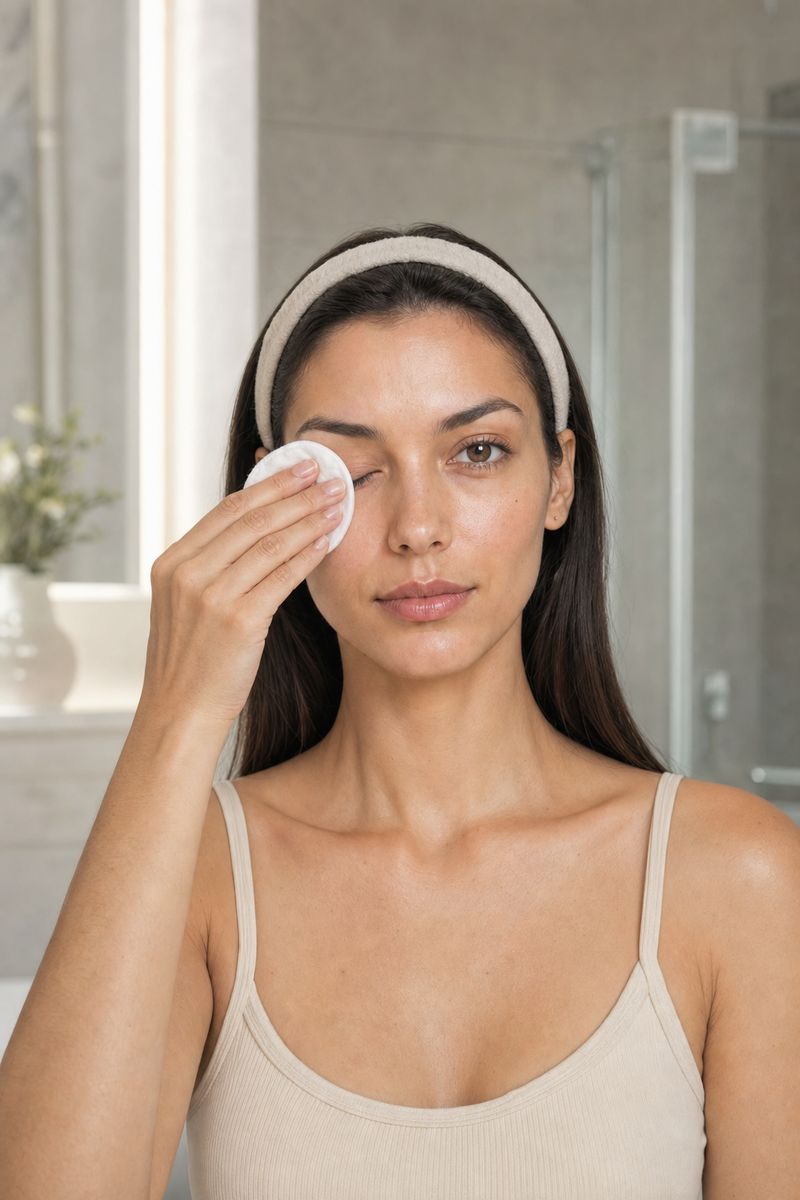
- Make-up remover. Micellar water, a cleansing oil or a balm dissolves make-up and sunscreen. If your cleanser removes make-up, you can skip this.
- Cleanser. The same as in the morning. Double cleansing is most useful after a day of sunscreen and make-up.
- An active. Night is the time for retinol or acids, but not both on the same night.
- Moisturiser. Night creams are usually richer, because the skin renews itself fastest while you sleep.
Toner is optional. The old "cleanse, tone, moisturise" dates from when cleansers were alkaline and toner restored the skin's pH. A hydrating toner can be a pleasant extra, but drying oily skin with an alcohol toner backfires: strip the oil and the skin makes more.
The actives: what does what
| Ingredient | Used for | When | Good to know |
|---|---|---|---|
| Retinol | Texture, fine lines, uneven tone | Night | Start twice a week; skin may dry. Sunscreen by day is a must. Not during pregnancy |
| Hyaluronic acid | Hydration: draws and holds water | Morning and night | Apply to damp skin and seal with moisturiser |
| Niacinamide | Oil, the look of pores, redness | Morning and night | Well tolerated; works with most products |
| Vitamin C | Antioxidant, brightness | Morning, under sunscreen | Can irritate sensitive skin; start low |
| Acids (AHA, BHA) | Exfoliation without scrubbing; salicylic acid clears pores | Night, 1–3 times a week | Not on the same night as retinol |
| Ceramides | The skin barrier | Morning and night | Good for dry and sensitive skin |
The main rule: one new product at a time. Give it two or three weeks before adding another. If your skin stings, peels or reddens, go back to cleanser, moisturiser and sunscreen.
Once a week: exfoliation and masks
Exfoliate once a week with a scrub, an acid or an enzyme product, and treat the skin to a mask: hydrating, nourishing, brightening or clarifying. How to choose one is in face masks: how to choose. If you already use retinol or acids, you do not need a grainy scrub as well.
You can take the mask ritual further with a device. The Mind University shop has the Molecular hydrogen device for face masks: a cosmetic skin care device that saturates a sheet mask with molecular hydrogen in 5–10 minutes; the mask then stays on the face for 10–15 minutes. Ten masks are included, and disposable sheet masks are sold separately. It runs on USB or battery, so it travels well. It is a cosmetic care product, not a treatment.
5 skin care myths
- "You must cleanse with a cleanser twice a day." Not everyone. Oily skin, yes; dry skin may only need water in the morning.
- "You can shrink your pores." Pore size cannot be changed. Pores can look smaller: clean pores and niacinamide help, and an egg-white mask tightens the skin for a few hours.
- "Rubbing your eyes causes wrinkles." Wrinkles come mainly from age, sun and facial movement. Still, do not rub: the skin under the eyes is thin and rubbing makes it puffy and dark.
- "Drink lots of water and your skin will not be dry." Oil, not water, protects skin from drying out, so dry skin needs moisturiser. Dehydration is bad for skin, but you can drink plenty and still have dry skin.
- "The right routine is cleanse, tone, moisturise." You can do without toner. Today's trio is cleanse, moisturise, protect from the sun.
Models' skin secrets
Well-known models have described how they look after their skin during fashion weeks. Their answers repeat.
- Always take make-up off. Karmen Pedaru: "Before bed I always remove my make-up." Hyoni Kang and Jessica Stam choose a gentle cleanser that takes make-up off in one step.
- Moisturise more than usual. Liu Wen: "During fashion weeks my face is made up and cleaned all day, so I use a lot of moisturiser and masks to help my skin recover."
- Sunscreen every day. Mirte Maas chooses a moisturiser with sun protection; Ranya Mordanova, who is very fair, wears sunscreen daily.
- Look after the eye area. Karmen Pedaru carries an eye cream in her bag. More in our guide to dark circles and puffy eyes.
- Exfoliate gently and massage. Anja Rubik uses a mild scrub and massages it in to wake up the circulation.
- Sleep and eat properly. Alana Zimmer: "I drink a lot of water and sleep as much as I can." Mirte Maas does not smoke and eats whole grains, vegetables and fruit.
- Spot treatments for breakouts. Joan Smalls washes with a salicylic acid cleanser; Lindsey Wixson dabs tea tree oil on spots.
In other words, a model's routine is the one dermatologists recommend, done consistently.
Skin before a shoot or a casting
- In the week before, do not try new products or exfoliate hard.
- You go to a casting without make-up, so clean, hydrated skin matters most: model casting: how to prepare.
- The night before: sleep, less salt and alcohol, more water.
- In the morning cleanser, moisturiser and lip balm are enough. What a test shoot is like: model test shoot.
Some models also use LED light devices at home. The Mind University shop has the Photon therapy mask, a seven-colour LED light mask for cosmetic facial skin care at home, and its PRO model. They are cosmetic care devices and replace neither the daily routine nor a dermatologist.
Common mistakes
- Sleeping in make-up.
- Exfoliating too often and stacking several strong products.
- Skipping sunscreen on cloudy days or in winter.
- Changing products every week: skin needs several weeks to show a result.
- Squeezing spots.
- Choosing products for a friend's skin type rather than your own.
When to see a dermatologist
A daily routine is for healthy skin. If acne leaves scars, your skin is constantly red, stinging or flaking, or a mole is new or has changed, see a dermatologist first. If you would like a specialist to match make-up, colours and hair to your face, that is what an image consultation is for.
Frequently asked questions
What is the correct order of a skincare routine?
Lightest to richest: cleanser, serum or other treatment, moisturiser, and sunscreen in the morning. Make-up goes on last.
When should I apply retinol?
At night, on clean dry skin, starting twice a week. Wear sunscreen by day. Do not use retinol during pregnancy.
Can I use hyaluronic acid and niacinamide together?
Yes. Both are well tolerated, work morning and night, and combine with most other products.
Do I need a toner?
No. A hydrating toner can be a pleasant extra, but the basics are cleanser, moisturiser and sunscreen.
What is double cleansing?
Removing make-up and sunscreen first with micellar water, an oil or a balm, then washing with a cleanser. It is most useful at night.
How do models look after their skin during fashion week?
They always remove make-up, use a lot of moisturiser and masks, wear sunscreen, look after the eye area and try to sleep.
Sources
- American Academy of Dermatology, Should I apply my skin care products in a certain order?
- American Academy of Dermatology, Dermatologist-recommended skin care for your 20s.
- Models' accounts of their skin care from the Jurgita archive.






Comments (0)
No comments yet. Be the first!
Only logged-in users can comment. Register — and you'll be able to share your thoughts on this article.
Register