

In short
- Microblading, nano brows and powder brows all put pigment into the upper layer of the skin. Each is a kind of eyebrow tattoo, not make-up.
- Microblading and nano brows draw hair-like strokes; powder brows and ombre brows are soft shading; combo brows mix the two.
- Skin heals in 10–14 days and the colour settles over about a month. Brows look much darker in the first days.
- Results last from one year to a few years and fade gradually; oily skin holds pigment for less time.
- Removal is long, painful and expensive, so choose a shape close to your natural one, not this season's fashion.
Permanent brow make-up is the one brow treatment whose result you cannot wash off or simply wait out for a few weeks. So it deserves more homework than any other: how the techniques differ, what healing really looks like, how long the result lasts and what happens when you no longer like it.
This guide is part of our eyebrow series. The history of brow fashion, which shows how fast the "ideal" brow changes, is in the main guide: Eyebrow trends: from 1920s pencil lines to 2026. For permanent make-up of lips and eyes, see our permanent make-up guide.
What an eyebrow tattoo really is
Microblading and its relatives are forms of micropigmentation, or cosmetic tattooing: a fine needle or a row of tiny needles places pigment in the upper layer of the skin. Unlike a body tattoo, the pigment sits shallower and fades over time, which is why the result is called semi-permanent.
It makes sense when hairs are missing: sparse, gappy, over-plucked or thinning brows. If you have enough hairs and they are simply fair or unruly, try eyebrow tinting or brow lamination first: they give a similar look and are gone in weeks.
Microblading, nano brows, powder brows and combo brows
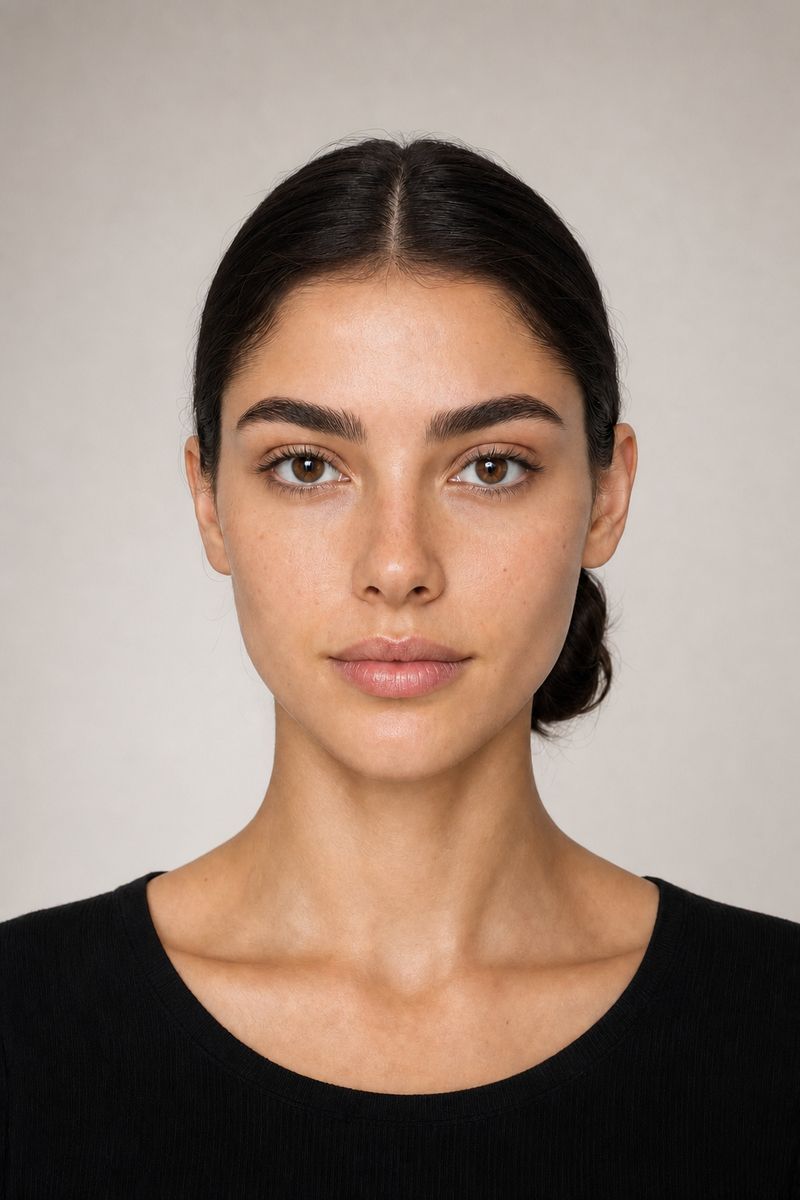
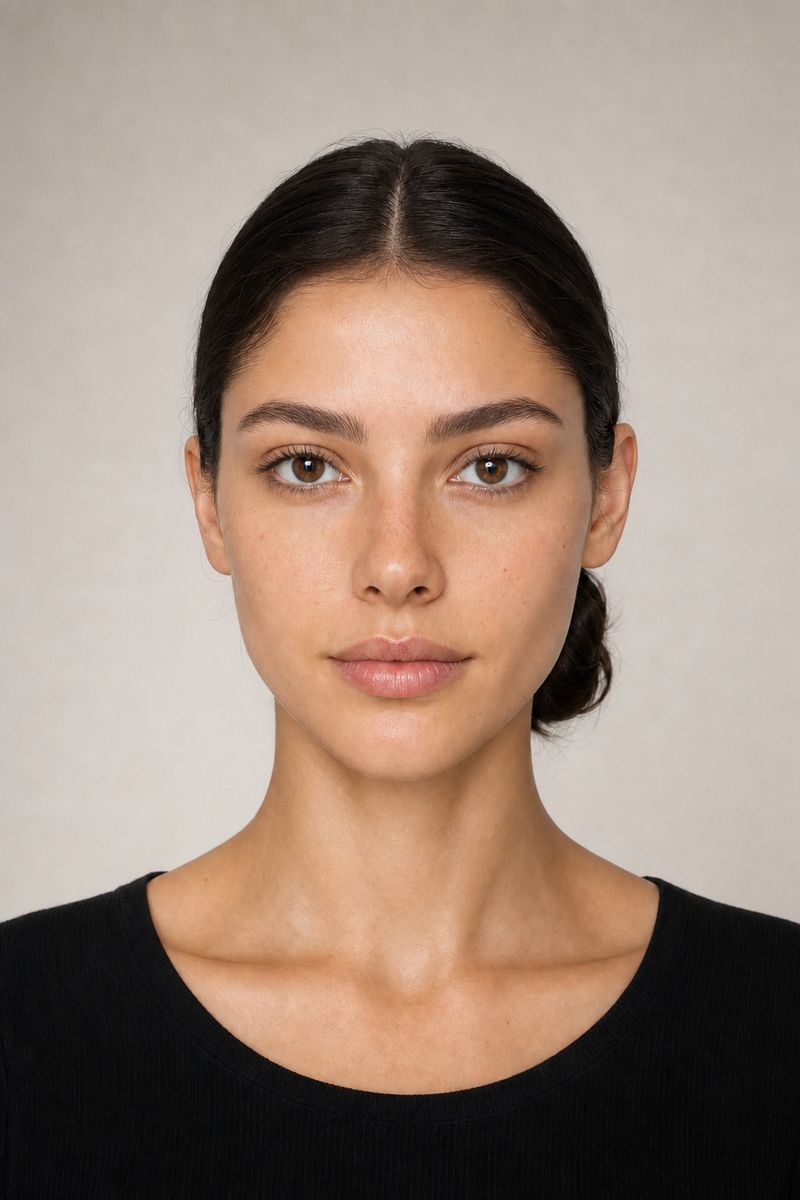
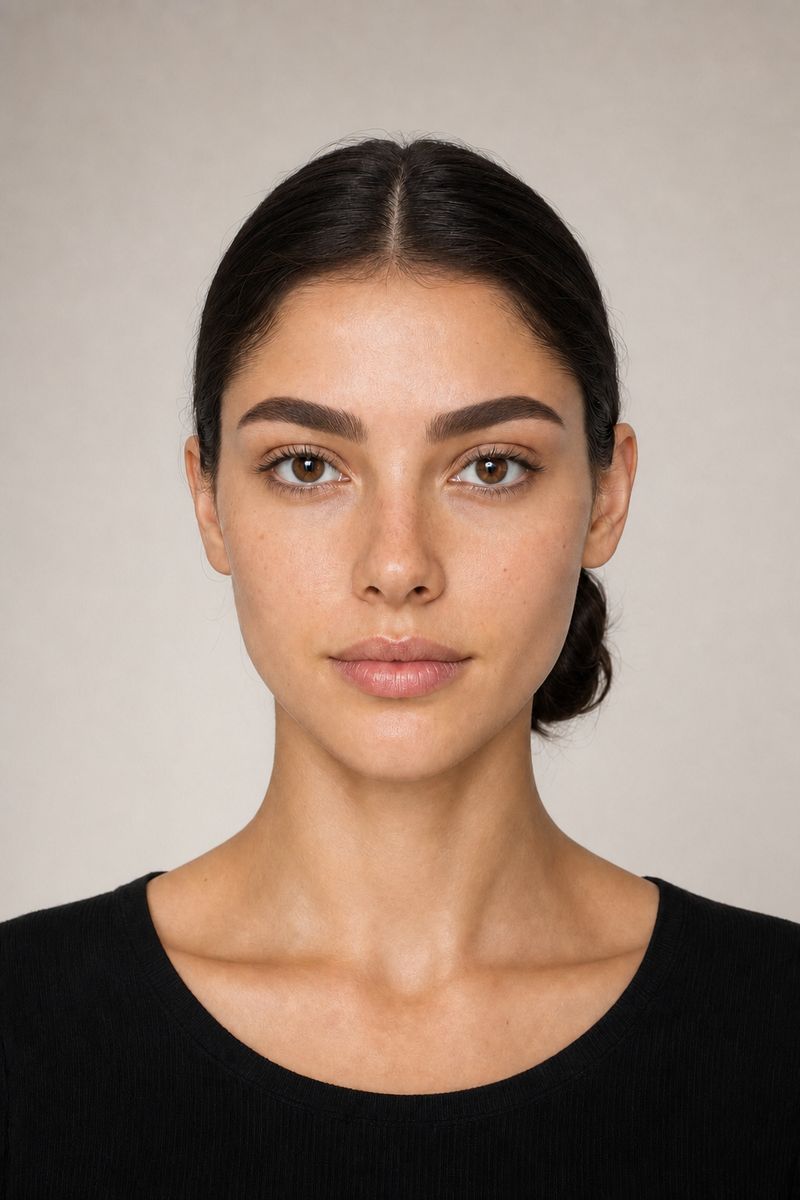
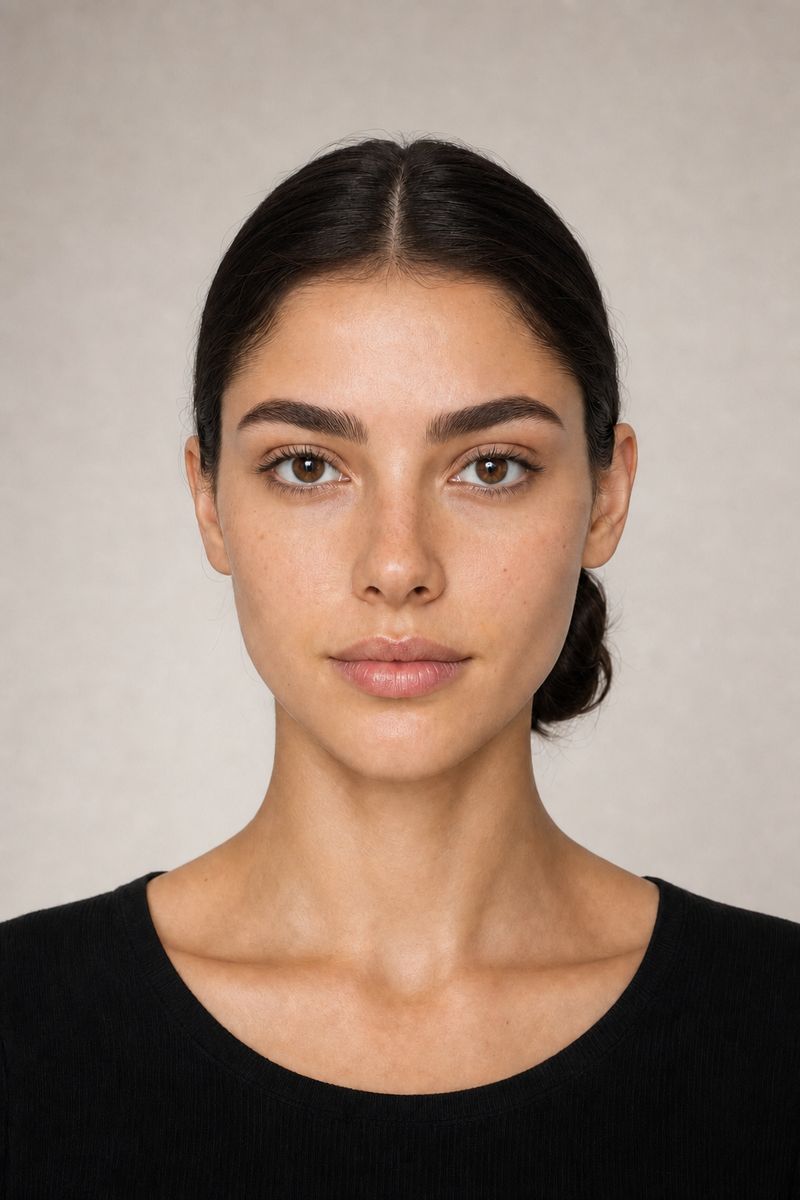
| Technique | How it is done | How it looks | Best for |
|---|---|---|---|
| Microblading | A manual tool with tiny needles draws strokes | Like individual hairs | Dry to normal skin with some natural hair |
| Nano brows | A machine with a very fine needle | Even finer, more precise strokes | The most natural look; less pain and bleeding |
| Powder brows, ombre brows, microshading | A machine places tiny dots | Like a brow filled in with powder | Oily skin and anyone who likes a made-up finish |
| Combo brows | Strokes and shading together | A natural start and a more defined tail | Sparse brows with gaps |
Nano brows vs microblading
Both draw hair strokes. Nano brows use a smaller needle, which allows more precise, natural-looking strokes and usually means less pain and bleeding. Sources put microblading at around a year to two and a half years and nano brows at one to three years. Ombre brows are powder brows with a stronger gradient: a very light start and a dark tail. Salon names vary, so always ask to see healed work, not just the name of a technique.
How the appointment goes
- Consultation. Shape, colour, health and expectations are discussed.
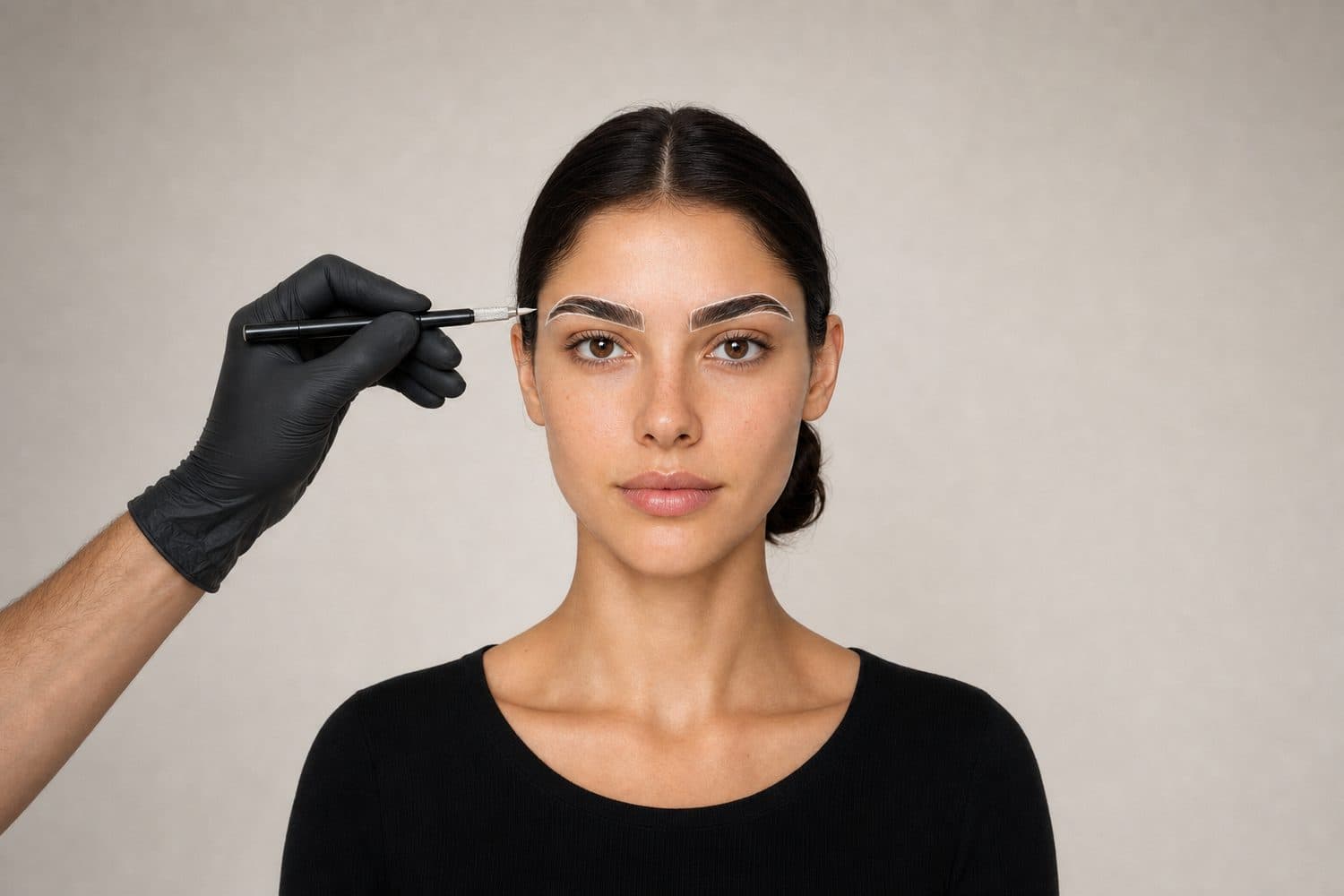
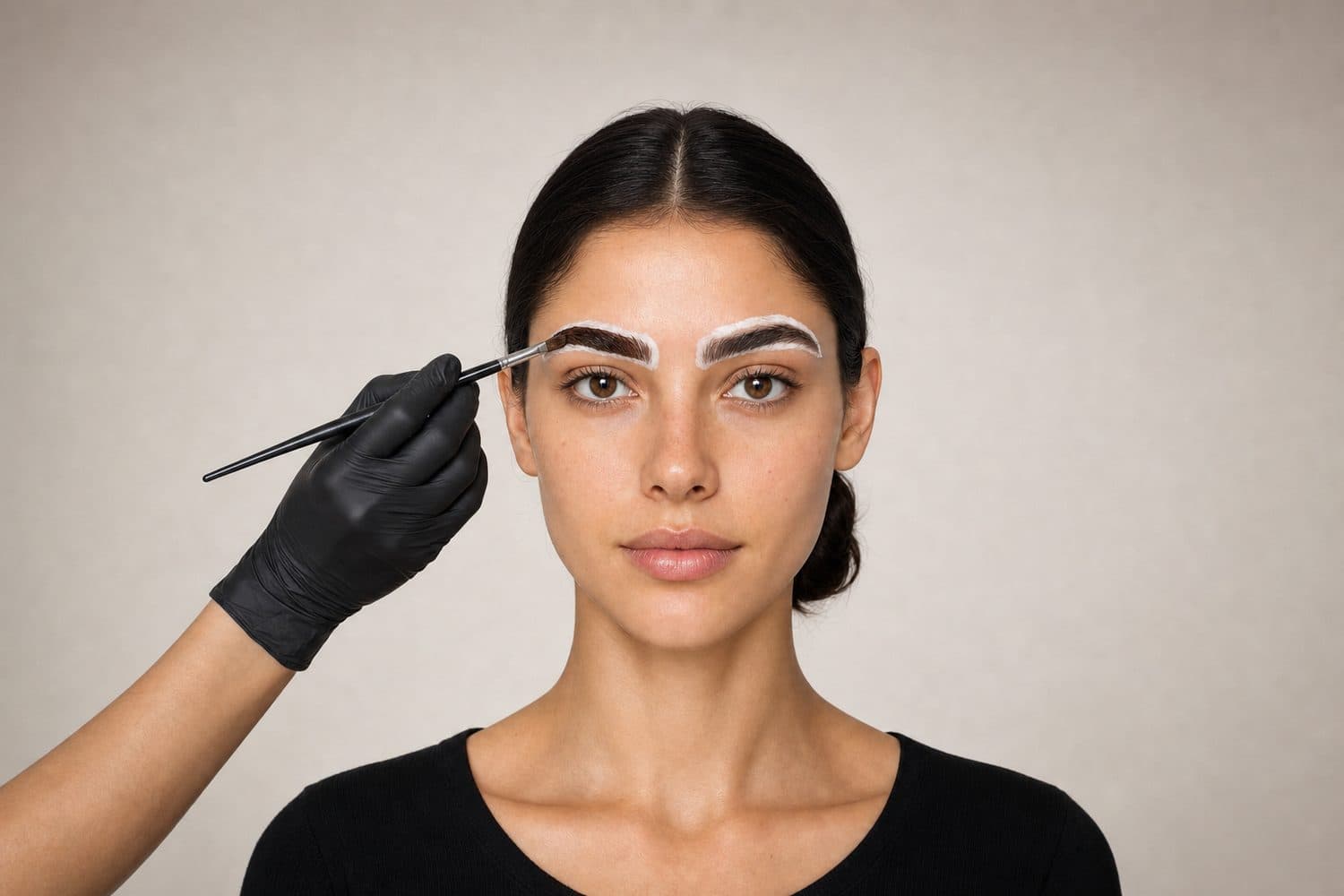
- Mapping. The artist draws the shape in pencil to fit your proportions. Do not agree to start until you like the outline: it is the last moment to change anything.
- Numbing. A numbing cream is applied.
- Pigmenting. One to two hours.
- Touch-up. After 4–8 weeks, areas where pigment did not take are filled. This is part of the procedure, not a repair.
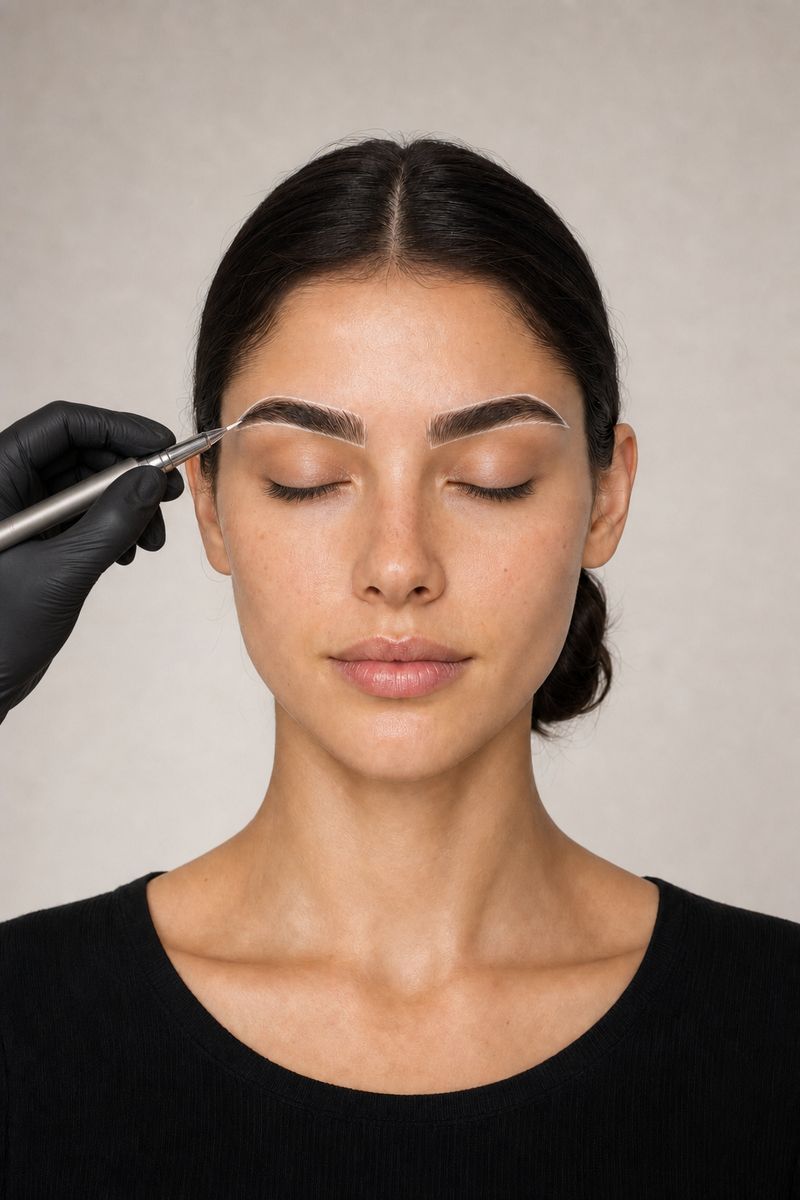
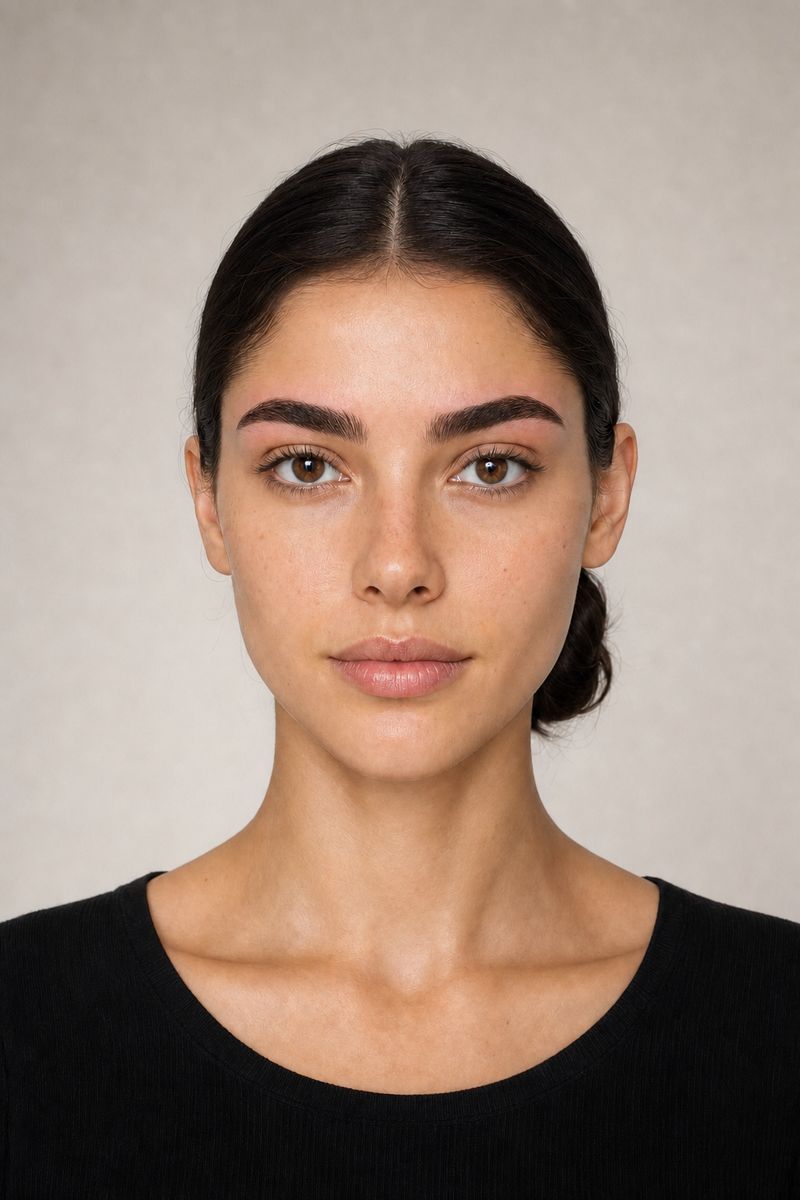
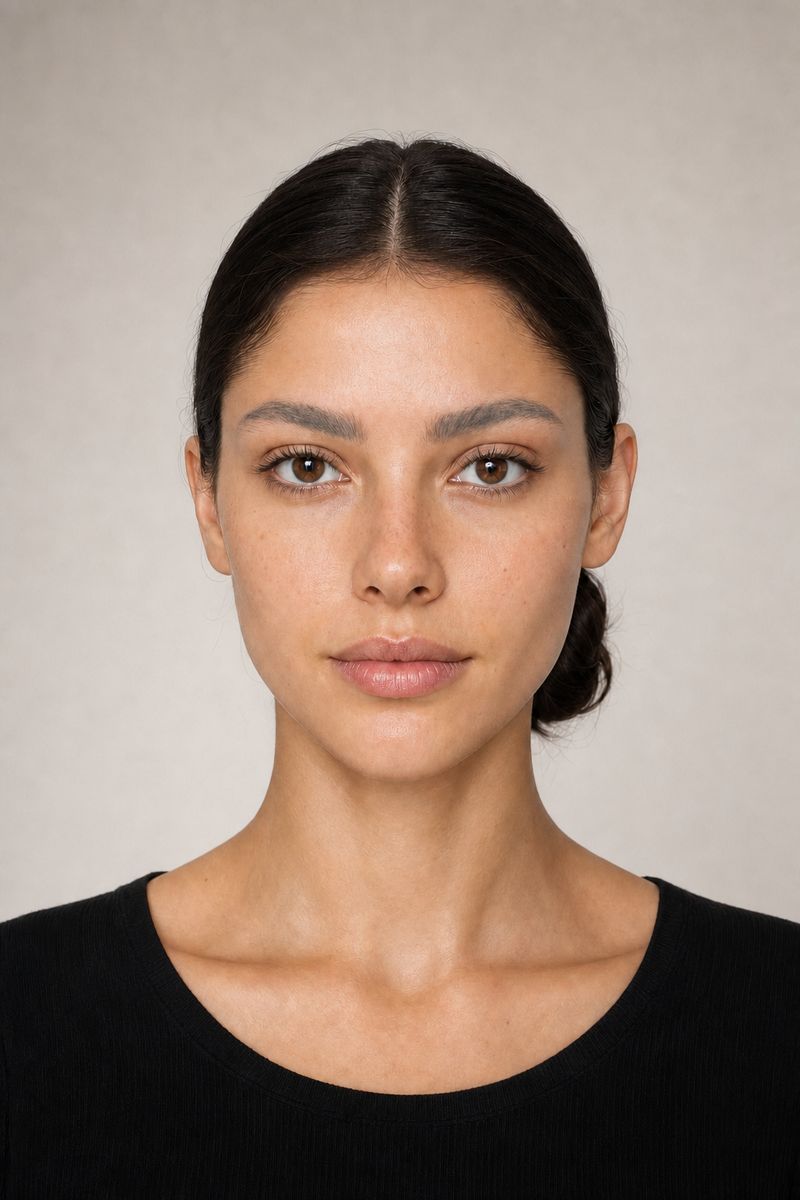
The microblading healing process
| Time | How it looks | What to do |
|---|---|---|
| Days 1–2 | Brows much darker and sharper; skin red and tender | Do not touch, wet or work out |
| Days 3–7 | Thin scabs form, skin flakes and may itch | Do not pick: pigment comes away with the scab |
| Days 7–14 | Scabs fall off; colour looks too light and patchy | Be patient: colour returns |
| Up to 4 weeks | Colour gradually comes back and settles | Judge the result and plan the touch-up |
Panic usually strikes twice: on day one, when the brows look too dark, and in week two, when the pigment seems to have vanished. Both stages are normal.
Aftercare
- For the first 48 hours do not touch or wet the brows, and skip heavy workouts.
- After that cleanse with water only and pat dry; keep cleansers off the brows for about a week.
- No swimming, saunas or steam rooms for two weeks.
- Do not pick or scratch the scabs.
- No threading or waxing of the brows for about six weeks.
- Protect them from the sun: ultraviolet light fades pigment.
Your artist's own instructions come first: aftercare depends on the technique and the products used.
How long does microblading last
Sources differ: microblading generally lasts from about a year to two and a half years, nano brows from one to three years. To keep the shape, a touch-up is needed about once a year. Skin type matters most: oily and combination skin hold pigment for less time and strokes blur sooner. Sun, exfoliants, acids and facial laser treatments also fade it.
Risks and who should think twice
- Single-use needles are opened in front of you.
- The artist shows healed work.
- The outline is drawn and you like it.
- You know the pigment's name and maker.
- The price and timing of the touch-up are clear.
- Infection if tools are not sterile.
- Allergic reaction to pigment or numbing cream.
- Scarring and raised nodules.
- Pigment spreading, colour change, asymmetry.
- Complications during an MRI scan.
If you are pregnant or breastfeeding, have a skin condition, scar easily, have diabetes or take blood thinners, talk to your doctor first. This guide does not replace medical advice.
Microblading removal: if you do not like the result
Cleveland Clinic is frank: removing pigment can be a long, painful, expensive process of several procedures, and not all the ink may come out. Lasers, which break up and fade the pigment over several sessions, are the usual route. So:
- the first time, choose a lighter colour and a narrower shape: going darker and wider at the touch-up is easy, the reverse is not;
- do not rush to correct anything until the full healing month has passed;
- do not have old work covered with new by the first artist you find: layer on layer fades even more unevenly.
Choosing an artist: what to ask
- How long have you been working, and where did you train?
- Can you show the same clients straight after the procedure and healed?
- Which pigments do you use?
- How do you keep everything sterile?
- What does the price include: is the touch-up separate?
- What do you do if the result does not suit the client?
In the US, microblading costs roughly $250 to $1,000. A price far below the local norm is a warning sign: savings usually come out of pigments and sterility.
For models: why agencies advise against it
For a model the face is a working tool, and clients want a face a make-up artist can turn into anything, from bushy brows to "invisible" ones. Permanent brows limit that freedom for years, so we do not recommend them to a new model. If you already have them, go to a casting without extra brow make-up and tell your agency. To find your shape with no lasting consequences, see eyebrow shapes.
Frequently asked questions
How long does microblading last?
From about a year to a few years, depending on technique, skin type and aftercare. A touch-up about once a year keeps the shape.
What is the difference between microblading and powder brows?
Microblading draws separate strokes that imitate hairs. Powder brows are an even shading, like a brow filled in with powder, and tend to hold better on oily skin.
What are nano brows?
Hair strokes made by machine with a very fine needle. They are more precise than microblading and usually cause less pain and bleeding.
How long is the microblading healing process?
Skin heals in 10–14 days and the final colour settles over about four weeks. Brows are darker in the first days and look too light in the second week.
Does microblading hurt?
A numbing cream is used, so most people feel scratching or stinging rather than pain.
Can microblading be removed?
Yes, usually by laser, but it is a long, painful and expensive process of several sessions, and not all the pigment may come out.
What are ombre brows?
A version of powder brows with a stronger gradient: a very light start and a darker tail.
Sources
- Cleveland Clinic, Micropigmentation (Permanent Makeup): How it's Done, Risks.
- Healthline, How Long Does Microblading Last?.
- Healthline, Nanoblading vs. Microblading: Plus Procedure, Aftercare, Cost.
- American Academy of Ophthalmology, Know the Risks of Eyebrow and Eyelash Enhancement.


Comments (0)
No comments yet. Be the first!
Only logged-in users can comment. Register — and you'll be able to share your thoughts on this article.
Register