

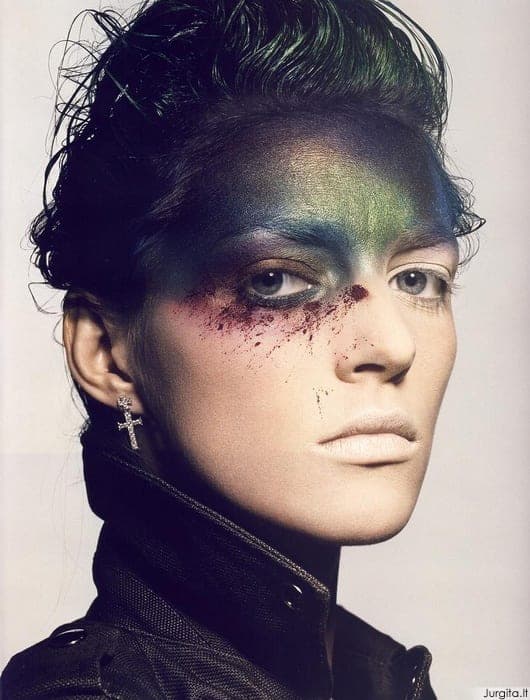
In short
- Permanent makeup places pigment in the upper layers of the skin. Brows, lips and the lash line are the usual areas.
- Results last one to three years on average, sometimes far longer, and fade unevenly. It is a decision for years, not for a season.
- The surface heals in 7 to 14 days and the final colour shows after four to six weeks. A touch-up follows.
- Choose an artist who works in a licensed or registered studio, with single-use needles and pigments that meet local rules.
Anyone who cares about how they look has had mornings when getting up earlier just to do the bare minimum of make-up felt like too much. That is when the wish appears: a way to look good with no time spent. Permanent makeup grants it, in part.
Ten years ago it was a novelty. Today brow tattooing is one of the most popular beauty procedures, with many techniques and many artists, so the question is no longer whether it exists but how not to get it wrong. It is a serious procedure, and worth weighing up properly.
What permanent makeup is
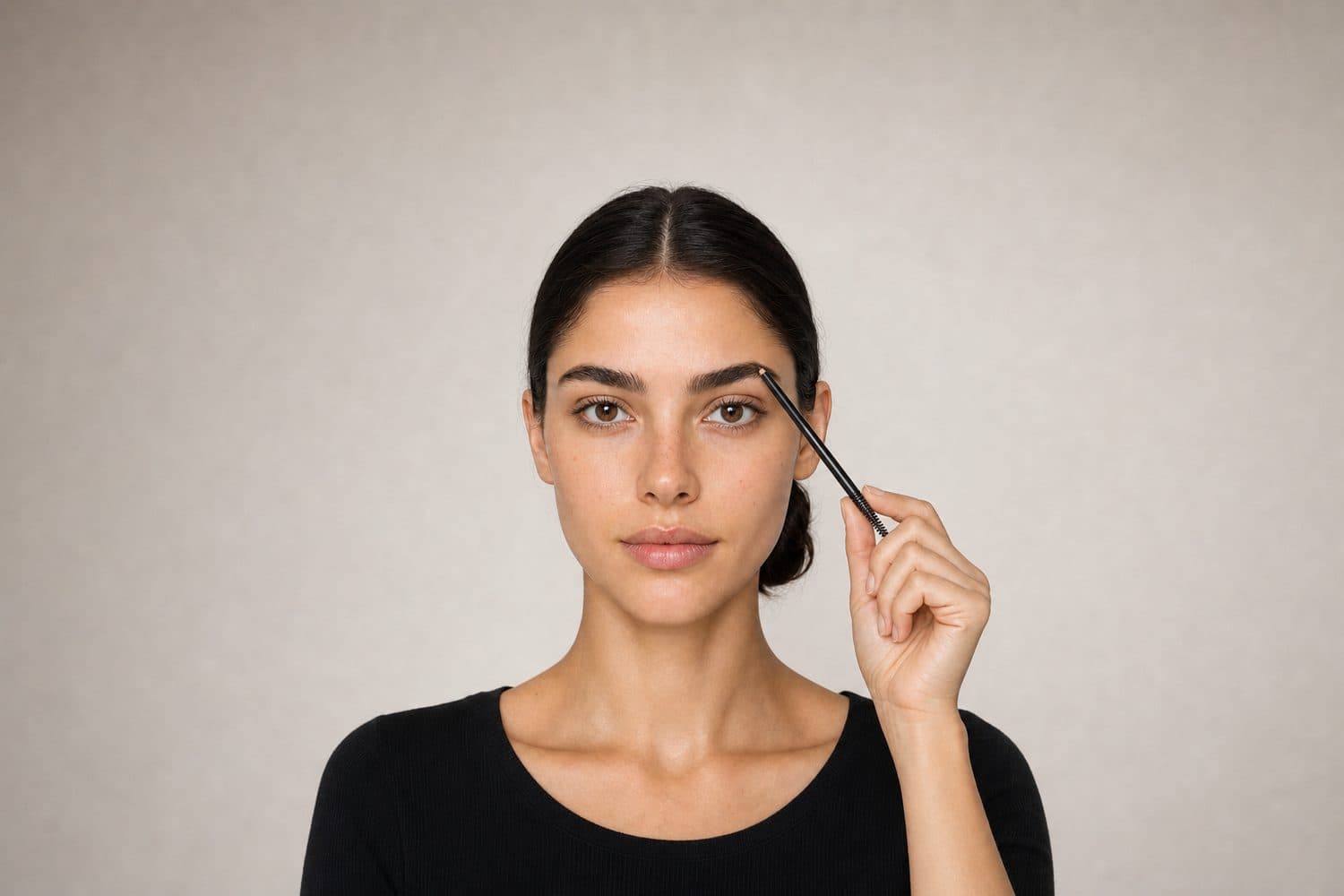
Permanent makeup is micropigmentation: fine needles place pigment in the skin. It is close to tattooing but less lasting, because the pigment sits in the upper layers rather than the deeper ones. With a numbing cream it is not very painful. Depending on the area, it takes from half an hour to two and a half hours.
 Image consultationMake-up that suits your coloursIn the consultation we pick shades for your colour type and a five-minute everyday make-up.About the consultationfrom €79
Techniques: brows, lips, eyes
| Area | Technique | Look | Suits |
|---|---|---|---|
| Brows | Microblading (hair strokes) | Fine strokes that mimic hairs | Dry and normal skin; strokes blur quickly on oily skin |
| Brows | Powder or ombré brows | A soft, shaded brow, like brow powder | All skin types, oily skin included |
| Brows | Combination | Strokes at the front, shading at the tail | Sparse, uneven brows |
| Lips | Lip blush | An even, sheer tint with no hard outline | Pale lips, a faint lip line |
| Eyes | Lash-line enhancement | The impression of fuller lashes | Fair, sparse lashes |
The more natural the technique, the longer it will look good: fashion changes faster than pigment fades.
How long it lasts and what it costs
Older, deeper techniques could last five years or more. Today's softer ones fade sooner: microblading usually in one to two years, powder brows in two to three. Oily skin, frequent sun and the use of acids or retinoids fade pigment faster. Some people keep visible traces for many years, so treat the procedure as a long-term decision.
Prices vary widely by country and city. Whatever the local range, budget for the touch-up four to eight weeks later and for refreshers every year or two. A very low price should raise questions: pigments, single-use needles and a sterile setup cost money, and correcting bad work costs more than doing it.
The procedure and healing
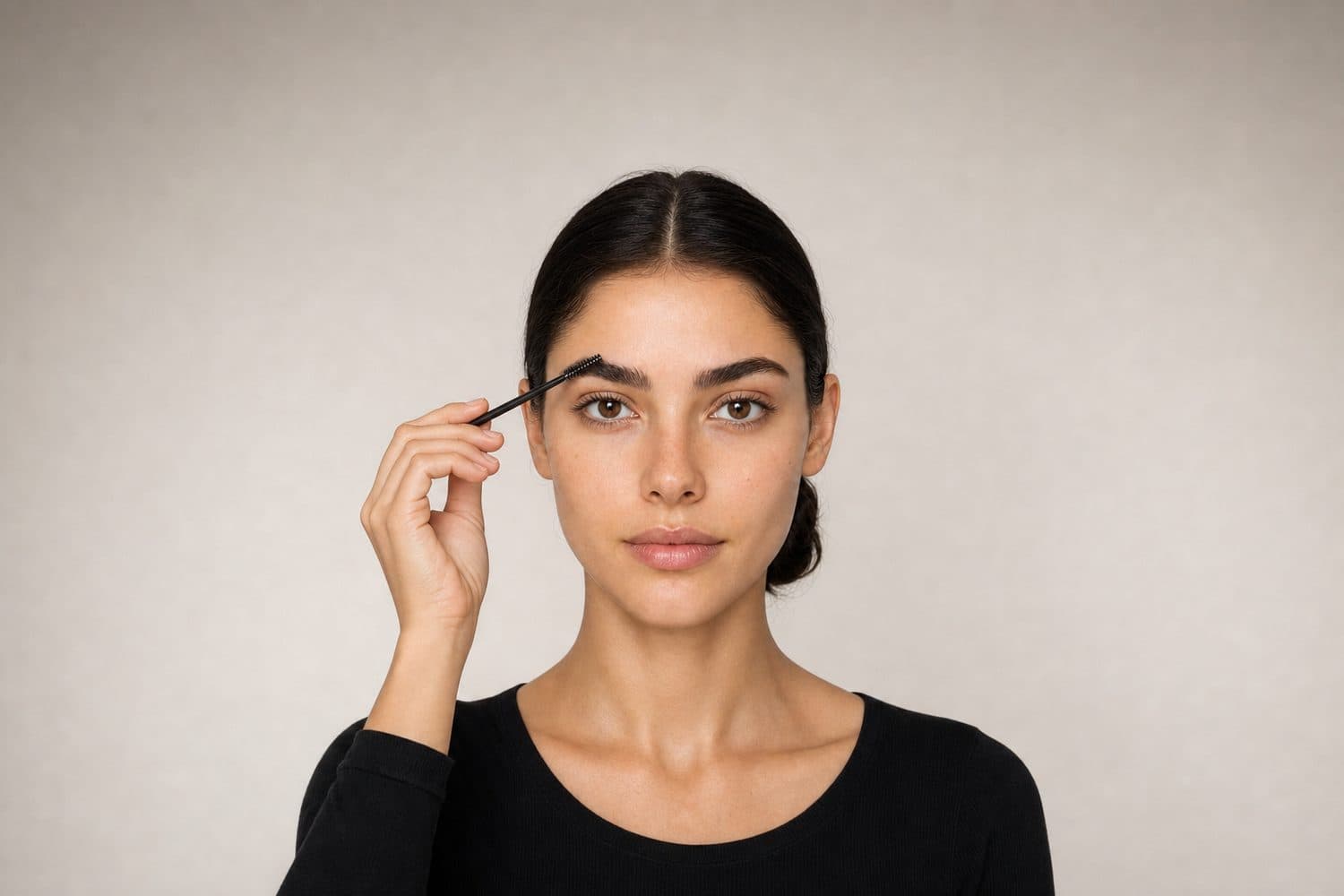
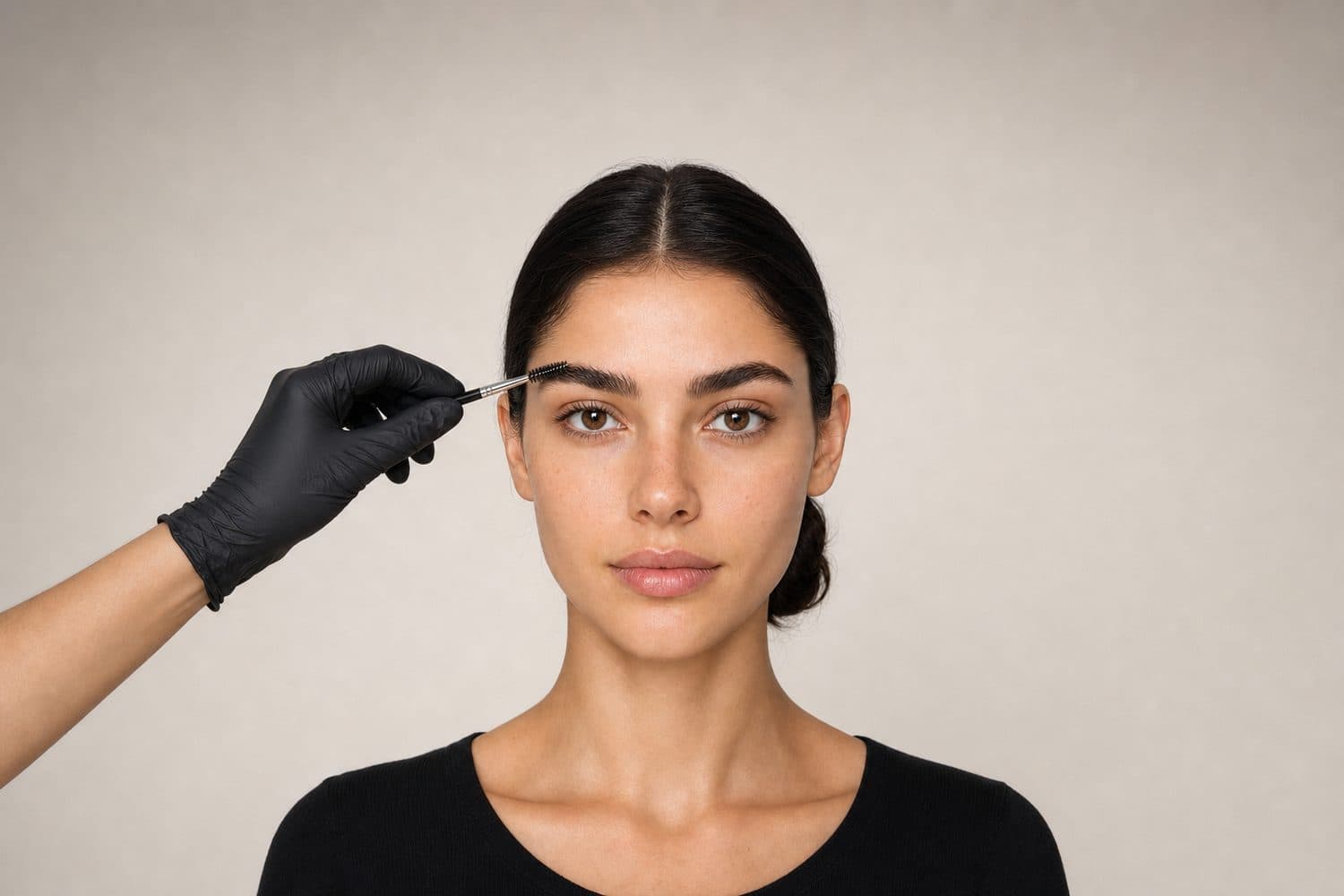
- Consultation and sketch. The artist draws the shape in pencil and chooses the colour with you. Do not start until you like the sketch.
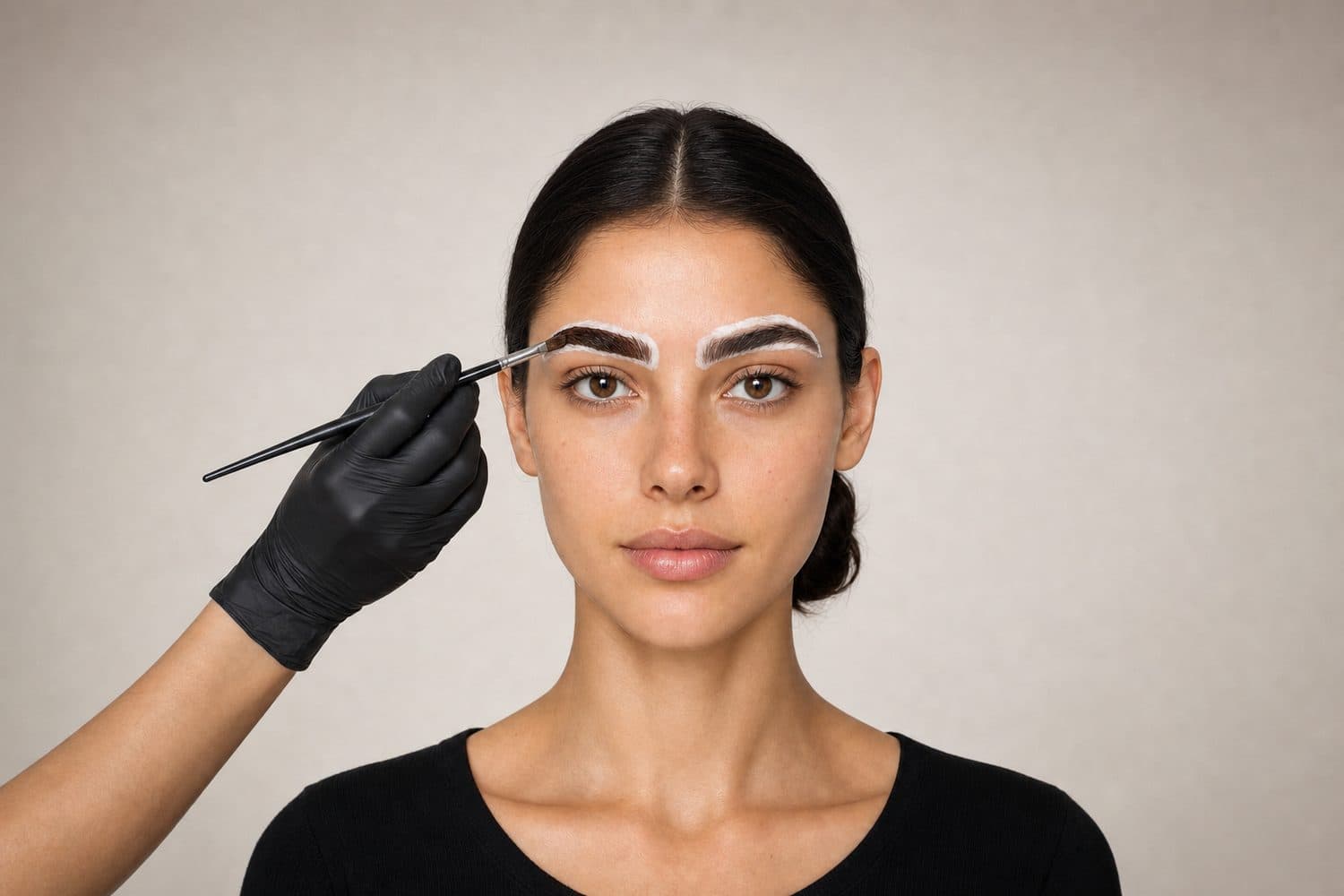
- Numbing and pigmenting.
- The first days. The area is swollen and tender, and the colour is much stronger than it will end up.
- Days 3–10. A thin crust forms and flakes. Do not pick: you pull pigment out with it.
- Weeks 2–4. The colour looks faded, sometimes patchy. That is normal; pigment "returns" as the skin renews.
- After 4–8 weeks. The touch-up fills gaps and adjusts the colour.
Lips heal faster but swell and dry more in the first days, so keep them covered with the balm your artist recommends.
What not to do after permanent makeup
- No long soaking in the first week: no pool, sauna or sea.
- Do not pick or rub the crust.
- No sunbathing or sunbeds for two weeks; afterwards use sunscreen so the pigment does not fade.
- No make-up on the area until it has healed.
- No scrubs, acids or retinoids on the pigmented area.
- Skip hard workouts for a few days: sweat pushes pigment out.
Who should not have it
The procedure is postponed or refused during pregnancy and breastfeeding, with active skin disease in the area, a tendency to keloid scars, uncontrolled diabetes, clotting disorders or blood-thinning medication. After isotretinoin you need to wait several months. If you get cold sores, talk to a doctor about prevention before lip blush, because the procedure often triggers them. When in doubt, ask your doctor first, not the artist.
Advantages
The main advantage is constancy: looking put together with no effort. It suits people who want to cover a scar in the brow or strengthen naturally sparse brows, those allergic to many make-up products, swimmers and athletes, and anyone with poor eyesight or unsteady hands.
Drawbacks and risks
Permanent makeup fades and needs refreshing, but sometimes it does not disappear for many years and has to be removed by laser or saline solutions, like a tattoo. Removal takes several sessions, costs more than the procedure and does not always work completely.
It is also inflexible. Dark, wide brows were in fashion ten years ago; lighter, brushed-up ones followed. What was done earlier stays. Pigment can shift in tone too, with brows turning reddish or grey.
The most serious problems are allergic reactions and skin infections, more likely when the procedure is done at someone's home than in a supervised studio. Rarely, small lumps form in the pigmented area, and during an MRI scan the area may briefly swell or burn, so tell the radiographer. In the US, the FDA notes that it has not approved any pigments for injection into the skin. In the EU, tattoo and permanent makeup inks have been subject to strict chemical limits since January 2022.
How to choose an artist
- A licence or registration as your country or local authority requires for tattooing and semi-permanent makeup. Ask to see it.
- Single-use needles, opened in front of you.
- Pigments. Ask which ones are used and look at the label.
- Healed results. Fresh work always looks good. What counts is how it looks after a month and after a year.
- A sketch and time to decide. A good artist does not rush you and refuses what will not suit you.
- Written aftercare and clear touch-up terms.
Permanent makeup and modeling
A model's face is a canvas that a make-up artist repaints for every job. Strong pigmented brows or a lip outline narrow that canvas: they cannot be wiped off for a shoot that needs pale or bleached brows. So we advise new models not to have permanent makeup, or to ask their agency first. The natural look castings expect is something we cover in model training and in how to prepare for a model casting.
If you are unsure which brow shape and shade suit you, settle that before you see an artist: in an image consultation the shape follows the proportions of your face and the shade follows your colour type. For skin care around the procedure, see how to choose a sunscreen.
Frequently asked questions
Does permanent makeup hurt?
A numbing cream is used, so most people feel scratching or tingling. Lips and eyelids are the most sensitive.
How long do brows take to heal?
The crust falls away in 7 to 14 days and the final colour settles in four to six weeks. Then comes the touch-up.
How long does permanent makeup last?
One to three years on average, depending on the technique, skin type and aftercare. Some people keep traces much longer.
What is the difference between microblading and powder brows?
Microblading draws fine hair strokes with a hand tool and suits dry to normal skin. Powder brows are shaded with a machine, look like brow powder and hold better on oily skin.
Can you have permanent makeup while pregnant?
No. It is not done during pregnancy or breastfeeding.
Can permanent makeup be removed?
It can be lightened by laser or saline removal, but that takes several sessions, costs more than the procedure and does not always clear the pigment fully.
Sources
- U.S. Food and Drug Administration, Tattoos and permanent makeup: fact sheet.
- European Chemicals Agency (ECHA): restriction on substances in tattoo inks and permanent make-up under REACH, in force since 4 January 2022.
This story is for information and does not replace a doctor's advice.

Comments (0)
No comments yet. Be the first!
Only logged-in users can comment. Register — and you'll be able to share your thoughts on this article.
Register