

In short
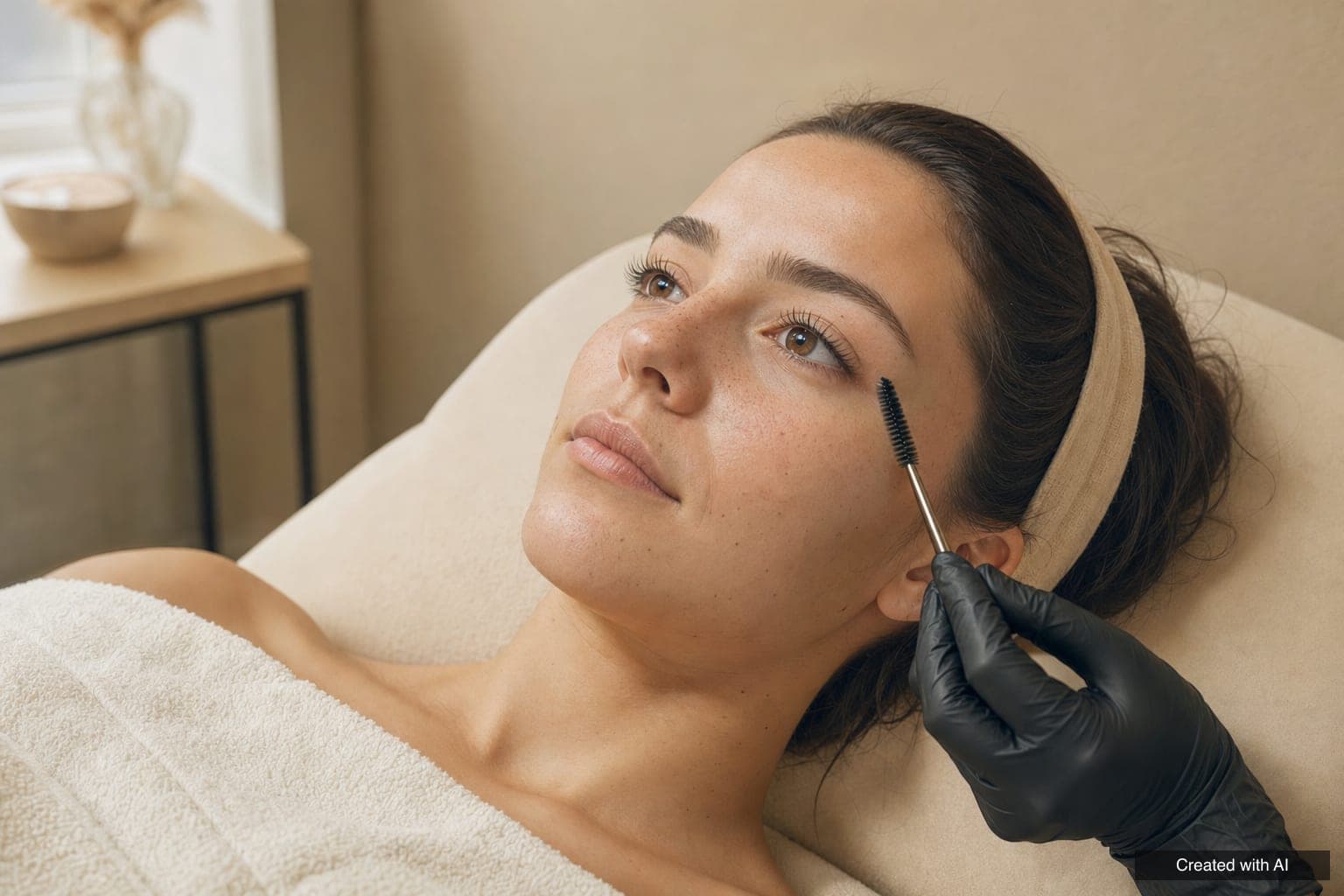
- A lash lift (also called lash lamination) is a chemical treatment: your own lashes are lifted from the root, curled and often tinted. Nothing is glued on.
- The appointment takes about 1–1.5 hours and the result lasts 6–8 weeks, until new lashes grow in.
- Keep lashes dry and do not rub them for the first 24 hours. If your skin is sensitive or you have reacted to dyes or glues before, ask for a patch test first.
- Extensions are a different treatment: a synthetic lash is glued to each natural one. The effect is bolder, but you need infills every 2–3 weeks and the glue causes allergies more often.
In a few years the lash lift has become one of the most booked eye treatments. It suits anyone whose lashes grow straight out or point down: afterwards they look longer and open up the eye the way a curler does, only for weeks rather than hours. It is also a chemical treatment right next to the eye, so it pays to know how it works, who should skip it and how to look after your lashes afterwards.
Many people are choosing between a lift and extensions, so this guide puts the two side by side: how long each lasts, what each costs over a few months, the risks and who each suits better. If you are also thinking about your brows, the same idea is covered in our guide to brow lamination.
What is a lash lift
A lash lift, sometimes called a lash perm or lash lamination, works on the same principle as a perm for the hair on your head. The first lotion breaks bonds inside each hair so the lash becomes pliable and takes the shape of a silicone shield. The second lotion rebuilds those bonds in the new, curled position.
Lifting lotions are usually based on thioglycolic acid and its salts (some use cysteamine), and setting lotions on hydrogen peroxide or a similar oxidiser. The EU Cosmetics Regulation allows thioglycolic acid in eyelash waving products at up to 11% and for professional use only, which makes this a salon treatment rather than a bathroom one.
It helps to know what a lift does not do: you do not get more lashes and they do not grow longer. They are lifted from the root, so you see their full length, which was hidden while they pointed forward or down. If you want more density than nature gave you, that is what extensions are for.
How a lash lift works, step by step
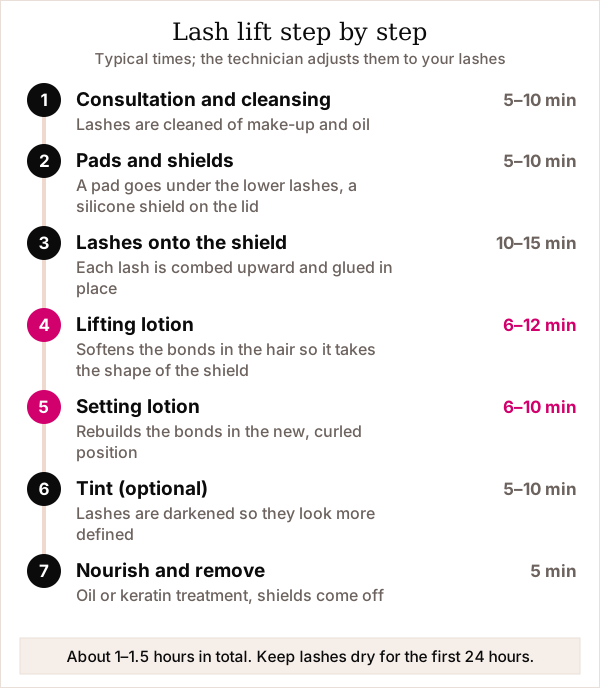
You lie down with your eyes closed for the whole treatment. It is not painful, though you may notice a smell or a little warmth. If your eye starts to sting or water, say so straight away: the technician will wipe the product off and check that none has got under the lid.
- Consultation and cleansing. The technician asks about allergies, eye conditions and contact lenses, and cleans make-up and oil off the lashes.
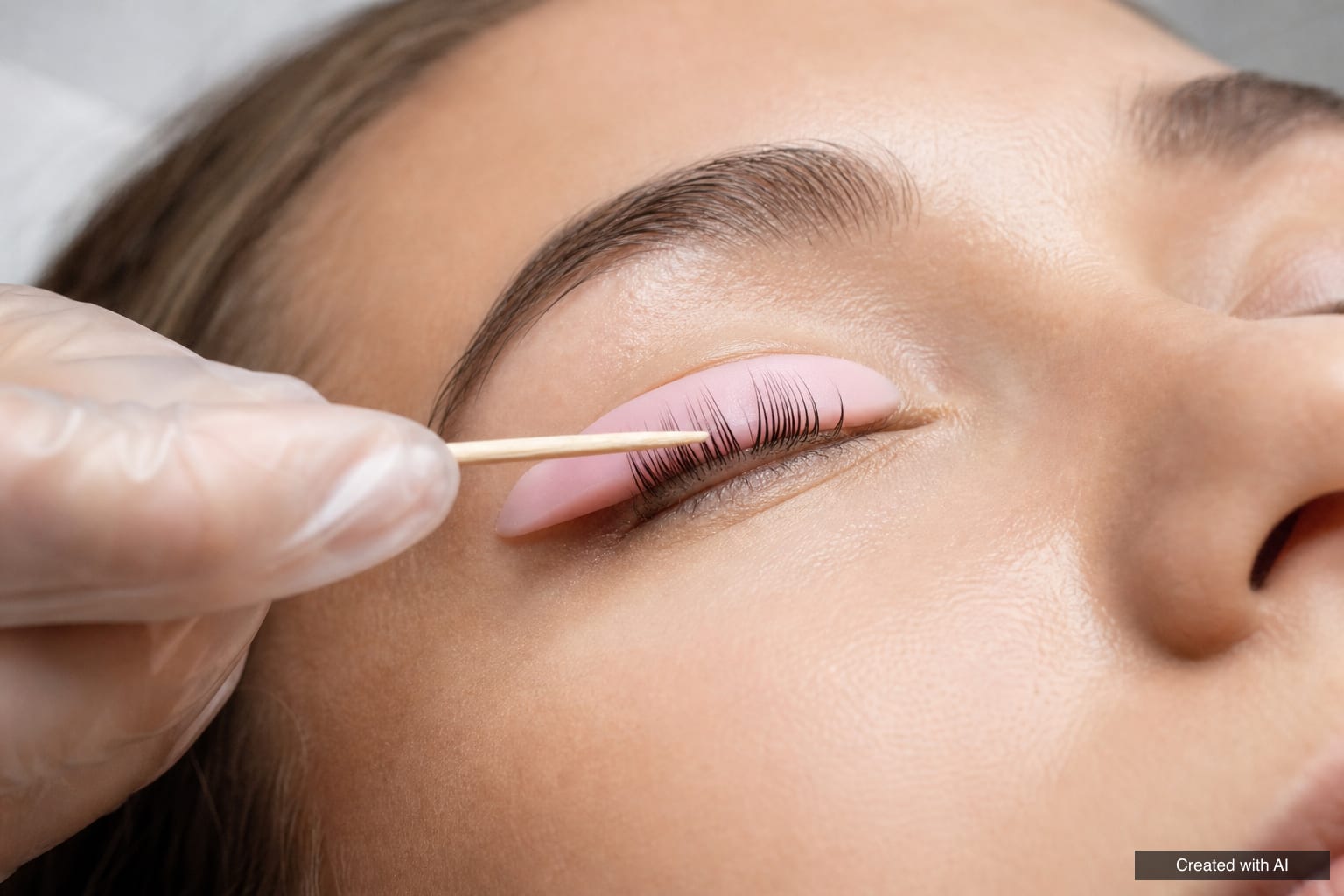
- Pads and shields. A pad goes under the lower lashes and a silicone shield on the upper lid. Its size is matched to lash length: a smaller shield gives a tighter curl.
- Laying the lashes. Each lash is combed upward and glued to the shield.
- Lifting lotion. Applied at the roots and left for 6–12 minutes: less for fine, fair lashes, more for thick, dark ones.
- Setting lotion. It fixes the new shape and usually stays on for about as long as the lifting lotion.
- Tint (optional). It goes on after the curl, because darker lashes look more defined.
- Nourish and remove. An oil or keratin treatment goes on and the shields are gently lifted off.
Lash lift before and after
The biggest change shows on lashes that grow straight forward or slightly downward. From the front they look shorter than they are, and mascara weighs them down further. After a lift they rise from the root, the eyelid looks more open, and with a tint they look as if you are wearing a light coat of mascara.
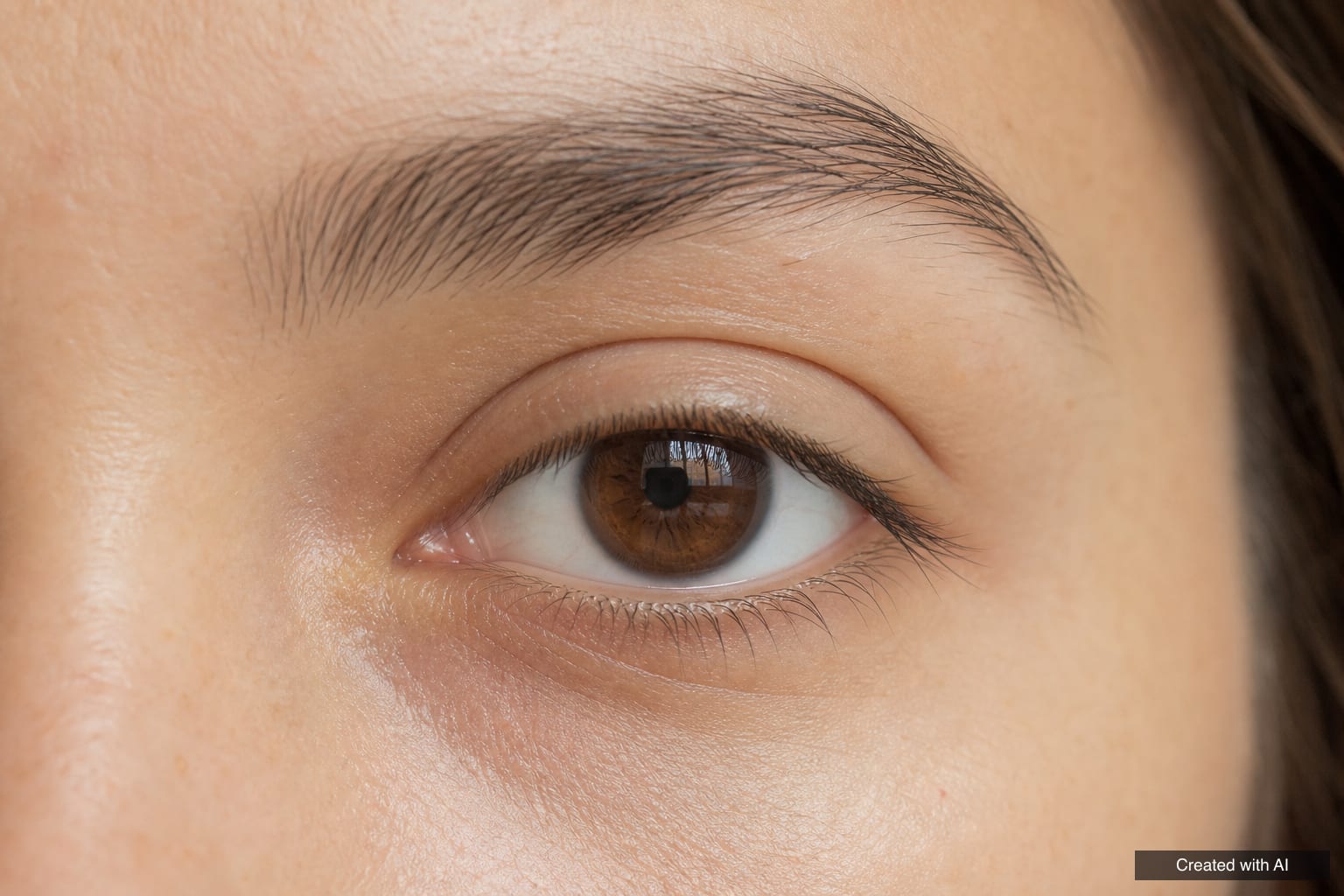
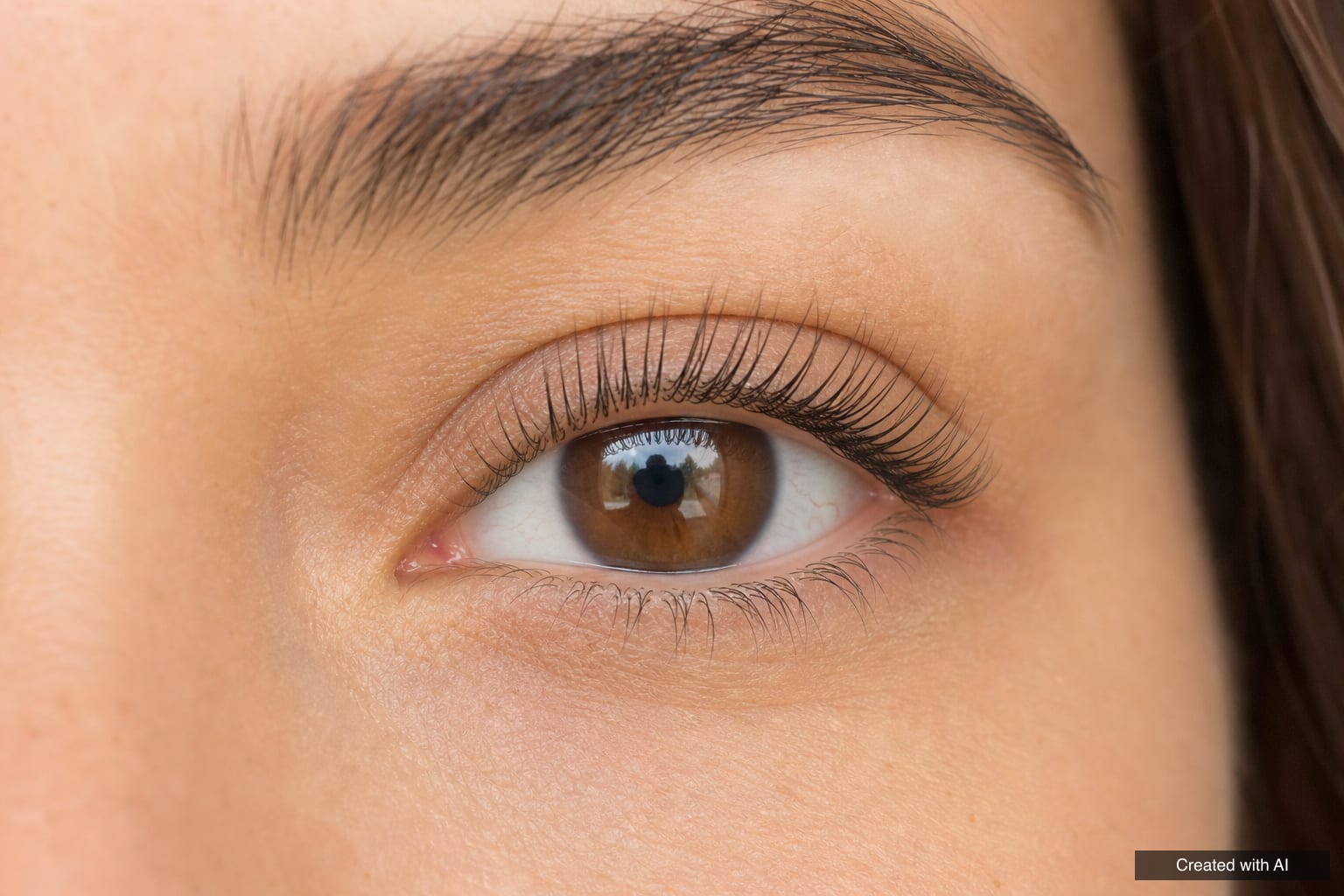
What a lift will not fix: very short or sparse lashes, because there is little to lift. In that case extensions, or good everyday care, will do more.
How long does a lash lift last
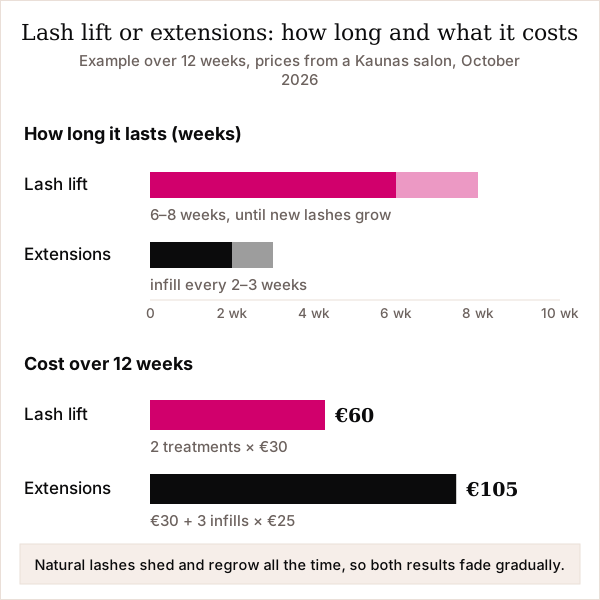
Usually 6–8 weeks. The lifted lash does not drop back into its old shape; instead your lashes keep renewing. Each one lives for a few months, then falls out and a new, straight lash grows in its place. So a lift does not vanish overnight, it fades as fewer and fewer lifted lashes remain.
Aftercare matters too: frequent oil cleansers, saunas, swimming pools and sleeping face down all shorten the result. Leave at least 6–8 weeks between lifts: lashes that are processed more often dry out and start to break.
Lash lift aftercare
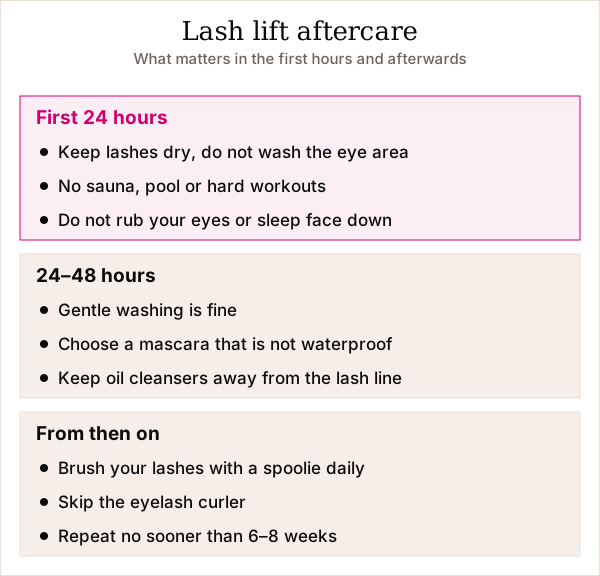
The first 24 hours count most, while the new shape settles. After that, care is simple and you can wear mascara as usual.
- For the first day keep your lashes dry, do not wash the eye area, and skip saunas, pools, hard workouts and steam.
- Do not rub your eyes, and try not to sleep face down the first night.
- After 24–48 hours you can wash your face and wear mascara. Pick one that is not waterproof, so it comes off without hard rubbing.
- Skip the curler: you do not need it, and it can snap lashes that are already a little dry.
- Brush your lashes daily with a clean spoolie so they sit neatly.
Is a lash lift bad for your lashes? Side effects and patch tests
Done properly, a lash lift is safe for most people, but it does carry risks, and eye doctors write about them. The 2023 TFOS (Tear Film and Ocular Surface Society) report notes that short-term problems mostly come from the curling and setting lotions: toxic keratoconjunctivitis (chemical irritation of the eye surface) and contact dermatitis from the adhesive or the solutions. The authors add that such injuries are probably under-reported, because they are not always linked to the treatment.
Symptoms to take seriously
- Strong stinging, burning or watering during or after the treatment.
- Red, swollen or itchy eyelid skin, usually a day or two later.
- A red or painful eye, sensitivity to light or blurred vision.
If product gets into the eye, rinse it at once with plenty of water, and see an eye doctor if there is pain or blurred vision. This is not a cosmetic detail: chemical irritation of the eye surface needs treatment.
Patch testing
If your skin is sensitive, you have eczema, or you have reacted to hair dye, lash glue or a "black henna" tattoo before, ask for a patch test 24–48 hours ahead: a little product is put behind the ear or on the forearm and you watch for redness or itching. For eyelash tints, the EU Cosmetics Regulation states plainly that lashes must not be coloured if the person has a rash on the face or sensitive, irritated skin, has ever reacted to colouring their hair or lashes, or has reacted to a temporary black henna tattoo. The same tints are not intended for anyone under 16.
A patch test is no guarantee: an allergy can develop after several uneventful treatments. But it helps people who already know they are sensitive avoid the worst of it.
Who a lash lift suits, and who should skip it
Good candidates
- Straight or downward-growing lashes that will not hold a curl, even with a curler.
- Anyone who wants a natural result without false lashes.
- People who exercise, swim or wear glasses: lifted lashes do not come unstuck or brush against the lenses.
- Daily curler users who want the time back.
Wait, or ask a doctor first
- Eye or eyelid inflammation (conjunctivitis, blepharitis), a stye, eyelid eczema or psoriasis.
- Recent eye surgery or an eye condition under treatment (dry eye, glaucoma): check with your ophthalmologist first.
- A past reaction to lash tint, lash glue or hair dye.
- Pregnancy: many technicians will not do it, because there is little data and hormones change the result. Decide together with your doctor.
- Very short, sparse or weak, breaking lashes: the result will be modest and the lotions will dry them out further.
Contact lenses have to come out for the treatment.
Lash lift vs extensions
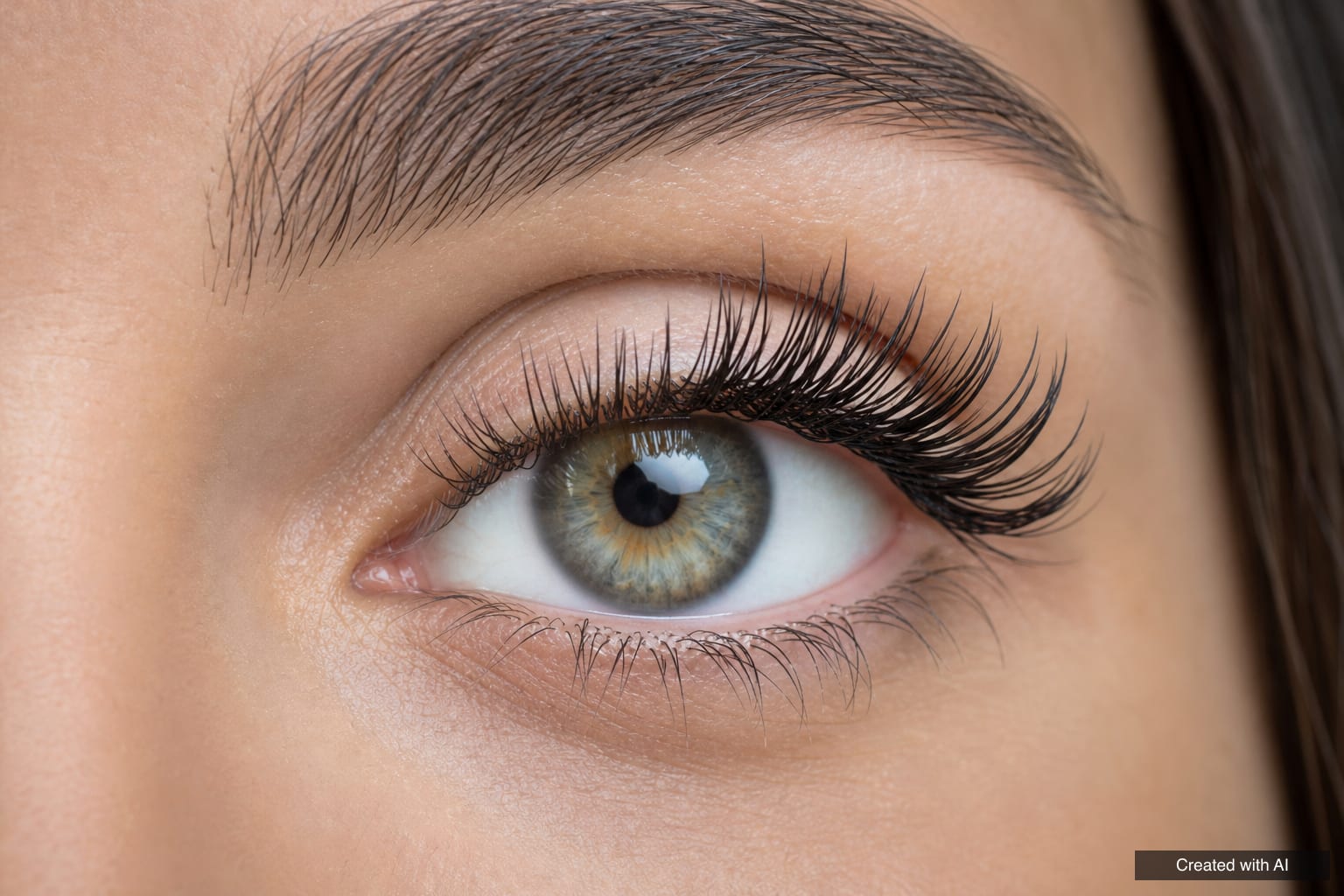
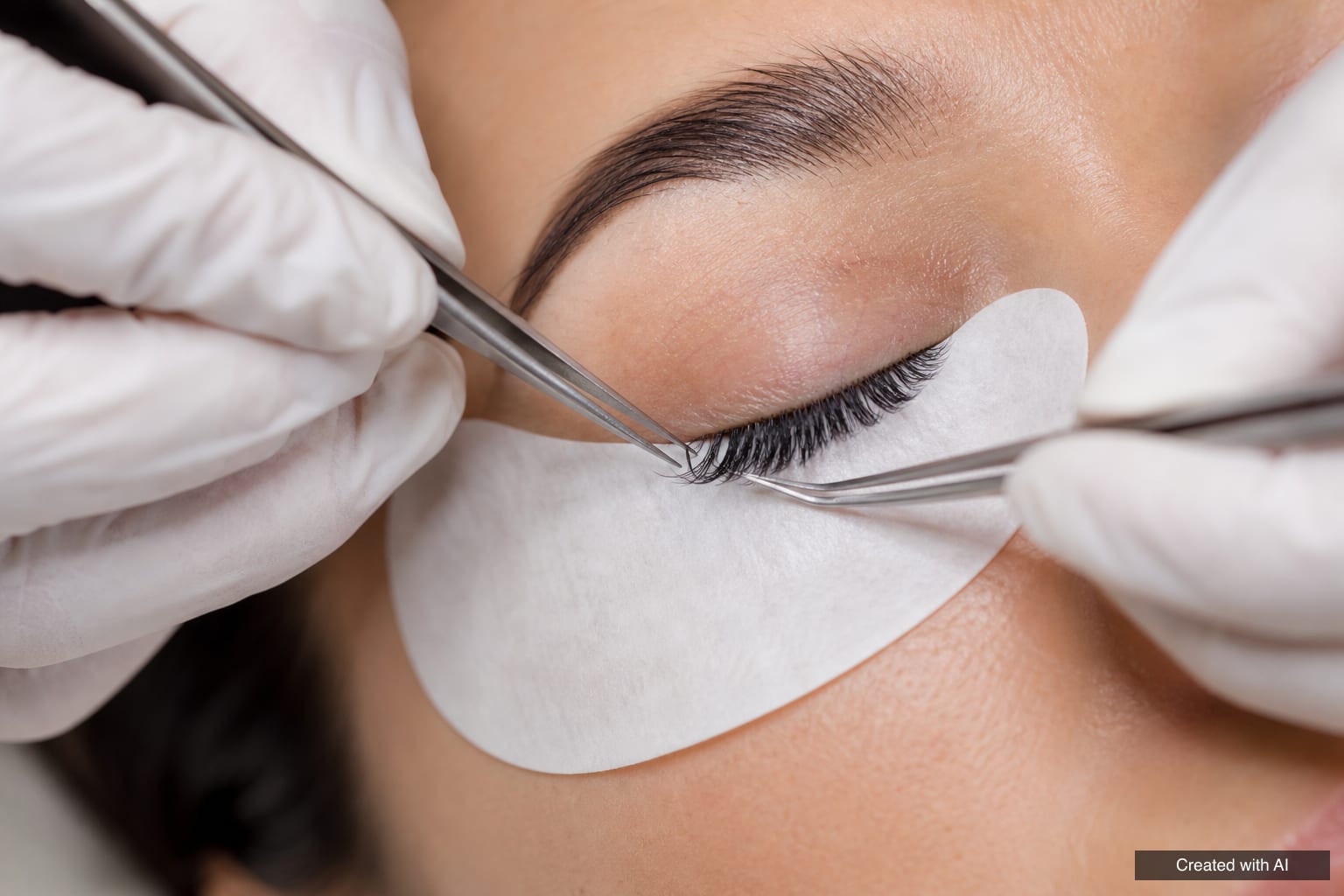
Salons often offer both, sometimes with the same technician, but they are very different. A lift works with the lashes you have; extensions add to them: one synthetic lash is glued to each natural lash (classic extensions), or a small fan of fine lashes is (2D, 3D and other volume techniques). The effect is bolder and fuller, and the upkeep is greater too.
| Lash lift | Extensions | |
|---|---|---|
| What is done | Your own lashes are lifted and curled | Synthetic lashes are glued to natural ones |
| Result | Natural, like a curler | Longer, fuller, more defined lashes |
| How long it lasts | 6–8 weeks | Infill every 2–3 weeks |
| Appointment | About 1–1.5 hours | 1.5–2 hours or longer for volume |
| Mascara | Fine after 24–48 hours | Not recommended |
| Water, sport, sauna | No limits after the first day | Heat and oils weaken the glue |
| Sleeping face down | Fine after the first night | Lashes bend and fall out |
| Main risk | Chemical irritation of the eye | Glue allergy, lash loss from weight and rubbing |
| Best for | Long but straight lashes | Short or sparse lashes, special occasions |
What eye doctors say about extensions
The American Academy of Ophthalmology lists three main risks: injury to or infection of the eyelid or cornea, an allergic reaction to the glue, and temporary or even permanent lash loss when lashes are rubbed or pulled. Lash glues are usually cyanoacrylate-based and may contain formaldehyde-releasing ingredients. In a review of published reports (Masud et al., 2019) the most common complication of extensions was allergic blepharitis, and in a Japanese survey cited by TFOS, 26.8% of women had redness, discomfort, itching or swollen lids after extensions.
That does not make extensions dangerous for everyone. It means the technician's hygiene, the quality of the glue and lashes that are not too heavy for your own all matter.
How to choose
- Long but straight lashes: go for a lift. The result is natural and needs almost no upkeep.
- Short or sparse lashes: a lift changes little; extensions make a visible difference.
- You train, swim or use the sauna a lot: a lift is simpler.
- You want a bold look for a wedding, a party or a holiday: extensions, but book them a few days ahead so you can see whether the glue causes a reaction.
- Sensitive eyes or a past glue allergy: better to skip extensions or speak to a doctor first.
A lift and extensions are not usually done together: extended lashes cannot be lifted, and freshly lifted lashes are harder to extend evenly. The easiest time to switch from one to the other is once new lashes have grown in.
How much does a lash lift cost
Prices vary a lot by city and salon. In Lithuania a lash lift usually costs €25–45, sometimes with a tint included and sometimes not. A first set of extensions is often priced higher than a lift, and then you pay for infills, so the price of one appointment does not tell you what a season will cost. Compare like for like and ask what an infill costs.
| Treatment | Typical price in Lithuania | Time |
|---|---|---|
| Lash lift | €25–45 | 1–1.5 hours |
| Lash lift with tint | often included, otherwise about €10 more | +10 minutes |
| Classic extensions, first set | from about €20–30 | 1.5–2 hours |
| Extension infill | about €25–30 | about 1.5 hours |
Lash lift kits at home: are they worth it
Home lash lift kits are sold everywhere and searched for almost as often as the treatment itself. A kit usually contains shields, adhesive, lifting and setting lotions and sometimes a tint. The problem is not the products, it is doing it on yourself with one eye half open, no second pair of hands, and lotions millimetres from the surface of your eye.
- EU rules restrict thioglycolate lash waving products to professional use. If a kit carries that labelling, it is meant for technicians, not for self-use.
- The most common beginner mistake is timing: leave the lotion on too long and lashes turn dry and frizzy; too short and nothing curls.
- If product gets into your eye, there is nobody next to you to wipe it off straight away.
A kit can make sense if you are training as a technician or working on someone else. Doing it on yourself is risky, and a salon lift does not cost so much that it is worth gambling with your eyes.
How to choose a technician, and what to avoid
- Ask about the products. A good technician will tell you what they use and show that it is labelled, in date and stored properly.
- Watch the hygiene. Disposable brushes and pads, clean tools, gloves, a disinfected bed.
- Expect a consultation about allergies, eye conditions, lenses and past reactions. If nobody asks anything, take note.
- Speak up about what you feel. Stinging is not a normal part of the treatment and needs an immediate response.
- Avoid an extreme curl, and any suggestion to repeat a lift sooner than six weeks.
- With extensions, choose a length and thickness your lashes can carry. Heavy extensions pull on natural lashes and they fall out sooner.
Models should know one more thing: before a casting, agencies usually want a natural face, so dramatic extensions can get in the way, while a soft lift usually does not. If you are signed, check with your agent before booking.
More on brows and eyes: lash lifts are often booked together with brow treatments. Read our guides to brow lamination, eyebrow tinting and permanent make-up, and for tired-looking eyes see dark circles and puffy eyes.
Frequently asked questions
How long does a lash lift last?
Usually 6–8 weeks. It fades gradually as lifted lashes fall out and straight new ones grow in. Leave at least 6–8 weeks between treatments.
Is a lash lift bad for your lashes?
A well-done lift that is not repeated too often does not ruin lashes, though the chemistry does dry them a little. Lotions left on too long or lifts done too often can make lashes brittle. The main risks to the eye are product getting into it and an allergy to the adhesive or tint.
Can you wear mascara after a lash lift?
Yes, after 24–48 hours. A non-waterproof mascara is the better choice, so you do not have to rub hard to remove it. Skip the curler.
Lash lift or extensions: which is better?
If your lashes are long but straight, a lift gives a more natural result with less upkeep. If they are short or sparse, extensions make a visible difference, but they need an infill every 2–3 weeks and more care.
Can you lift lash extensions?
No. Only natural lashes can be lifted. To switch from extensions to a lift, have a technician remove the extensions and wait until your lashes have recovered.
Do I need a patch test?
If your skin is sensitive, you have eczema, or you have reacted to hair or lash dye, lash glue or a black henna tattoo, a patch test 24–48 hours before is worth it. With that history it is better to skip the tint altogether.
Sources
- D. A. Sullivan et al., "TFOS Lifestyle: Impact of cosmetics on the ocular surface", The Ocular Surface, 2023, 29: 77–130 (section 7.1.2 on lash perming, plus extensions and tinting).
- M. Masud et al., "Eyelid Cosmetic Enhancements and Their Associated Ocular Adverse Effects", Medical Hypothesis, Discovery and Innovation in Ophthalmology, 2019, 8(2): 96–103.
- American Academy of Ophthalmology, "Eyelash Extension Facts and Safety", 2018.
- Regulation (EC) No 1223/2009 on cosmetic products, Annex III: entry 2a (thioglycolic acid in eyelash waving products, up to 11%, professional use, as amended by Regulation (EU) 2015/1190) and entry 8b (labelling and restrictions for eyelash tints).
- U.S. Food and Drug Administration, "Eye Cosmetic Safety".
- Price ranges: salon price lists in Lithuania (paslaugos.lt summary and a Kaunas salon's booking page), checked October 2026.

Comments (0)
No comments yet. Be the first!
Only logged-in users can comment. Register — and you'll be able to share your thoughts on this article.
Register