

In short
- Hair botox is a salon conditioning treatment. Despite the name, there is no botulinum toxin, no injection and no needle involved: "botox" is a marketing word.
- The products usually contain hydrolysed keratin, collagen, hyaluronic acid, amino acids and oils. They coat the hair surface, so hair feels smoother and softer and looks shinier.
- Results usually last 3–12 weeks and wash out gradually. Hair botox barely straightens; for that, look at a keratin treatment or nanoplasty.
- Price depends on length and the product: roughly €35–120 in Lithuanian salons and around $90–300 in US salons, more in big cities.
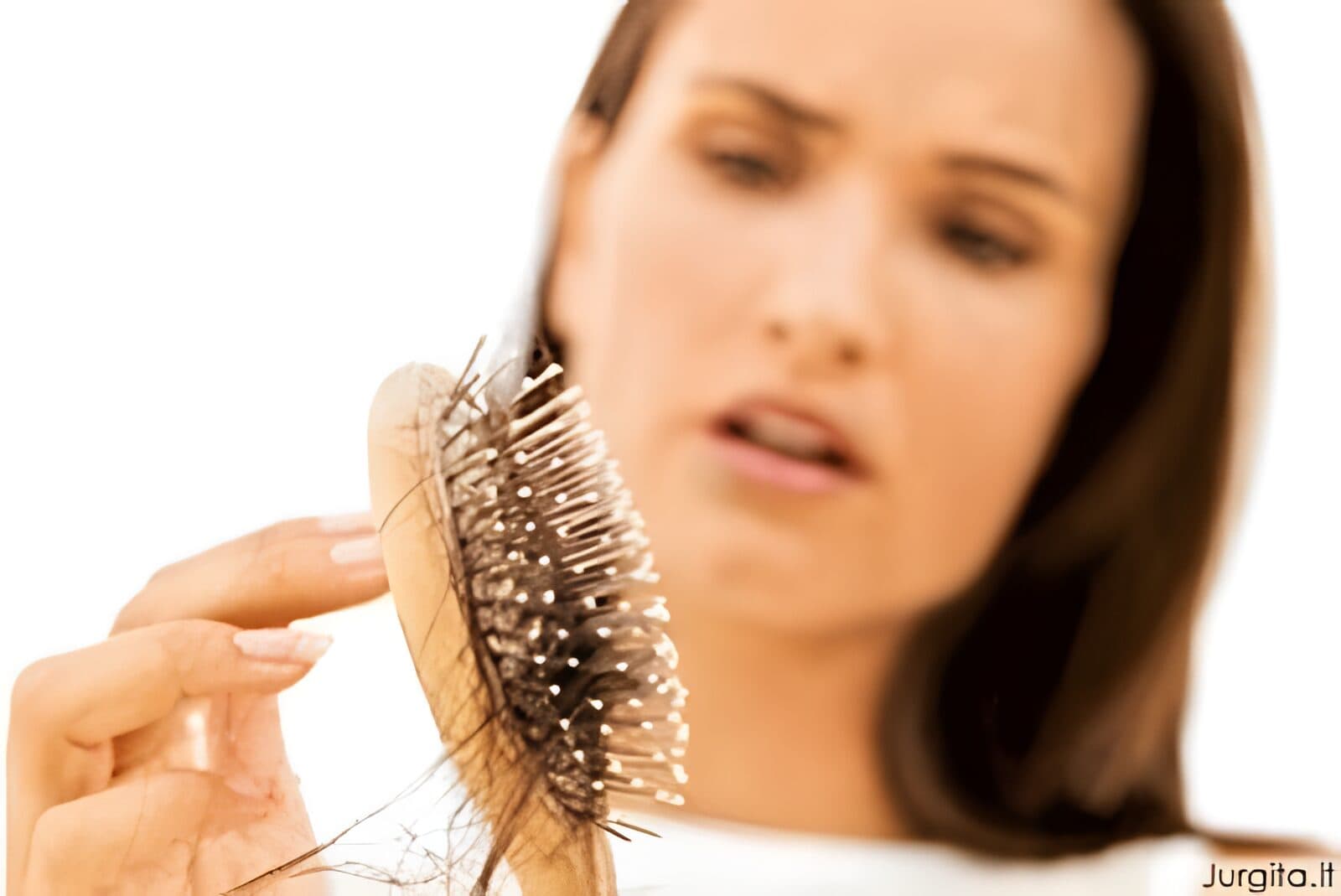
Bleaching, hot tools and summer sun leave hair rough, dull and frizzy at the ends. That is when salons tend to suggest hair botox, sometimes sold as "BTX", "hair filler" or a "reconstruction" treatment. The name sounds medical, so the questions pile up: is it an injection, will it straighten my hair, is it bad for it, and how is it different from keratin?
This guide explains what hair botox is, what goes into the products, how the treatment works, how long it lasts, who it suits and who should skip it, how it compares with keratin and nanoplasty, the risks worth knowing and what it costs.
What is hair botox
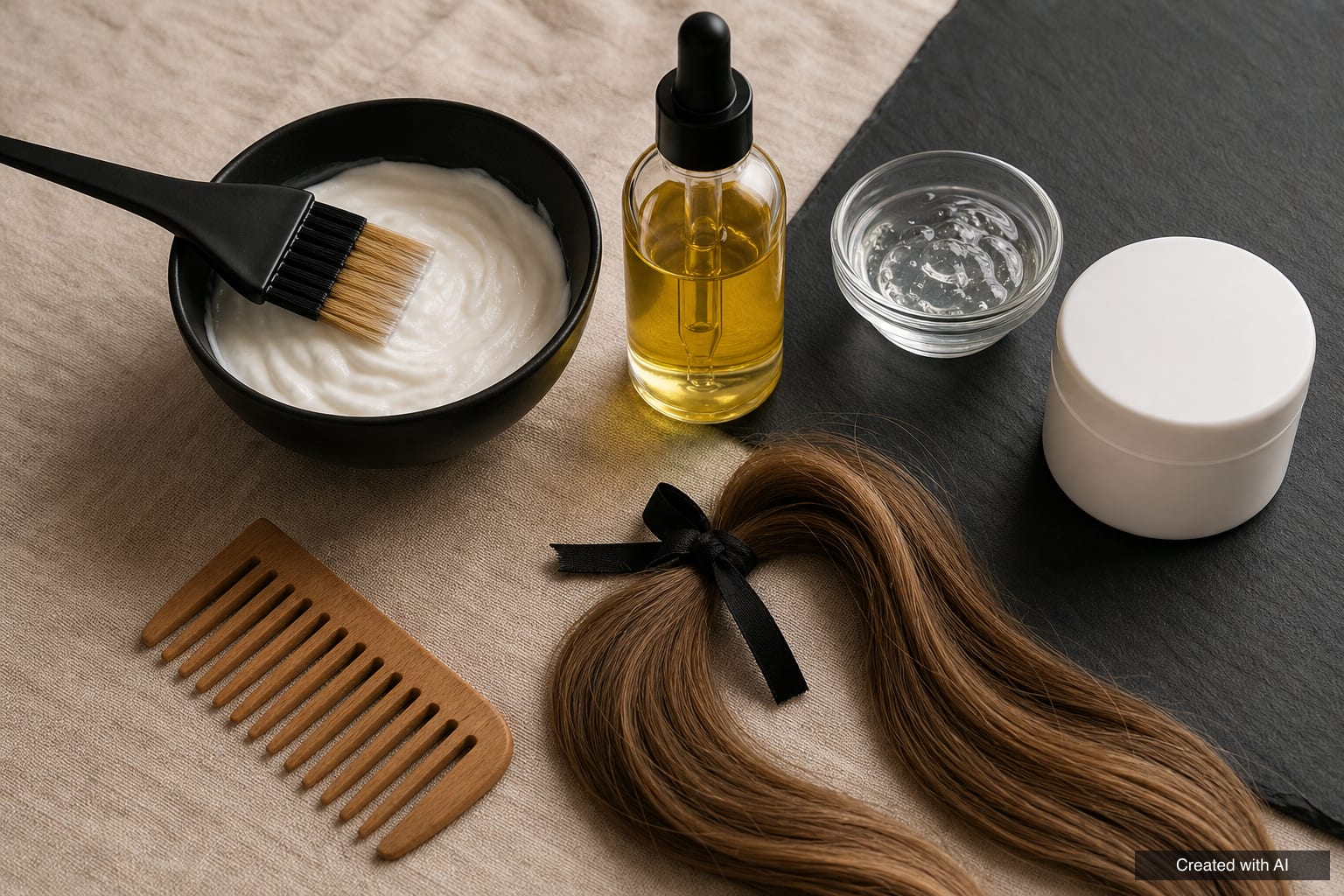
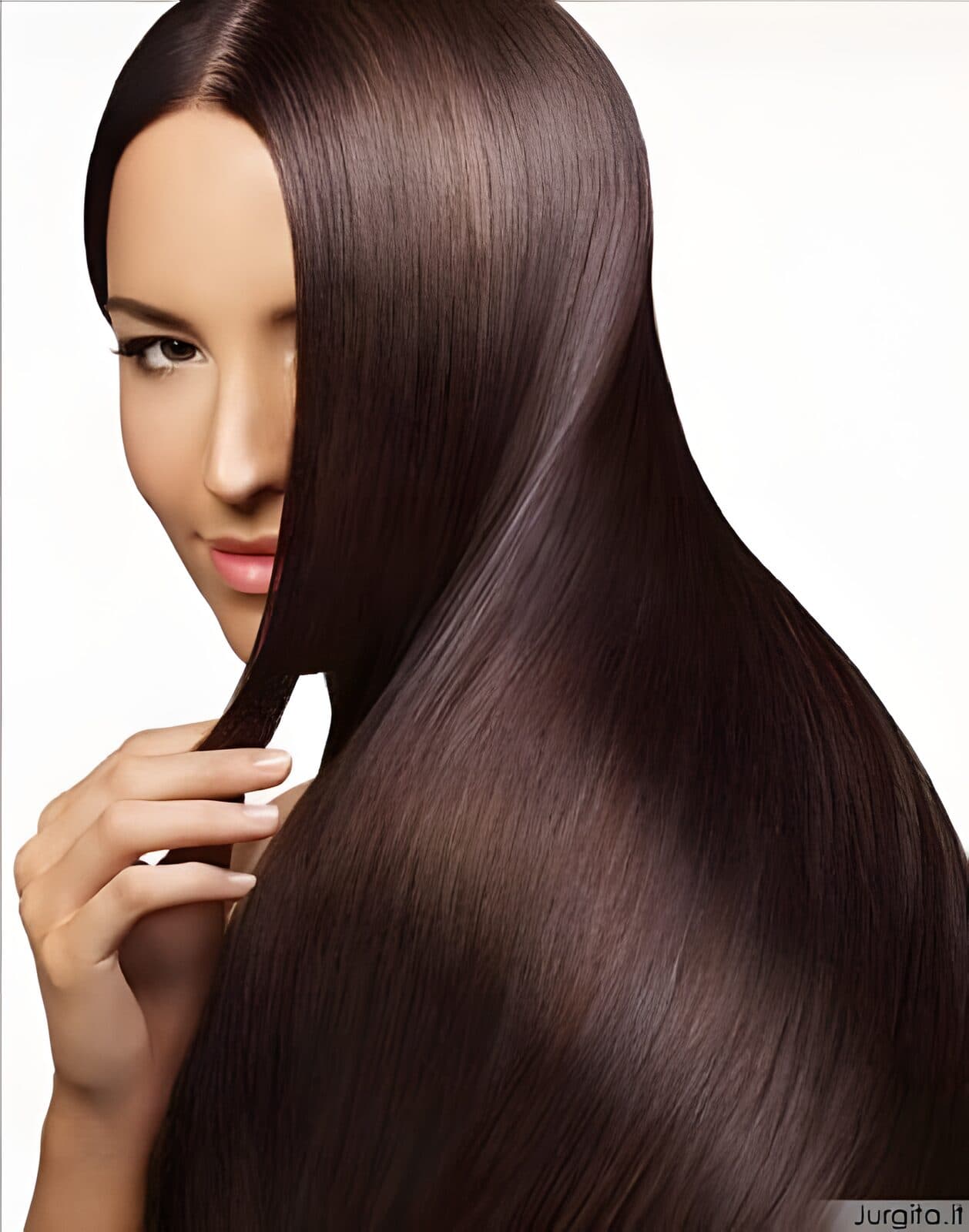
Hair botox is a deep-conditioning treatment: a thick product with so-called fillers is applied to the hair, left on for a while, then the hair is dried and often flat-ironed. The fillers settle into damaged spots, especially along the cuticle (the outer layer of overlapping scales), so the strand looks smoother and reflects more light.
The key point: there is no botulinum toxin in hair botox. Botulinum toxin is a prescription drug injected into muscles, and hair has no muscles. Dermatologists describe "hair botox" as a marketing term, not a medical procedure. The name is borrowed only for the promise of a smoother, "younger" look.
You will see several names for the same or a very similar thing: botox for hair, BTX, hair filler, hair reconstruction, cold botox. None has a legal definition, so products from different brands can be very different. Some are just intensive masks, others also contain smoothing or even straightening acids. Always ask which product will be used.

What is in hair botox
There is no required formula, but most products share the same groups of ingredients. They work mainly on the surface and outer layers of the hair.
| Ingredient | What it is used for |
|---|---|
| Hydrolysed keratin | Small protein fragments that bind to damaged areas of the strand and temporarily fill them. |
| Collagen (hydrolysed) | A protein that forms a film on the hair, so it looks stronger and smoother. |
| Hyaluronic acid | Holds on to moisture, so dry hair feels softer. |
| Amino acids, panthenol (vitamin B5) | Moisturise and condition, make detangling easier. |
| Oils (argan, coconut, caviar extract and others), vitamin E | Soften, reduce friction, add shine. |
| In some products: smoothing acids | Glyoxylic or other acids that reshape the hair when heated. Such a product is closer to a straightening treatment; see the risks section below. |
Cosmetic science reviews describe hydrolysed proteins and conditioning agents as working mostly at the surface: they attach to damaged, negatively charged areas of the hair and reduce friction. That is why the result is visible straight away but washes out over time. "Rebuilds hair from within" or "full reconstruction" are advertising lines, not measured effects.
How a hair botox treatment works
The steps are similar in most salons; what changes is the product, the processing time and whether the hair is flat-ironed. The whole treatment takes about 1–2.5 hours depending on length and density.
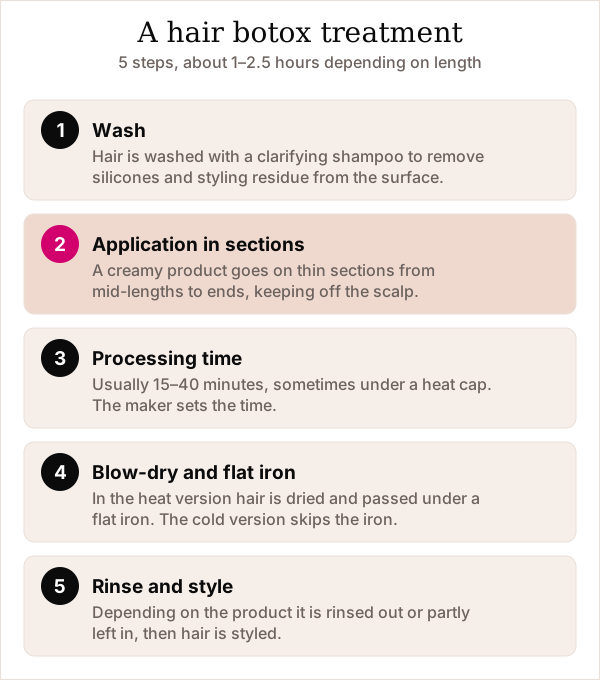
- Wash. A clarifying shampoo removes silicones and styling residue.
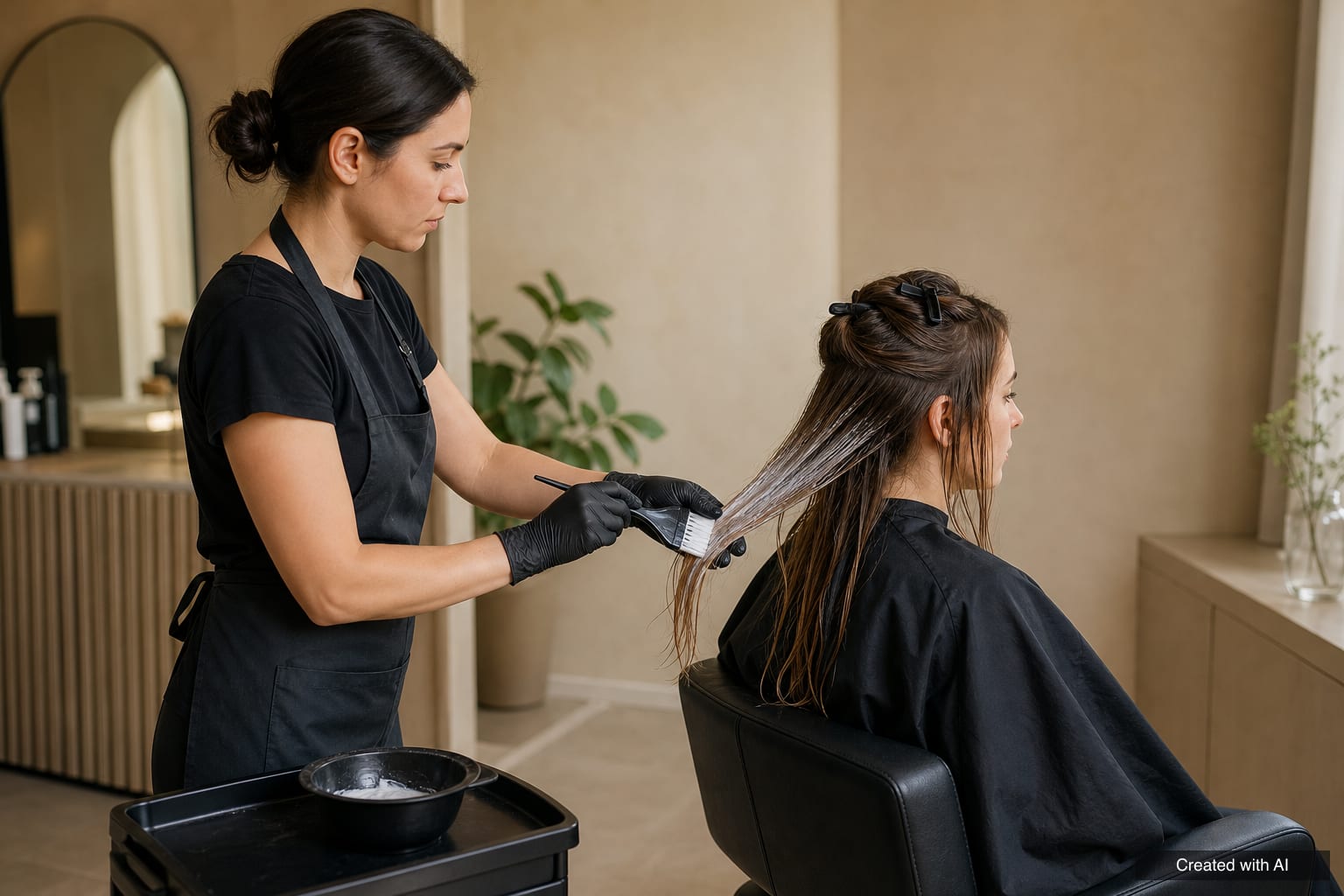
- Application. The stylist works in thin sections, mostly from mid-lengths to ends, where hair is most damaged.
- Processing. The product stays on for 15–40 minutes, sometimes under a heat cap or film.
- Blow-dry and flat iron. In the heat version the hair is dried and passed under a flat iron, often at a lower temperature than for keratin. The cold version skips the iron.
- Rinse and style. Depending on the product it is rinsed out or partly left in, then hair is styled.
Cold vs heat hair botox
Cold hair botox is done without a flat iron: the product processes, is rinsed and hair is blow-dried. It is the gentlest version, close to an intensive mask, and the shortest-lasting. Heat (warm) hair botox finishes with a flat iron: heat helps the product spread and bind, the hair ends up smoother and the result lasts longer. It is still heat, so fine and bleached hair needs a lower temperature.
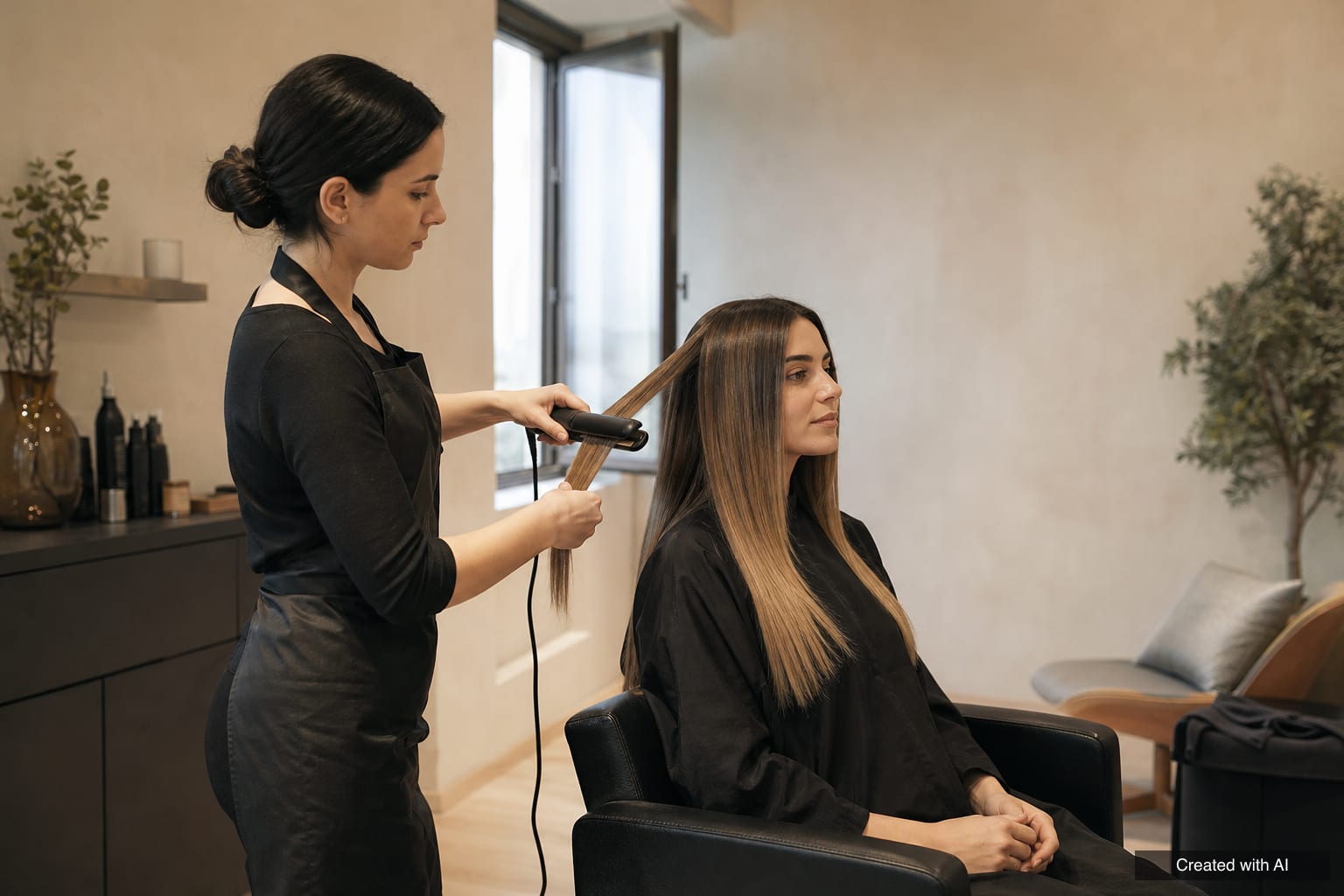
Hair botox before and after: what to expect
Straight after the treatment the difference is usually easy to see and feel. Typical changes:
- hair feels softer and smoother to the touch;
- more shine, especially on darker and coloured hair;
- fewer frizzy ends and flyaways;
- easier to detangle and blow-dry.
What not to expect: wavy or curly hair turning straight, split ends being "sealed" for good, or faster growth. Split ends are better cut off. If your hair is shedding or thinning, a conditioning treatment will not help; see our guide to hair loss causes and treatment.

Hair botox for curly hair
On curly hair, a classic conditioning botox can make curls softer, shinier and less frizzy without straightening them, which is why many people with curls prefer it to keratin. The heat version with a flat iron can loosen the curl pattern for a while, so if you want to keep defined curls, ask for the cold version or no flat iron.
How long does hair botox last
Hair botox usually lasts 3–12 weeks. The cold version lasts about 3–6 weeks, the heat version up to 2–3 months. The effect does not vanish overnight: each wash takes a little more of the fillers away. How long it lasts depends on the product, how damaged the hair is (very porous hair "loses" fillers faster) and how often you wash.
| What shortens the effect | What helps it last |
|---|---|
| Shampoos with sulfates (SLS, SLES), clarifying shampoos | Gentle sulfate-free shampoo and conditioner |
| Daily washing in hot water | Washing less often, lukewarm water |
| Daily hot tools without heat protection | Heat protectant, lower temperature |
| Chlorinated pool water, salt water, strong sun | Wet hair with clean water before swimming, rinse after, wear a hat |
| Bleaching straight after the treatment | Colour or lighten before the treatment (ask your stylist) |
Who hair botox suits, and who should skip it
- hair is dry, dull or rough after colouring or bleaching;
- ends frizz but you do not want straight hair;
- you want to keep natural volume and waves;
- you want something gentler and shorter-term than keratin;
- you are getting ready for an event or a shoot and want shine.
- you want straight hair: botox will not straighten it;
- hair is very fine and gets greasy quickly: a rich product can weigh it down;
- your scalp is broken or irritated, or you have reacted to hair products before;
- you are pregnant or breastfeeding and the product is heated and its ingredients unknown: check with your doctor;
- hair is already overloaded with protein: stiff, brittle, snapping.
Bleached hair is a common reason to book hair botox, because bleaching damages the cuticle the most. If you are planning balayage, agree the order with your stylist in advance: usually the colour comes first and the botox after.
Hair botox vs keratin vs nanoplasty
This is the question salons hear most. The short answer: hair botox conditions and smooths; keratin and nanoplasty smooth and straighten. If your main problem is humidity frizz and long daily straightening, a keratin treatment is the closer match. If hair is straight or softly wavy but dry and dull, botox is usually enough.
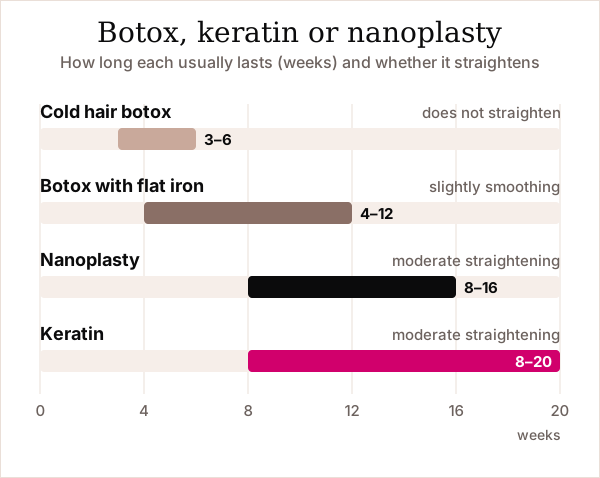
| Hair botox | Keratin | Nanoplasty | |
|---|---|---|---|
| Goal | Softness, shine, fewer frizzy ends | Smoothness, less frizz, straighter hair | Smoothing and straightening without formaldehyde (usually acid-based) |
| Does it straighten | No, or very little | Yes, moderately | Yes, moderately |
| How long it lasts | 3–12 weeks | 2–5 months | 2–4 months |
| Flat iron | In the heat version only | Yes, often 200–230 °C | Yes |
| Volume afterwards | Usually kept | Reduced | Reduced |
Nanoplasty is a marketing name for straightening treatments that use no formaldehyde and instead reshape the hair with acids (often glyoxylic acid) and heat. In how it works it is closer to keratin than to botox, so the same safety questions apply. Some products sold as "BTX" or "botox with straightening effect" also contain smoothing acids. Compare ingredients, not names.
Does hair botox damage hair? Side effects and risks
A classic hair botox, a mask of proteins, oils and humectants, is one of the gentlest salon treatments. Risks appear when a straightening formula is sold under the "botox" name or when the treatment is repeated too often.
Formaldehyde and glyoxylic acid
In Brazil, where many BTX products come from, "botox capilar" is often used for straightening treatments too. Brazil's health regulator ANVISA warned in 2025 that formaldehyde and glyoxylic acid are banned there as straightening agents, and that when heated they can irritate the skin and airways and cause irreversible damage to the hair, especially bleached hair.
In the European Union formaldehyde has been banned in cosmetics since 2019 (Regulation (EU) 2019/831), and products that release more than 0.001% formaldehyde must carry the warning "releases formaldehyde". Glyoxylic acid is still allowed in the EU, but in 2024 "The New England Journal of Medicine" described cases of acute kidney injury after straightening treatments containing it, and the EU's Scientific Committee on Consumer Safety began a safety assessment in 2026. In the US, the FDA warns that many hair smoothing products release formaldehyde when heated. More on this in our keratin treatment guide.
Other side effects
- Allergy or irritation. Fragrance, preservatives or plant extracts can cause itching or redness. If you have reacted to hair products before, ask for a patch test.
- Protein overload. Hair that is constantly loaded with protein can turn stiff and brittle, so do not repeat treatments more often than your stylist advises.
- Heat. The heat version still uses a flat iron, so fine and bleached hair can suffer if the temperature is too high.
- Limp, greasy hair. On fine hair, too much product can flatten volume.
- Which product will you use, and can I see the ingredient list?
- Is it a conditioning treatment, or does it contain straightening acids (glyoxylic or others)?
- Will my hair be flat-ironed, and at what temperature?
- When can I wash my hair and which shampoo should I use?
- When can I colour or lighten my hair?
Hair botox aftercare
There are fewer rules than after keratin, but they help the result last. If your stylist says otherwise, follow their advice.
- First wash. Most stylists suggest waiting 1–3 days (if the product was not rinsed in the salon, follow the maker's instructions).
- Sulfate-free shampoo. Look for a shampoo without "Sodium Lauryl Sulfate" or "Sodium Laureth Sulfate" and skip clarifying shampoos.
- Conditioner after every wash, a mask once a week, and a wide-tooth comb starting from the ends.
- Heat protection before the blow-dryer, flat iron or curling tongs.
- Sun, pool, sea. A hat in the sun, wet hair with clean water before swimming and rinse after.
- Sleep. A silk or satin pillowcase causes less friction.
Humidity is the real test for smooth hair. Check the hair weather forecast to see when humidity and wind peak. Strong hair also starts at the scalp; our guide on how to grow hair faster covers nutrition and habits that matter more than any treatment.
Hair botox at home
Shops sell "botox" products for home use: ampoules, masks and multi-step kits. Most are intensive masks with proteins and oils, so using them is simple: wash, apply to lengths and ends, leave on for the stated time and rinse.
Be more careful with professional products that tell you to seal them with a flat iron at home. If the ingredient list includes glyoxylic acid or other straightening agents, the risks are the same as in a salon, without a stylist's experience or ventilation. Read the label, follow the instructions and start with a small section. A home mask will not replace a salon treatment, but it can help maintain the result between visits.
How much does hair botox cost
Price depends on hair length and density, the product, and whether the treatment is cold or finished with a flat iron. In Lithuania we checked salon price lists and booking platforms in Kaunas and Vilnius (October 2026); US figures come from booking platform ranges.
| Hair length | Lithuania | US (typical) | Time |
|---|---|---|---|
| Short or fine | €35–60 | $90–130 | 1–1.5 h |
| Medium | €45–80 | $130–170 | 1.5–2 h |
| Long | €55–100 | $160–220+ | 2–2.5 h |
| Very long or thick | from €80, often up to €120 | $220–300+, more in big cities | up to 2.5–3 h |
Some salons bundle botox with a haircut, which often costs less than booking both separately. Before you book, check whether the flat iron and the product are included in the price.
How to choose a salon, and what to avoid
- A consultation first. A good stylist looks at your hair, asks about colour, bleaching and previous treatments, and tells you whether botox or keratin suits you better.
- Product transparency. The stylist should be able to name the product and say whether it contains straightening acids.
- Temperature to match your hair. Fine and bleached hair needs a lower flat iron setting.
- Clear aftercare instructions: when to wash, which shampoo, when you can colour.
- Promises that botox will "heal", "rebuild from within" or "stop hair loss".
- Products with no name or ingredient list.
- Carrying on if your eyes sting or breathing gets hard during flat-ironing: ask to stop and air the room.
- Botox and bleaching on the same day unless your stylist recommends it.
- Repeating the treatment every few weeks without a break.
If you are thinking about a new cut to go with smoother hair, our guide to hairstyles for your face shape helps, and the haircuts topic collects all our cut guides.
FAQ
Does hair botox contain botulinum toxin?
No. "Hair botox" is a marketing name. The products contain proteins (hydrolysed keratin, collagen), hyaluronic acid, amino acids, oils and other conditioning ingredients. There are no injections.
How long does hair botox last?
Usually 3–12 weeks. The cold version lasts about 3–6 weeks, the heat version up to 2–3 months. Washing less often with a sulfate-free shampoo helps it last longer.
Is hair botox better than keratin?
It depends on what you want. Hair botox conditions, smooths and adds shine but barely straightens and keeps volume. Keratin straightens and fights humidity frizz and lasts longer, but it is a stronger treatment. Dry, dull hair often suits botox; wavy, frizz-prone hair suits keratin.
Does hair botox straighten hair?
A classic hair botox does not straighten hair; it smooths the surface so hair looks neater. If a product does straighten, it most likely contains smoothing acids and works more like nanoplasty or keratin.
What are the side effects of hair botox?
A conditioning product with proteins and oils is usually well tolerated. Possible problems are scalp irritation or allergy, stiff hair from protein overload, heat damage from a too-hot flat iron, and, with straightening formulas, exposure to formaldehyde or glyoxylic acid. Ask what is in the product before the treatment.
How much does hair botox cost?
Roughly €35–120 in Lithuanian salons and about $90–300 in the US, depending on hair length, density, product and whether a flat iron is used.
Can I colour my hair after hair botox?
Most stylists suggest colouring or lightening before the treatment, so the botox coats freshly processed hair. If you colour afterwards, ask your stylist how long to wait, because the fillers can affect how the hair takes the dye.
Sources
- Vogue, "Is Hair Botox a Real Thing? Experts Weigh In" (comments from dermatologists including M. Henry on ingredients and the name).
- M. F. R. Gavazzoni Dias, "Hair Cosmetics: An Overview", International Journal of Trichology, 2015, vol. 7, no. 1.
- ANVISA, "Anvisa alerta para riscos à saúde associados ao uso de alisantes capilares irregulares", 7 July 2025.
- Commission Regulation (EU) 2019/831 (formaldehyde added to the list of prohibited substances) and Commission Regulation (EU) 2022/1181 ("releases formaldehyde" warning).
- T. Robert et al., "Kidney Injury and Hair-Straightening Products Containing Glyoxylic Acid", The New England Journal of Medicine, 2024, vol. 390, no. 12.
- European Commission, "Call for data on glyoxylic acid used in cosmetic products", 2025–2026.
- U.S. Food and Drug Administration, "Hair Smoothing Products That Release Formaldehyde When Heated".
- Booksy, "Hair Botox Near Me in Orlando" (US price ranges by length). Lithuanian prices: review of public salon price lists and booking platforms in Kaunas and Vilnius, October 2026. Search volumes: Google Ads data (DataForSEO), October 2026. Illustrations created with AI, diagrams by jurgita.com.

Comments (0)
No comments yet. Be the first!
Only logged-in users can comment. Register — and you'll be able to share your thoughts on this article.
Register