

In short
- Hair grows about half an inch (roughly 1 cm) a month. You cannot change that much, but you can stop hair breaking, and then it gets longer.
- Hair growth depends on the scalp and on your health: diet, iron and other stores, stress, hormones.
- Hair vitamins help only when you are short of something. Rosemary oil and scalp massage have a little evidence behind them, not miracles.
- Shampoo goes on the scalp, conditioner on the lengths. Wash as often as your scalp gets oily.
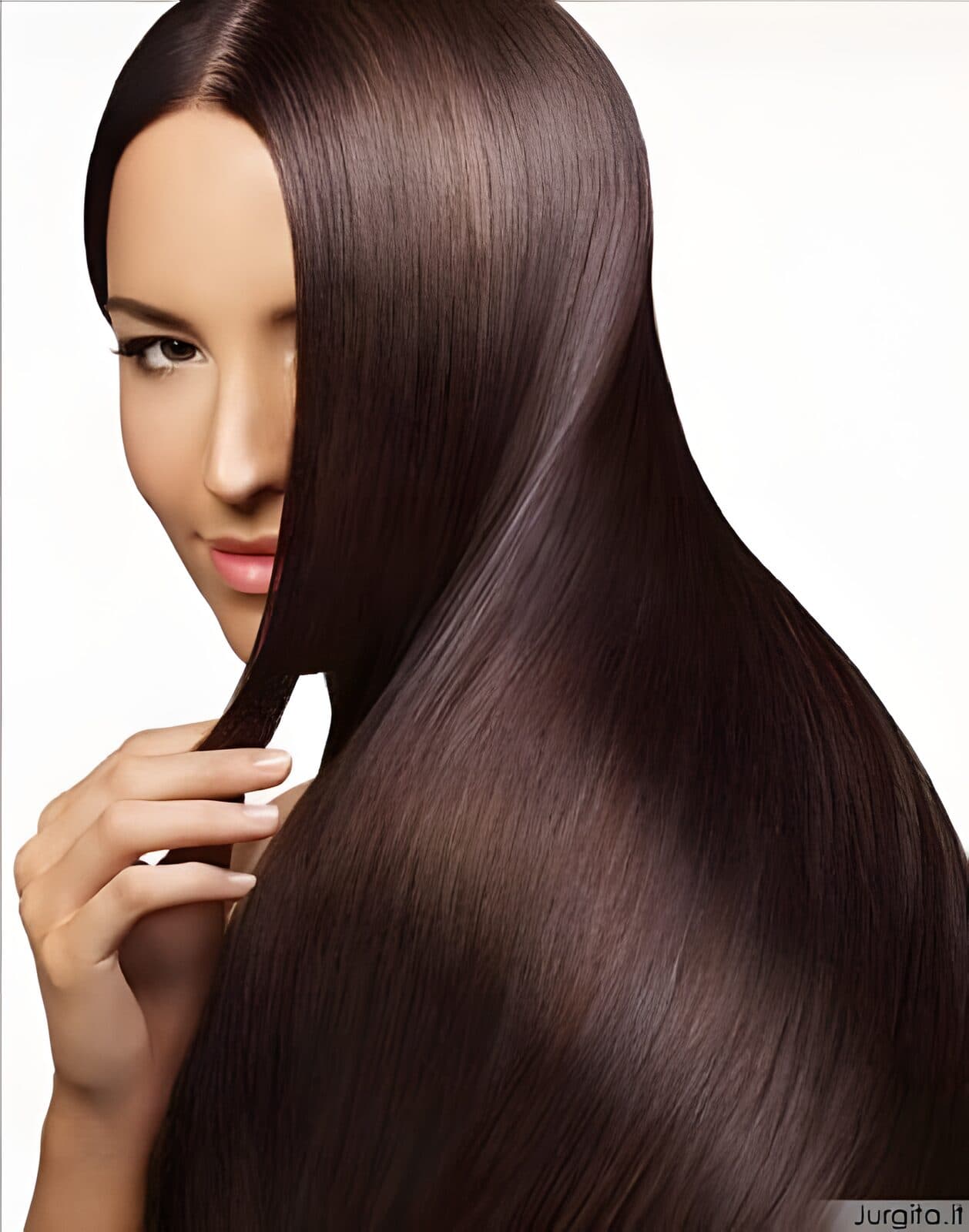
Long, shiny hair is a sign of health. Most of us want it, yet we often lose patience and cut what we spent months growing, because the goal takes far longer than a few weeks. If you want length, hair care has to become a habit.
This guide explains how to grow hair faster in the only way that works, by keeping the length you grow. It covers how hair grows and what slows it down, what vitamins, rosemary oil and scalp massage really do, how to choose shampoo and a mask, which hair myths to stop believing and which home remedies are best left alone.
How fast does hair grow
A hair grows from a follicle in the skin. At its root, actively dividing cells push older cells upwards, and that is how the hair lengthens. Every follicle you have was formed before you were born.
A hair lives through three phases. About 80% of your hair is in the growth phase, which lasts up to several years. Then comes a short transition phase of a few weeks, and a resting phase of a few months, during which a new hair starts to grow and the old one falls out.
| Question | Answer |
|---|---|
| How fast does hair grow? | About half an inch (1 cm) a month, roughly 5–6 inches a year |
| What sets the speed? | Genes, age, hormones, diet and health |
| How many hairs fall out a day? | 50–100 is normal |
| Why does my hair "not grow"? | Usually it does, but breaks off at the ends just as fast |
The main point follows: for long hair you do not "speed up" growth, you protect the length you already have and look after the scalp.
What slows hair growth
- Crash diets and too little protein. Hair is made of protein and suffers early.
- Low iron, zinc or vitamin D. Common in women, especially after childbirth.
- Stress, illness, lack of sleep. Shedding can start a few months after a stressful period.
- Hormonal changes. Pregnancy, the months after birth, thyroid problems.
- Heat and chemicals. Straighteners, dryers, colour and bleach weaken the hair, so it breaks.
- Tight hairstyles. Tight ponytails and braids pull hair at the root.
If your hair is thinning as well as slow, read hair loss: causes and treatment.
Hair growth tips that actually help
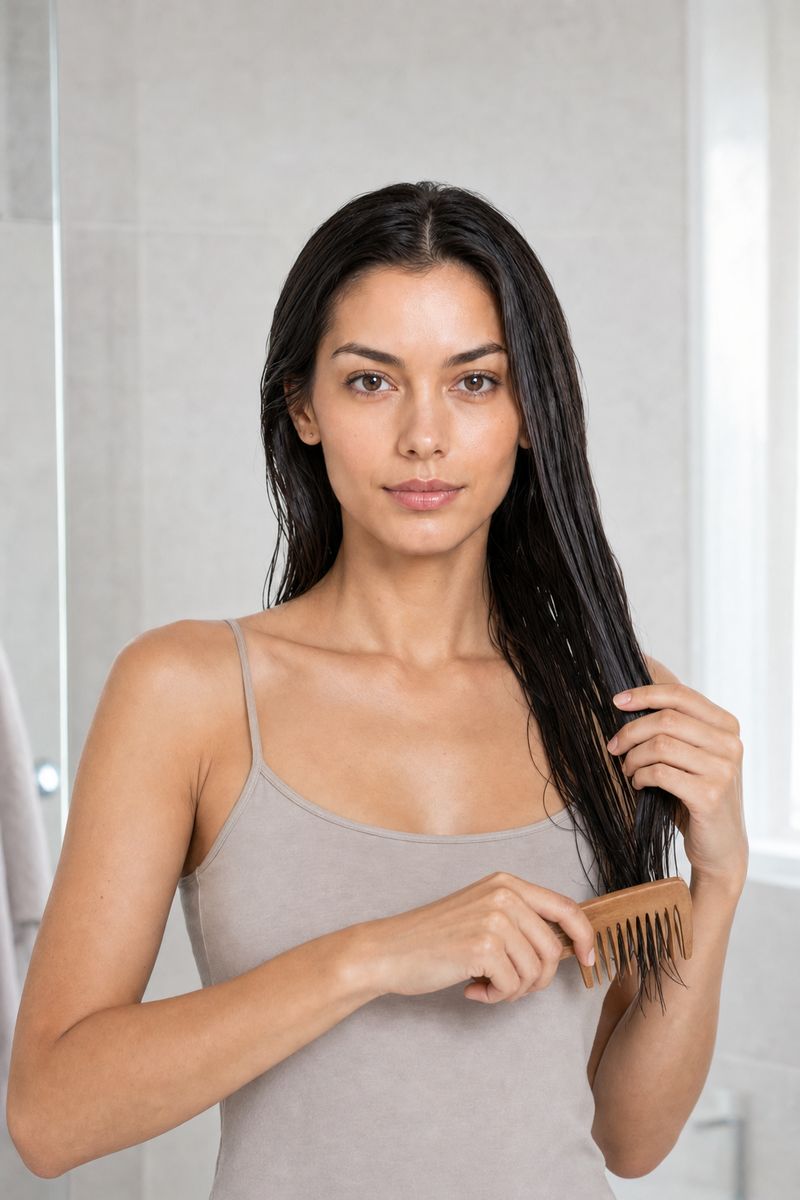
- Health first. If hair suddenly sheds or stops growing, have your iron stores (ferritin), vitamin D and thyroid checked.
- Eat enough protein. Eggs, fish, pulses, nuts. Avoid crash diets.
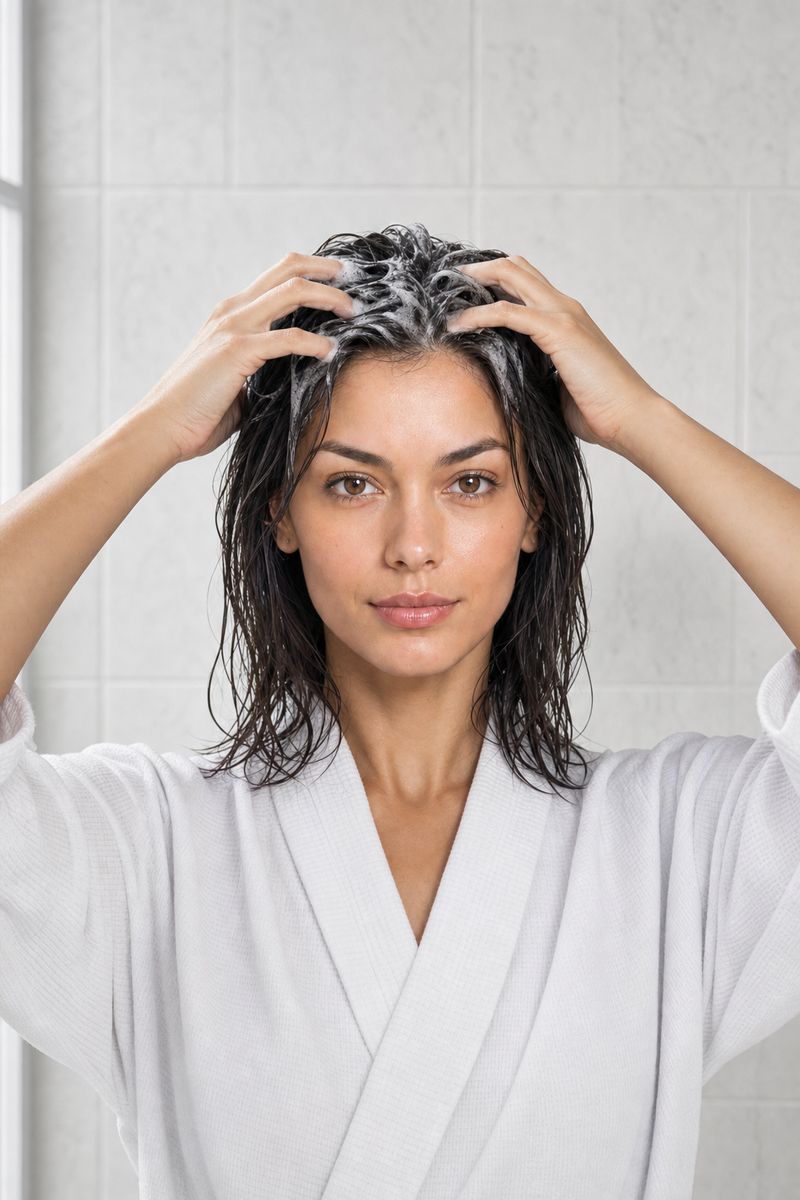
- Wash gently. Put shampoo on the scalp, not along the hair, and massage with your fingertips. The lather that rinses through is enough for the lengths.
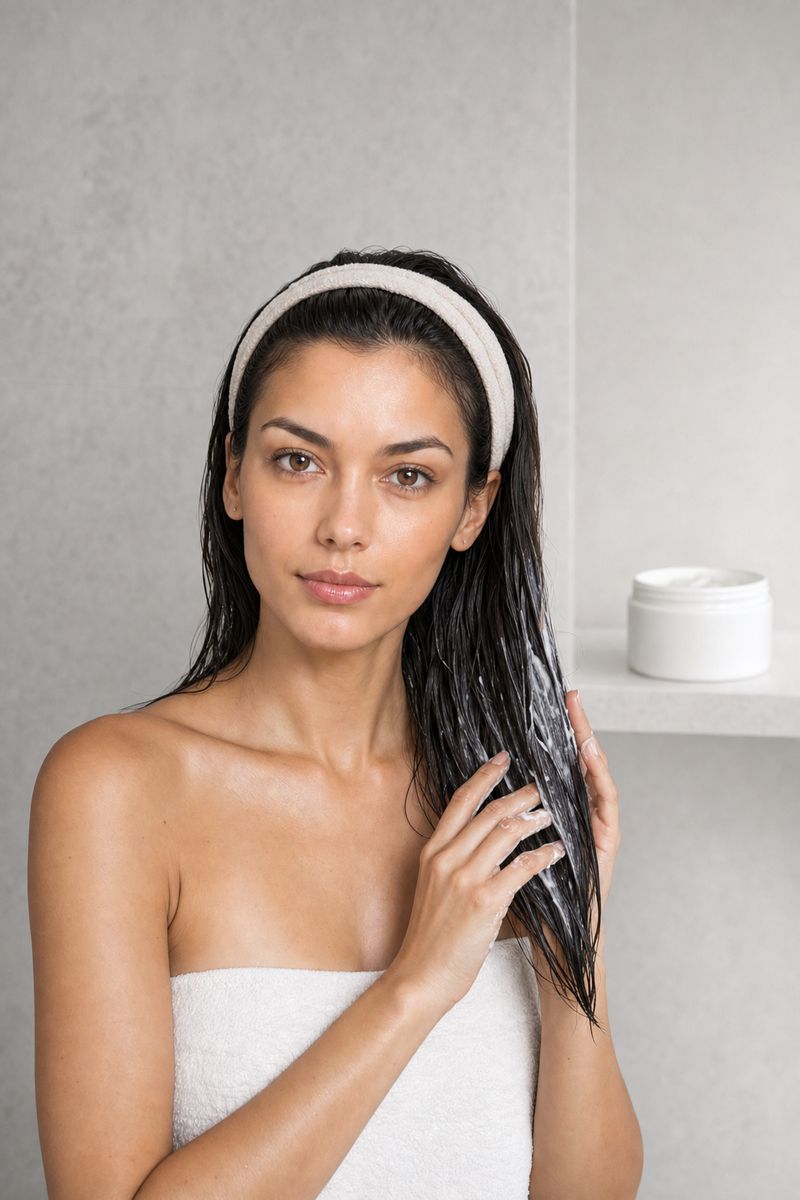
- Conditioner after every wash. On the ends for fine or straight hair; along the whole length for dry or curly hair.
- Dry gently. Wrap hair in a towel instead of rubbing. Air-dry when you can and use the lowest heat setting.
- Use a wide-tooth comb. On wet hair, not a brush. A hundred strokes a day is a myth.
- Less heat. Use straighteners and curling irons rarely, with heat protection.
- Loose styles. Avoid tight elastics and clips; choose soft, fabric-covered bands.
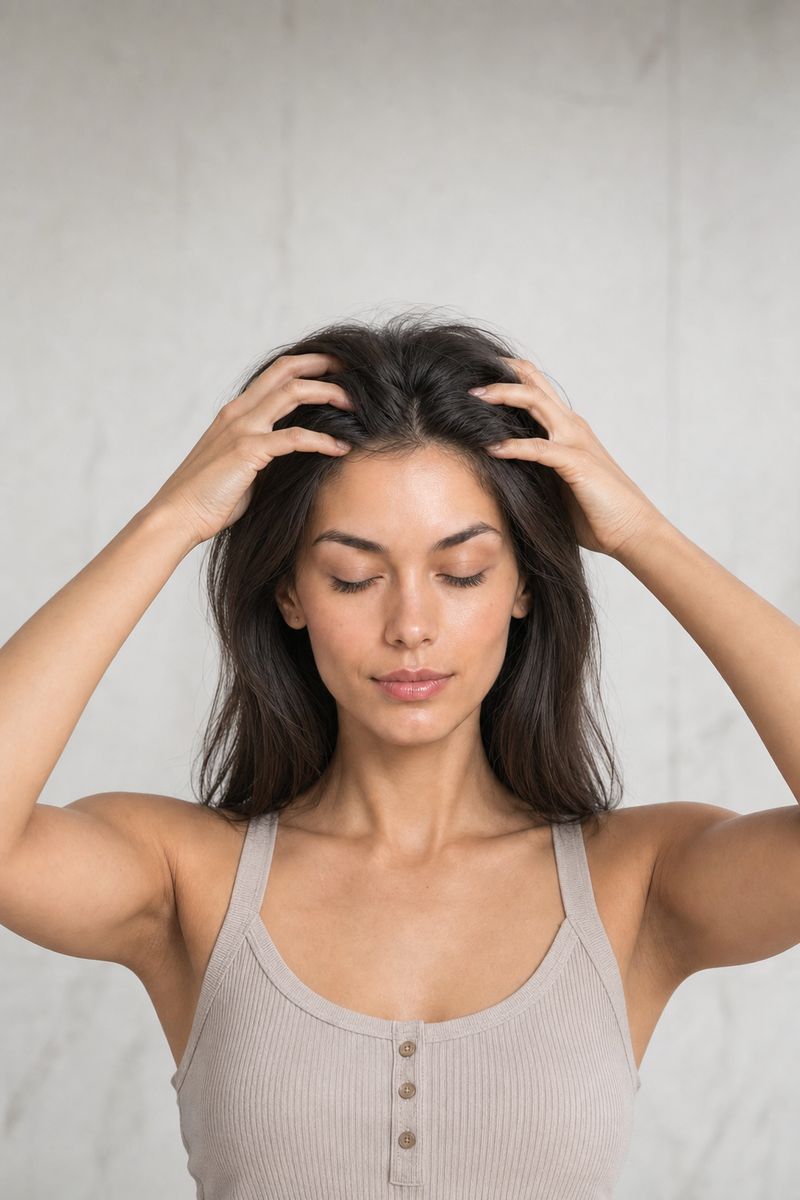
- Scalp massage. A few minutes a day. In small studies regular massage was linked to thicker hair; at worst it simply feels good.
- Protect from sun, chlorine and salt water. Wet your hair before swimming and rinse it straight after.
- Trim regularly. It does not speed growth, but with split ends gone, hair breaks less and looks fuller.
- Be patient. Any change shows after three to six months.
Do hair vitamins work
Supplements help when you are short of something. Hair needs protein, iron, zinc, vitamin D and B vitamins, biotin among them. If your diet covers these, extra doses will not make hair grow faster.
- Have a blood test and talk to a doctor or pharmacist before buying supplements.
- High doses of vitamin A, selenium and some other nutrients can actually cause shedding.
- Biotin can distort some blood test results, so tell your doctor you take it.
- Vitamins in shampoo do not "feed" the hair: the shaft is not living tissue.
Rosemary oil for hair, oil masks and other popular methods
| Method | What is known | How to use it |
|---|---|---|
| Rosemary oil for hair | In one trial of 100 people it performed about as well as 2% minoxidil after six months. Evidence is limited and comes from thinning hair | Dilute a few drops in a carrier oil, massage into the scalp, wash out later. Undiluted it can irritate |
| Olive, coconut, castor oil | Do not speed growth, but coat the hair so it breaks less | Warm oil on the lengths before washing, 30–60 minutes |
| Hair mask | Hydrates and smooths the shaft, reduces breakage | Once a week on the lengths, 5–20 minutes |
| Hair serum or oil for the ends | Protects the ends from friction and heat | A drop on damp or dry ends |
| Onion, garlic, horseradish juice | Folk remedies without reliable evidence; they often irritate and smell | Not recommended |
How often should you wash your hair, and with what
- Choose for your scalp. The scalp, not the hair, reacts to shampoo, and its needs change with pregnancy, colouring and the cold season.
- Wash as often as it gets oily. An oily scalp can be washed every day; dry or curly hair needs it less often.
- You need little shampoo. About a quarter of your palm. Lather is not a measure of clean.
- Sulfate free shampoo. Milder, good for a dry or sensitive scalp and coloured hair. It may be too gentle for an oily scalp.
- Clarifying shampoo. No more than once a week if you use a lot of styling products: it dries the hair.
- Conditioner is not optional. It hydrates, protects and reduces static. If hair gets oily fast, apply it from the ears down.
- Two-in-one is for travel. It does not hydrate dry hair enough and weighs oily hair down.
For a flaky scalp see dandruff: causes and shampoo, and for a cut that suits you, our face shape guide.
Hair myths
- "Change shampoo often because hair gets used to it." The hair shaft is not alive and cannot get used to anything. If a shampoo suits you, keep it.
- "You must not wash your hair every day." Gentle shampoos can be used as often as needed.
- "More lather means cleaner hair." Lather is mostly there for the feel.
- "The same ingredients mean the same result." The label does not show proportions, and they decide the outcome.
- "Shampoo washes out hair colour." Water itself does most of that. Products for coloured hair slow the fading.
- "Cutting hair makes it grow faster." No, but it helps you keep the length.
- "Dry shampoo replaces washing." It only absorbs oil, like powder on the face. The scalp still needs washing.
Hair advice you should never try
- A mayonnaise mask. Shop mayonnaise is full of additives, hard to wash out and leaves hair greasy.
- A raw egg mask. If the water is too hot, the egg cooks in your hair. A modern mask does the job without the mess.
- Flour or baby powder on oily roots. On dark hair it looks like dandruff, and wet it turns to paste. That is what dry shampoo is for.
- Ketchup on green-tinged blonde hair. Nobody can promise the result. Wet your hair before the pool and use a swimmers' shampoo instead.
- Rubbing the scalp hard with a towel. Wet hair breaks easily; squeeze it, do not rub.
- Overnight masks with rum, lard or garlic. They irritate the scalp and nothing is proven.
Devices for the scalp
Alongside shampoo and a mask, some people use scalp massagers and LED light devices at home. The Mind University shop has the Photon therapy cap, an LED light cap for cosmetic scalp and hair care at home, and the GrowEasy essence, which the radionics tradition links with hair and the scalp. They are cosmetic care and wellbeing products, not medicines, and no substitute for tests if your hair is falling out.
When to see a doctor
- Hair comes out in clumps or you find bald patches.
- Your hair has clearly thinned within a few months.
- Your scalp itches, hurts, flakes or is red.
- Shedding began after illness, childbirth, new medication or rapid weight loss.
See your doctor or a dermatologist: a simple blood test often shows the cause. If you would like a specialist to match your cut and colour to your face, that is what an image consultation is for.
Frequently asked questions
How fast does hair grow?
About half an inch (1 cm) a month, or 5–6 inches a year. The rate depends on genes, age, hormones and health.
How can I make my hair grow faster?
Look after your diet and health, wash and comb gently, cut down on heat, wear loose styles and massage your scalp. Hair then breaks less and gets longer.
Does rosemary oil help hair growth?
In one trial it performed about as well as 2% minoxidil after six months, but evidence is limited. Use it diluted and watch for irritation.
Does cutting hair make it grow faster?
No. Hair grows from the root, so a trim does not change the rate. With split ends gone, hair breaks less and looks healthier.
How often should you wash your hair?
As often as your scalp gets oily: every day for an oily scalp, less often for dry or curly hair.
Does scalp massage help hair growth?
Small studies link regular scalp massage to thicker hair. It is safe, costs nothing and takes a few minutes a day.
Is sulfate free shampoo better?
It is milder, which suits a dry or sensitive scalp and coloured hair. An oily scalp may need stronger cleansing.
Sources
- American Academy of Dermatology, Tips for healthy hair.
- American Academy of Dermatology, 10 hair care habits that can damage your hair.
- Panahi Y. et al., Rosemary oil vs minoxidil 2% for the treatment of androgenetic alopecia, SKINmed.





Comments (0)
No comments yet. Be the first!
Only logged-in users can comment. Register — and you'll be able to share your thoughts on this article.
Register