

In short
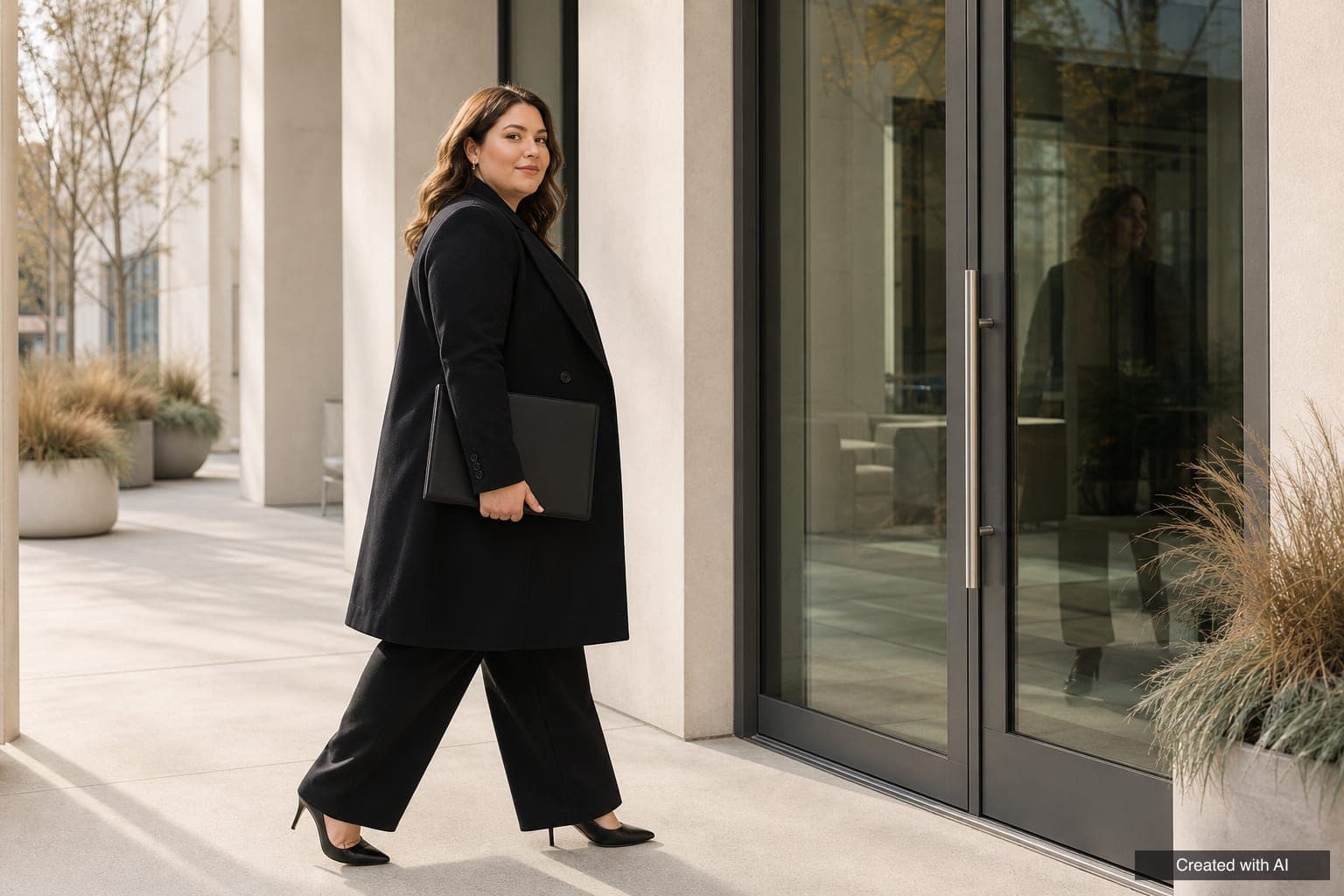
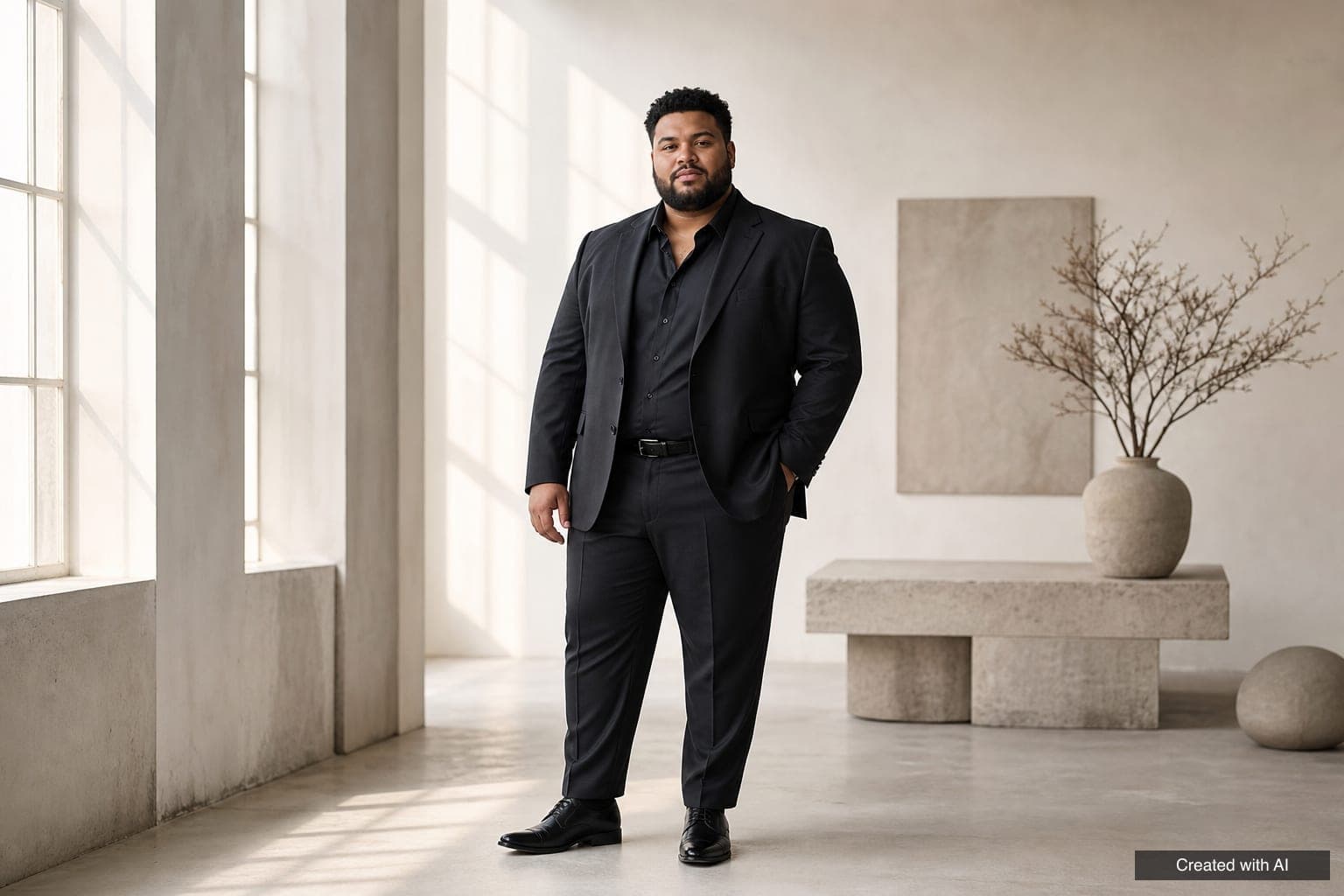
- Plus size models do the same kinds of jobs as other models: e-commerce, advertising, lingerie, swimwear, occasionwear, sportswear and fit work. Commercial work is the bulk of the diary, and runway and editorial are a smaller slice.
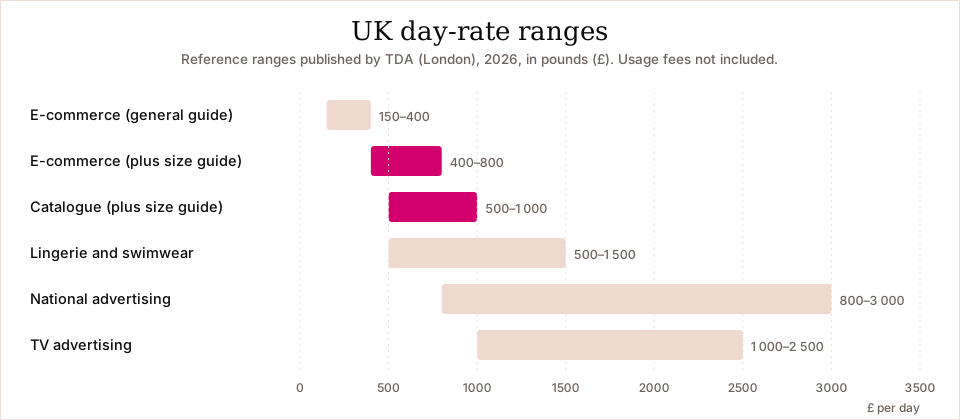
- A London agency's 2026 ranges put a curve e-commerce day at £400 to £800 and a national campaign day at £800 to £3,000, with a separate usage fee on top. These are agency examples, not promises.
- There is no salary. Pay is a day or hourly fee plus a usage fee, minus agency commission, minus tax, and the month-to-month total is uneven.
- Reliable public pay data for plus size models is thin and the averages that circulate disagree widely. We found no Lithuanian figures.
When people ask about plus size modeling jobs they usually mean one of two stories. One is the famous names, magazine covers and seven-figure deals. The other is the everyday market: a model shot for an online store, a lingerie catalogue or a bank campaign. This article is about the second, because that is where most plus size models work, and where income is counted in booked days and repeat clients, not headlines.
What counts as plus size is covered in our guide to what is considered plus size, and the whole topic is mapped in the plus size modeling guide. Here we compare the kinds of work and the money. Pay figures come from government statistics, agency rate guides and job-listing aggregators. Where sources disagree we give the range and the date.
What jobs plus size models book
The difference from straight-size modeling is mostly in the mix of work, not in the job types. The London agency The Diversity Agency (TDA) describes its curve board in 2026 as booking, in rough order of frequency: e-commerce, high-street and supermarket campaigns, lingerie and swimwear, bridal and occasionwear, beauty, public-information and corporate films, sportswear, TV commercials and, less often, runway. That is one agency in one country, so read it as an example of the mix.
 Model training with SupermodelsDigitals the way agencies askIn the lesson we shoot front, profile, full length and portrait without make-up and teach you to repeat it at home.About the trainingfrom €69
| Type of work | What the model does | How it is usually paid |
|---|---|---|
| E-commerce | Wears product on a plain background, 40 to 120 changes a day | Hourly or day fee, usage often included |
| Catalogue and advertising | Campaign stills, lifestyle, retail, banking, telecoms | Day fee plus a separate usage fee |
| Lingerie and swimwear | Fitted product shots, often on a closed set | Day fee plus usage fee |
| Bridal and occasionwear | Dresses, suits, wedding collections | Day fee, sometimes a collection booking |
| Sportswear | Activewear campaigns with movement | Day fee plus usage rights |
| Runway | Fashion shows, cast to the collection size | From clothes and photos to a fee, depending on the show |
| Editorial | Magazine or online shoot | Low fee, or a credit and images for the portfolio |
| Fit | Wears samples so a maker can adjust the cut | Hourly fee |
E-commerce: the most frequent work
TDA's explanation is simple: a 3XL shirt photographed on a very slim model looks different when it arrives, and the buyer sends it back. So an online store needs a model who fills the size it sells. TDA calls these the highest-frequency bookings, with 40 to 200 or more pieces in a day. The job is technical: change quickly, hold the same pose, repeat a movement until the photographer has the frame. Posing basics are in plus size photoshoot poses.
Lingerie and swimwear
These briefs are cast almost entirely from curve and mid-size boards, according to TDA, and each piece gets its own set-up, so the day runs slower than e-commerce and the set is often closed. Before you say yes, ask who will be on set and where the images will run, and put the answers in the modeling contract, not in a chat message.
Commercial, occasionwear and sportswear
This is the work where a client wants to see its own customer. TDA lists retail, banking, telecoms, healthcare, travel and bridal. It calls sportswear and athleisure a growing area where taller models are in demand. It is not fitness modeling, which is cast on a muscular physique: in sportswear the question is how the garment moves on the body.
Runway and editorial
Runway is the most visible work but not the main income. TDA says it is a small share of its bookings, mostly around London Fashion Week. Editorial pays least: in TDA's general UK guide it is £100 to £300 a day and often only images and a credit. Runway has its own technique, which we explain in how to walk like a model.
Fit modeling
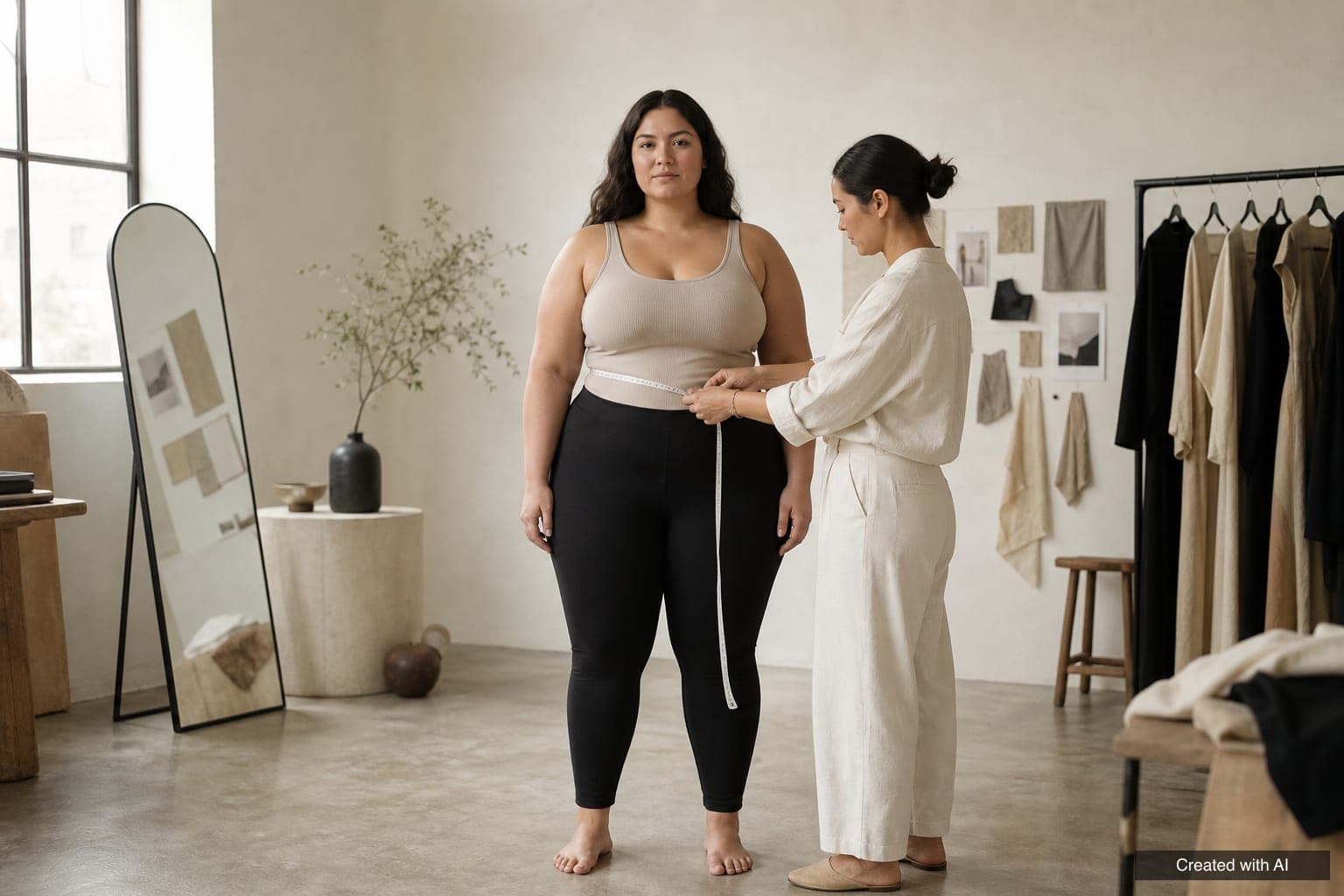
A manufacturer or designer uses a fit model to get the best cut, and the US Bureau of Labor Statistics (BLS) lists fit work as its own type of modeling. What matters most is exact, stable measurements, not looks. See our guide to fit modeling. As of October 2026 the job-listing site ZipRecruiter reports an average of $52.18 an hour for plus size fit model listings in the US, with a range of $38.46 to $96.15. That is an estimate drawn from listings and third-party data, not official statistics.
How much plus size models make: what the sources say
There is no single number. Pay depends on the type of work, the client, the country, the usage rights and how often the model is rebooked. Here is what is publicly available, each with its source and year.
| Source | What it reports | Year, currency |
|---|---|---|
| TDA (London), plus size / curve guide | E-commerce £80 to £150 an hour or £400 to £800 a day; catalogue £500 to £1,000; national stills £800 to £3,000 plus usage; lingerie or swimwear £500 to £1,500 plus usage; TV £1,000 to £2,500 plus usage | 2026, GBP |
| TDA, general UK pay guide | E-commerce £150 to £400 a day, editorial £100 to £300, commercial and lifestyle £400 to £1,500, beauty and luxury £500 to £3,000 or more. A working model earns roughly £10,000 to £40,000 a year before costs | 2026, GBP |
| Models Direct (UK agency) | Typically from £50 to several hundred pounds a day; only the best-known names up to £20,000 a day | Page checked October 2026, GBP |
| US Bureau of Labor Statistics | Median for wage-earning models $23.30 an hour ($48,470 a year); lowest 10 percent under $16.44, highest 10 percent over $63.21. Self-employed models are not included | May 2025, USD |
| ZipRecruiter | Plus size models: average $28.85 an hour, about $60,000 a year, 25th to 75th percentile $50,000 to $70,000 | October 6, 2026, USD |
| Backstage article | Quotes Comparably ($40,000 to $400,000, average about $95,000) and ZipRecruiter ($20,000 to $140,000, average about $65,000) | August 2024, USD |
The sources disagree, and that is expected. Some count wage-earning employees, some job listings, some a single agency's examples. Aggregators cannot tell a full-time job from a handful of booked days, so their "annual salary" is only a rough estimate. Even TDA gives two e-commerce day ranges: £150 to £400 across all UK models and £400 to £800 in its curve guide. The number that matters is the one in writing before a specific job.
We found no public pay data for plus size models in Lithuania. For general Lithuanian ranges, see how much do models make and modeling rates.
Do plus size models earn less?
TDA states that the same brief pays the same whichever board a model is on: on a national campaign, a curve model and a mainboard model get the same day fee. In 2024 the US photographer and model coach Brandon Andre wrote that there is no official gap but the work pattern differs: curve models often book more frequently, sometimes several times a week, mostly in e-commerce, and may land fewer of the highest-paid jobs. That is one practitioner's view, not a study, and he also notes that a lack of pay transparency, and clients who discourage models from comparing rates, makes comparison hard.
Compare an offer with the same type of work in your own market, not with a headline from another one, and ask whether usage rights are included.
Who pays for what
A model's income has several parts, and each should be visible on its own:
- Day or hourly fee. Payment for the work on set. According to TDA, it depends on the brief, not on the model's size.
- Usage fee. Where, in which media and for how long the images run. TDA says usage can be two to ten times the day fee: a £600 day with two-year worldwide all-media usage can come to around £6,000. That is an agency example, not a rule.
- Agency commission. TDA quotes 20 to 40 percent of the net fee and treats anything above 50 percent as a red flag. Our pay guide describes the international structure where the agency takes about 20 percent from the model and adds about 20 percent for the client.
- Costs. Composite card, test shoot, travel. For a new model these are often deducted from early earnings.
- Tax. In the UK the agency does not withhold tax and the model pays as self-employed. For how it works for models paid in Lithuania, see model taxes.
How plus size work differs from straight-size modeling
| Plus size model | Straight-size fashion model | |
|---|---|---|
| Size in a casting brief | Given as an instruction, such as a UK 18 to 22, not as a look | Usually the single sample size of the collection |
| Typical bookings | E-commerce, advertising, lingerie, swimwear, occasionwear | Runway, magazines, campaigns, e-commerce |
| Height | Wider range: TDA curve models are about 5'4" to 6'0" (163 to 183 cm) | Tighter limits for fashion work, see the requirements |
| Stats on the application | Must match the rail: TDA stresses the size you are, not the size you want to be | Real stats as well |
| Pay for the same booking | The same, according to TDA | The same |
How long before the first bookings arrive
At TDA, new plus size signings typically book their first jobs three to six months after signing, and repeat bookings begin between six and twelve months, once clients add the model to their go-to list. The first months go on verifying stats, test shoots and preparation. That is why the first year is financially modest: TDA's general guide puts a development model at £1,500 to £8,000 over 5 to 15 days in the first year and a working model at £15,000 to £60,000 over 30 to 80 days. These are the agency's figures for all its models, not only plus size.
If you are not there yet, read how to become a plus size model and how to find a plus size modeling agency. A modeling portfolio helps with the first photos.
How to handle the work, and what to avoid
Do
- Get the date, duration, fee, usage rights, territory and term in writing before the job.
- Ask whether a job is lingerie or swimwear and who will be on set. You can accept or decline.
- Give accurate stats. A size that does not match the rail wastes the day for everyone.
- Keep contracts, invoices and statements for your tax return.
Avoid
- Any agency that asks for an upfront registration or representation fee. A real agency earns commission.
- Working for "exposure" for a commercial client who will use the images to sell product.
- Verbal promises on usage. An open-ended "forever" can be worth far more than the day.
- Pressure to change your body for a job. Agencies ask for size and measurements, not for you to change them. If you feel anxious about your body or eating, talk to your doctor or a support service in your country; in Lithuania call 116 123 or 112 in an emergency.
Frequently asked questions
How much do plus size models make a month?
There is no single figure, because a model is paid per job. TDA puts a working UK model at £15,000 to £60,000 a year across 30 to 80 days in 2026, but that covers all its models and months vary a lot. The BLS median for wage-earning models is $23.30 an hour (May 2025) and does not include self-employed models.
Do plus size models get paid less than straight-size models?
TDA says the same brief pays the same. In practice the mix of work differs: more e-commerce and lingerie, less runway. There is no public comparative study, so nobody can say for certain that a gap exists or does not.
Do I need an agency to get plus size modeling work?
The BLS notes that almost all models sign with agencies because most clients prefer to work through agents. Freelancing is possible but hard for a new model. Check an agency's reputation and read the contract before you sign.
Do I have to do lingerie or swimwear?
No. It is one type of work and you can decline it. Tell your agency which jobs you accept and ask for a description before each booking.
How much does a plus size fit model make?
ZipRecruiter reported an average of $52.18 an hour in the US in October 2026, with a range of $38.46 to $96.15. We found no Lithuanian figures, so agree the rate separately.
Do plus size male models earn the same?
TDA says male models in the UK are paid 10 to 30 percent less than women on the same brief. See plus size male models for more.
Sources and recommended reading
- US Bureau of Labor Statistics, Occupational Outlook Handbook: Models, updated August 27, 2026 (bls.gov/ooh/sales/models.htm): pay for May 2025, types of modeling work, agencies.
- The Diversity Agency (London), "How to Become a Plus-Size / Curve Model in the UK" and "How Much Do UK Models Earn in 2026? Real Day Rates", checked October 2026: types of work, day rates, commission.
- Models Direct (UK), page "Plus Size Models Wanted", checked October 2026: published pay ranges.
- ZipRecruiter, "Plus Size Models Salary" and "Plus Size Fit Model Jobs", October 6, 2026: estimates drawn from job listings.
- Backstage, "How to Become a Plus-Size Model", August 2024: figures from third-party salary aggregators.
- Brandon Andre, "Do Curve Models Make Less Money Than Traditionally Sized Models?", February 2024: a practitioner's opinion on the pattern of work.
- Jurgita: how much do models make, modeling rates, model taxes, modeling contract.
Comments (0)
No comments yet. Be the first!
Only logged-in users can comment. Register — and you'll be able to share your thoughts on this article.
Register