Model casting
Model casting is the selection stage where a client or foreign agency chooses among signed models for a job or market. An open call is different: it is an agency searching for new faces to represent. Both work like job interviews, and scouts may review material before answering.
Preparation matters because selectors want to see your natural features, proportions, movement and manner, not styling that hides them. Knowing what to wear, bring and expect helps you present accurate information and recognise unsafe or fake offers. It also prevents one rejection from feeling final: agencies may watch how a model develops across several castings.
Guides and tools on this topic
- ToolFashion calendar: weeks and castings
- ServiceModel training
- CatalogueModeling agency catalogue
- GuideModeling terms
Rubrics that cover it
How casting works in practice
At a casting, the client or scout assesses whether your type fits a specific job or market. In Western markets, neutral digitals may be enough; in Asia, models are commonly asked to pose, and performance can affect both booking and fee. Runway work adds repeated selection stages: castings, go-sees and a fitting before a show. A response may take from a few days to a few weeks, and silence usually means another type was chosen.
What to do and avoid
Prepare simple, accurate material rather than an elaborate portfolio. Use unfiltered daylight photos, know your current measurements and follow any clothing or footwear instructions. Be polite and natural, without trying to force a particular image. Never pay to attend, and verify unexpected offers through an agency's official website. Requests for intimate photos, urgent payment or a meeting alone are warning signs. Under-18s should participate only with a parent's knowledge, and a parent signs any contract.
Who casting matters to
Signed models attend castings for specific clients, shows and foreign markets. Beginners meet agencies through open calls, online applications, scouts or model searches, and do not need to win a competition to start. Requirements vary by branch: runway has narrow height and sample-size expectations, while commercial and curve boards use different criteria. Plus-size candidates should check whether an agency has a curve board before applying. Social media can support a career, but it does not replace digitals and measurements.
All stories on this topic (10)
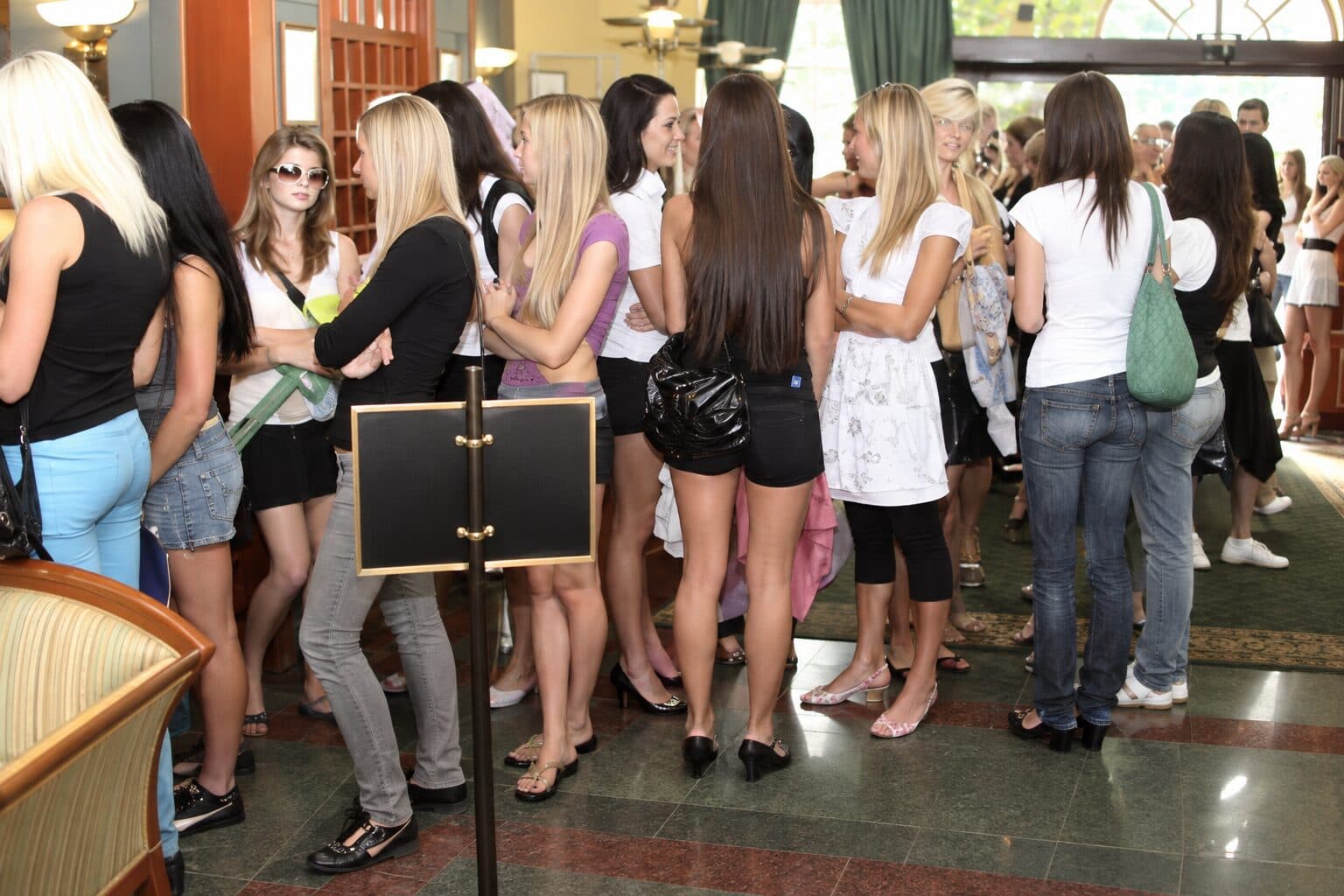 New facesModel casting: how to prepare, what to wear and what to bring
 Model agenciesSupermodels open call: how to apply and what happens next
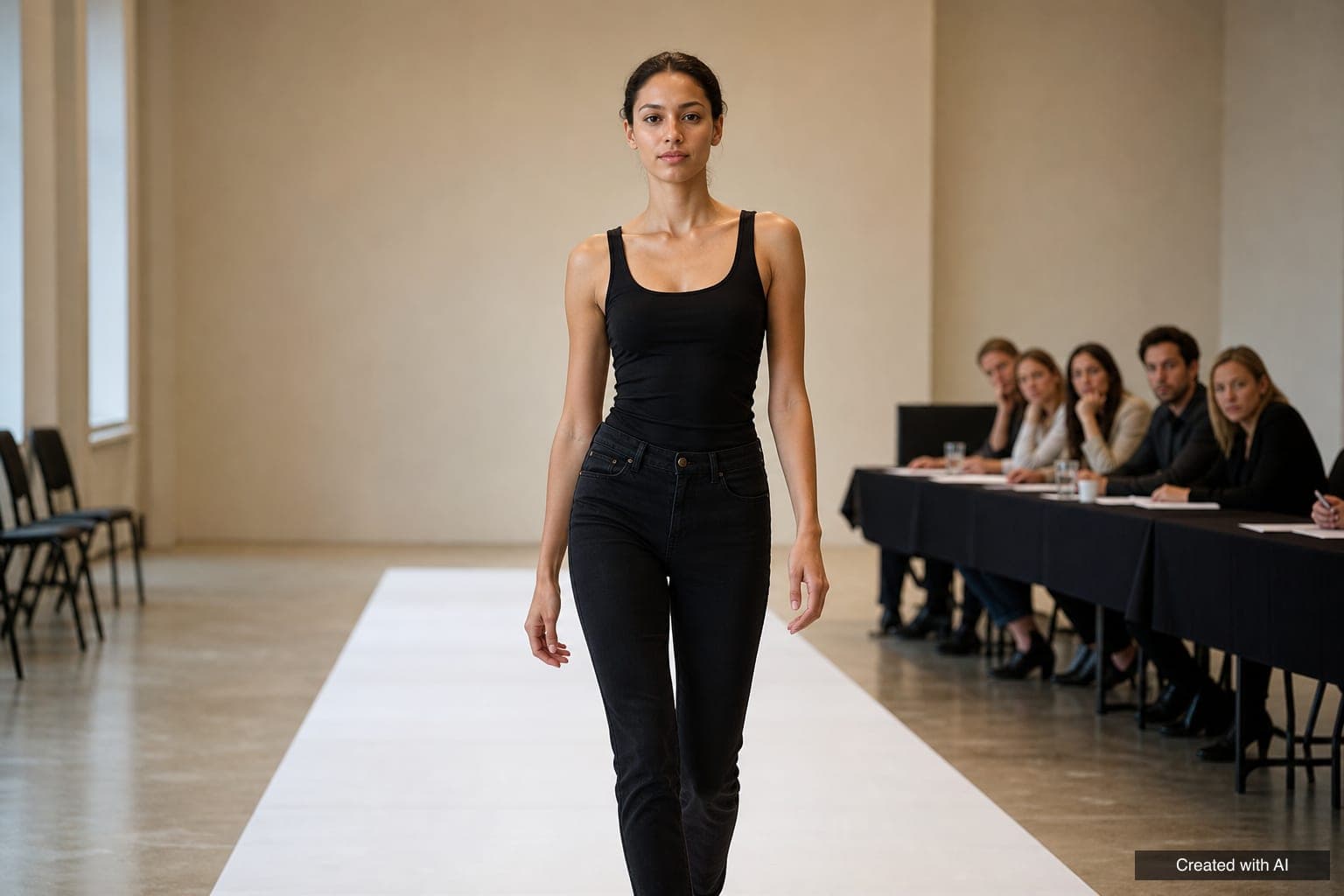 ModelsModeling competitions: how Elite Model Look and model searches work
 ModelsInstagram model: how to become one and what agencies see
 ModelsRunway model: requirements, the season and how to become one
 ModelsPlus size modeling agencies: how they work and how to vet one
 ModelsHow to become a plus size model: steps from first photos to work
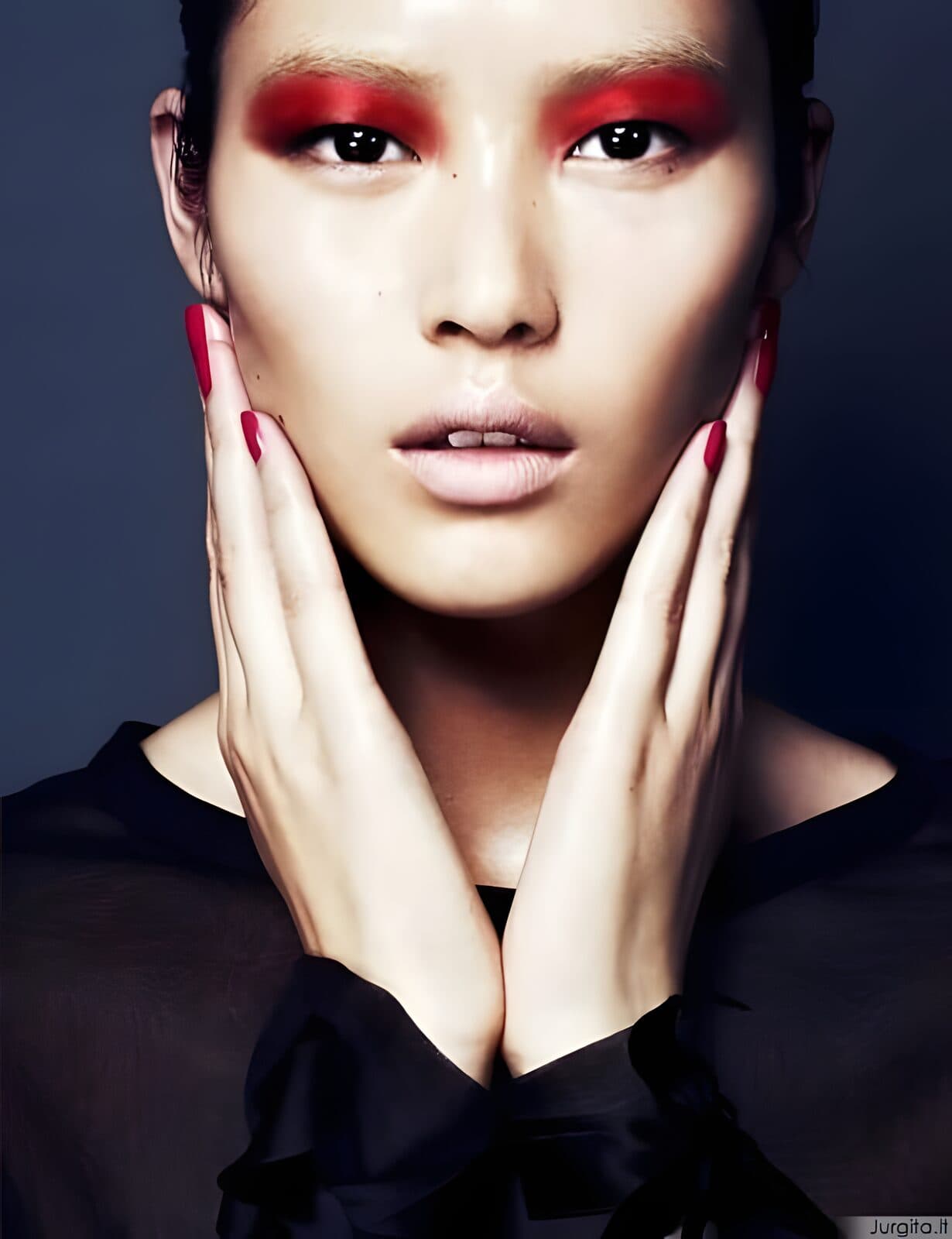 ModelsModeling in China: contracts, visas, castings and staying safe
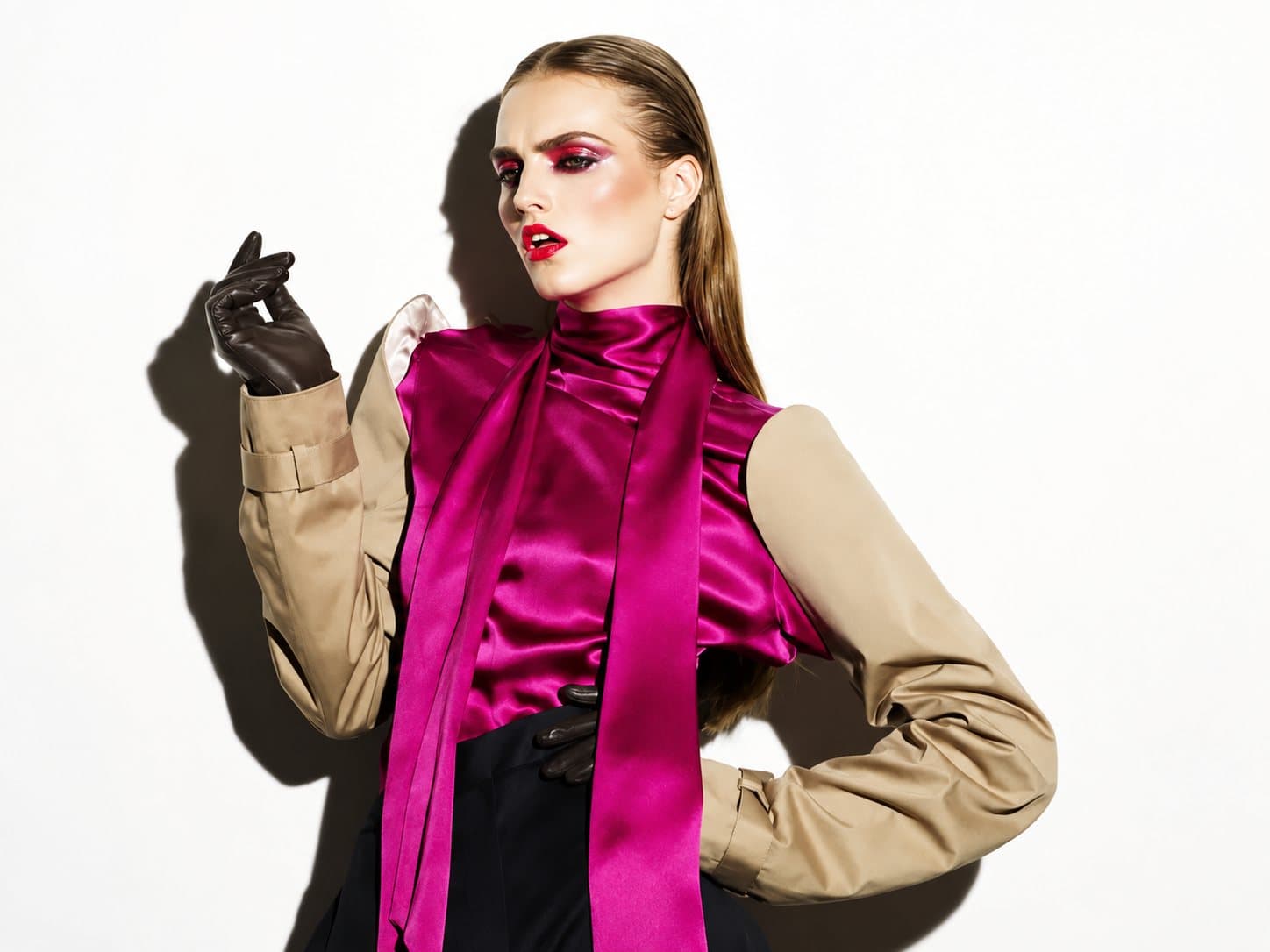 ModelsModel poses: how to pose for photoshoots and castings
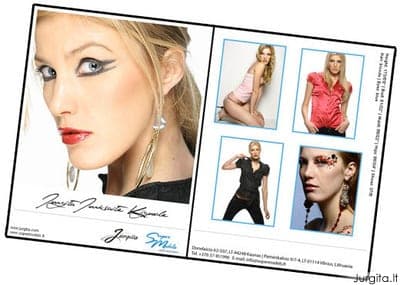 New facesComposite card for models: what it is and how to make one
Mentioned together
Topics
Brands and organisations
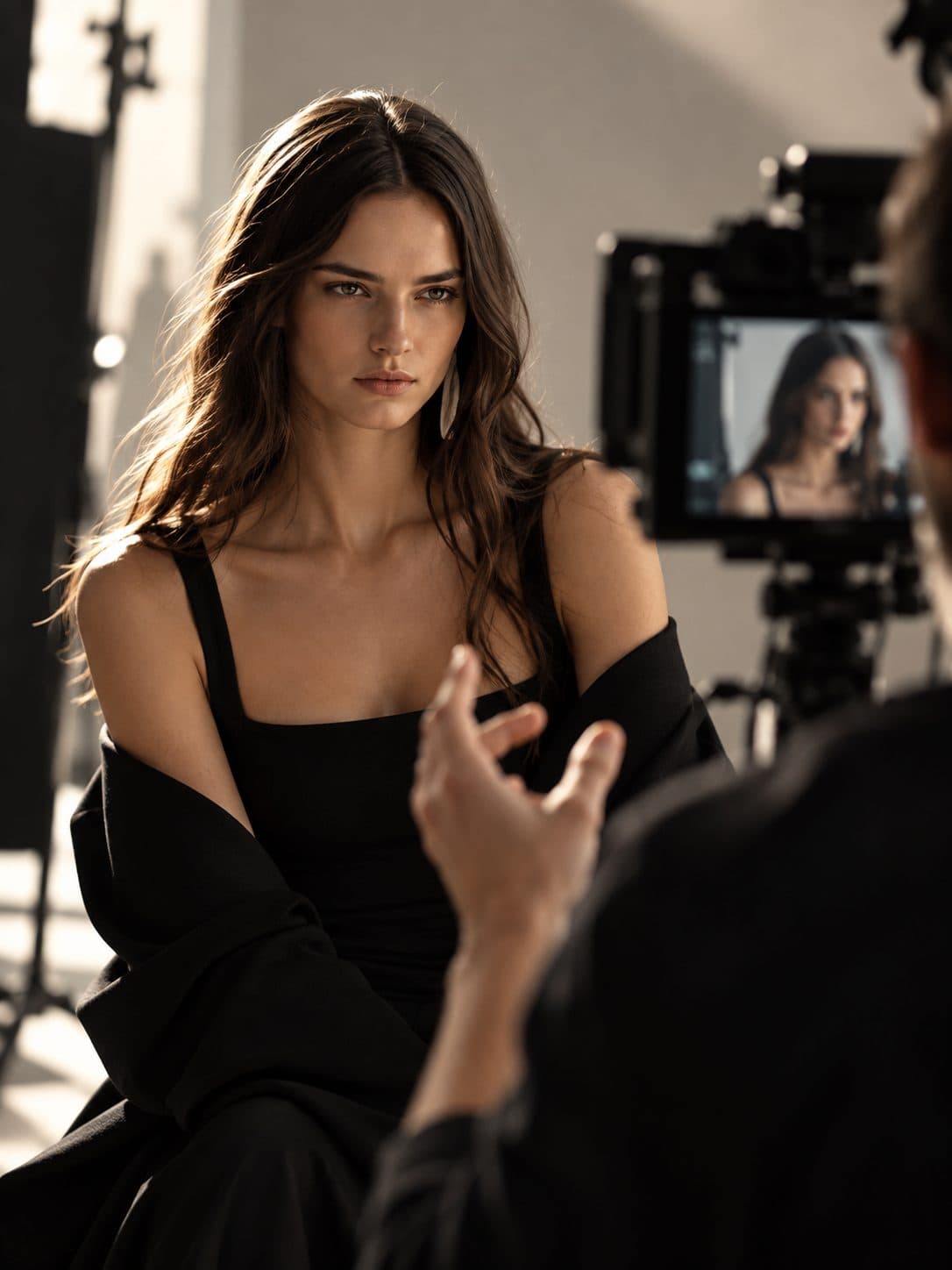 Model training with SupermodelsPractise on camera before a castingThe walk, posing and a 20-second introduction: what an agency sees first, practised with the Supermodels team.About the trainingfrom €69
Frequently asked
01What should I wear to a model casting?
Wear plain, fitted clothes that show your proportions. Arrive without make-up and with clean, natural hair.
02Do you have to pay for a model casting?
No. Professional agencies do not charge for castings, open calls or applications.
03Do I need professional photos for a casting?
No. Simple, unfiltered digitals taken in daylight are enough for a first application or open call.
04How long does a casting decision take?
It can take from a few days to a few weeks. No answer usually means the client selected a different type.
05Do models have to pose at castings?
It depends on the market. Neutral digitals may be enough in the West, while Asian castings commonly require posing.