Plus-size models
Plus-size modeling is the commercial and fashion work of presenting larger-size clothing, products and services. Agencies may call it plus, curve or extended-size modeling. There is no universal size cutoff because US, UK and EU scales differ, and agencies set their boards according to client demand. Measurements and proportions usually matter more than the number on a label.
Understanding the category helps aspiring models choose suitable agencies, prepare accurate applications and avoid misleading promises. It also helps shoppers and viewers distinguish visible representation from practical inclusion, such as whether the clothes shown in a campaign are actually produced in those sizes.
Guides and tools on this topic
- CatalogueModeling agency catalogue
- ToolClothing sizes and measurements
- GuideModeling terms
Rubrics that cover it
How plus-size modeling works
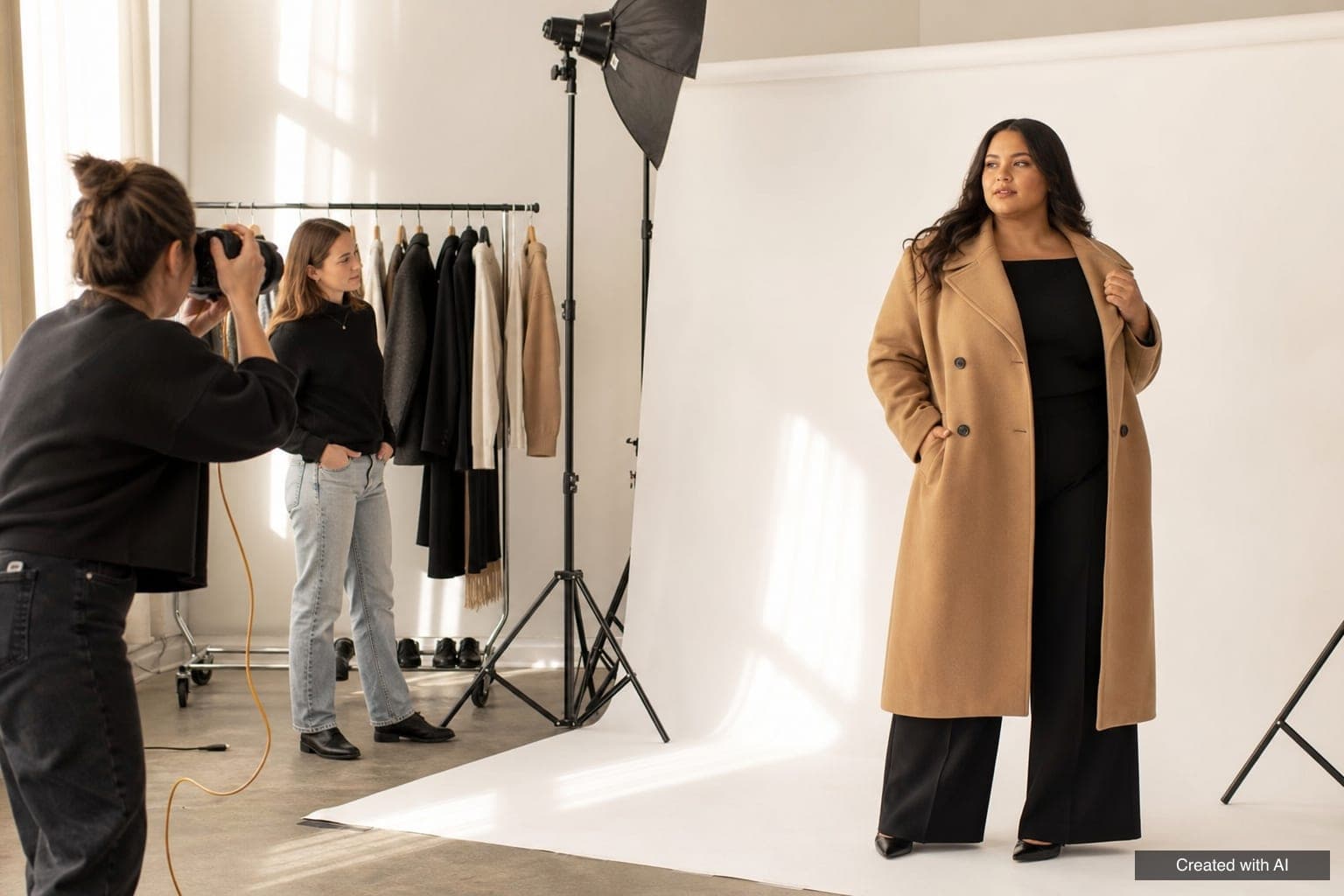
The work includes e-commerce, catalogues, advertising, lingerie, swimwear, sportswear, occasionwear and fit modeling. Commercial bookings make up more of the market than runway or editorial jobs. Models may be represented on a dedicated curve board within a general agency or by a specialist agency.
There is no fixed salary. A booking may include a day or hourly fee and a separate payment for how the images are used. The agency then deducts commission and any agreed expenses. Income can vary considerably between months.
How to start and what to avoid
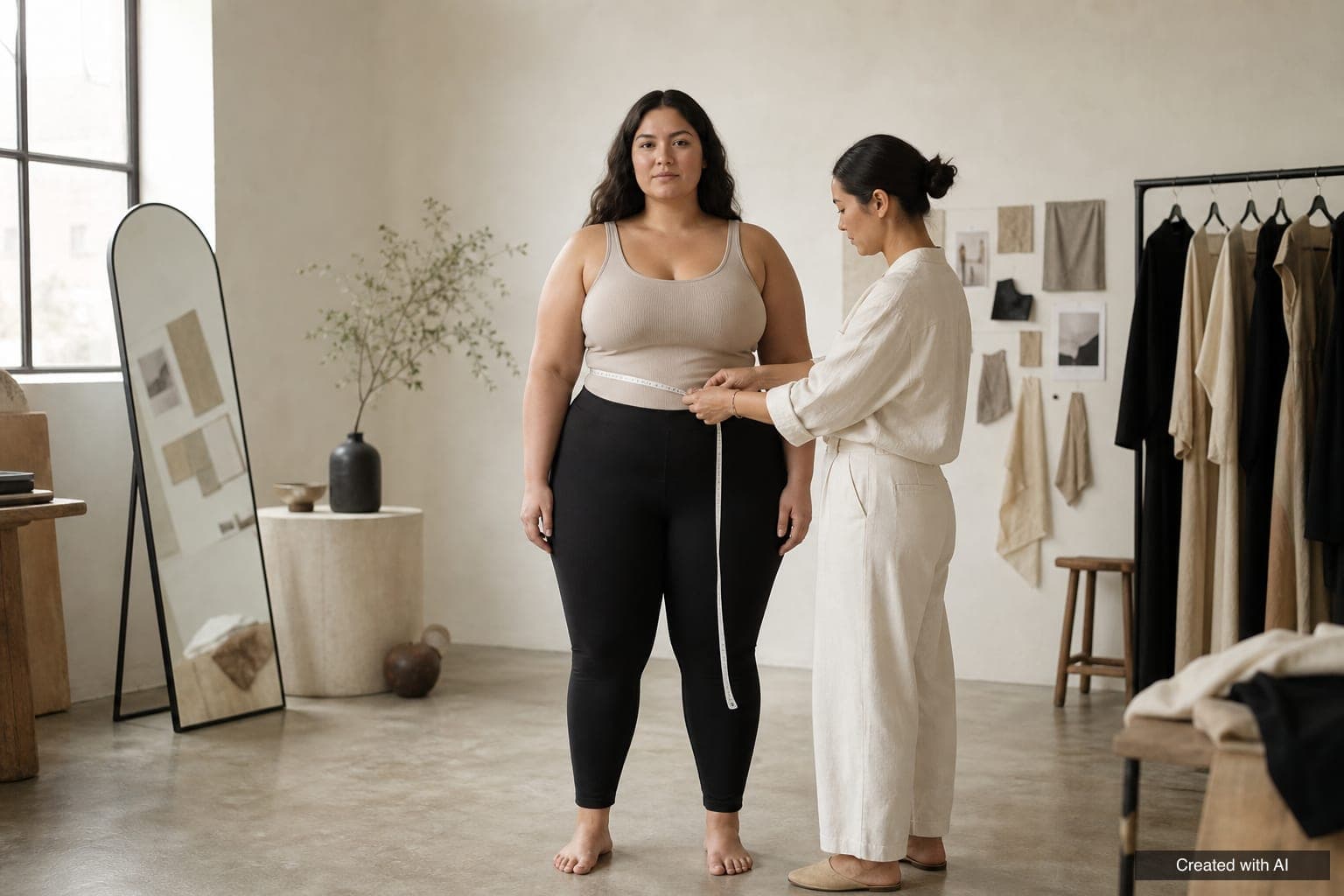
Measure your height, bust, waist and hips accurately, then take plain front, side and full-length photos in daylight without makeup or filters. Check whether an agency represents curve models before applying. A rejection may simply mean that its current board already has models in your category.
Do not pay to apply, attend a meeting or secure representation. Check that the agency exists, ask about clients and references, and read the contract before signing. Avoid anyone who guarantees bookings or income. Agencies need to assess your natural size and proportions, so changing your weight to fit a category is not required.
All stories on this topic (13)
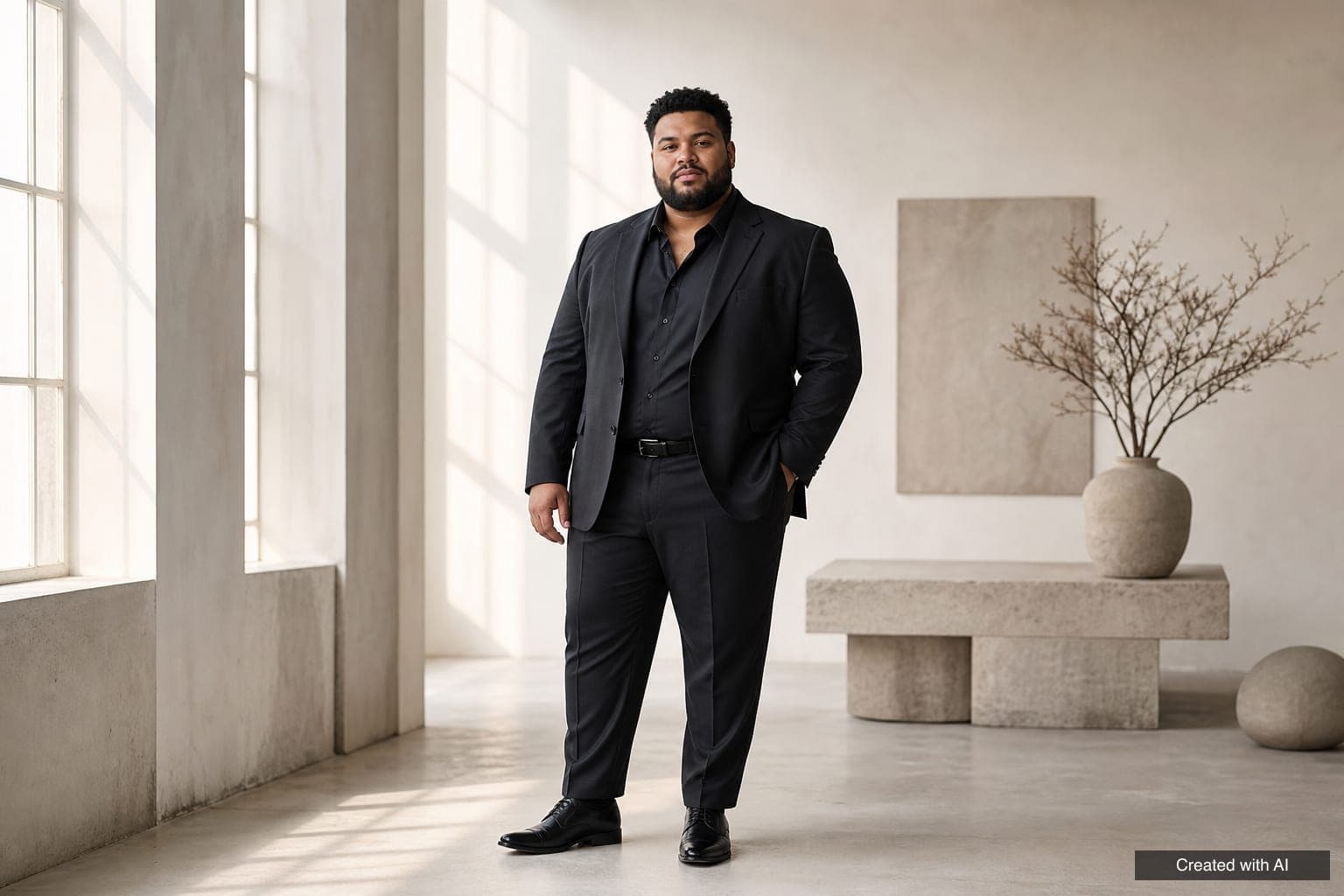 ModelsPlus size male models: sizes, work and how to start
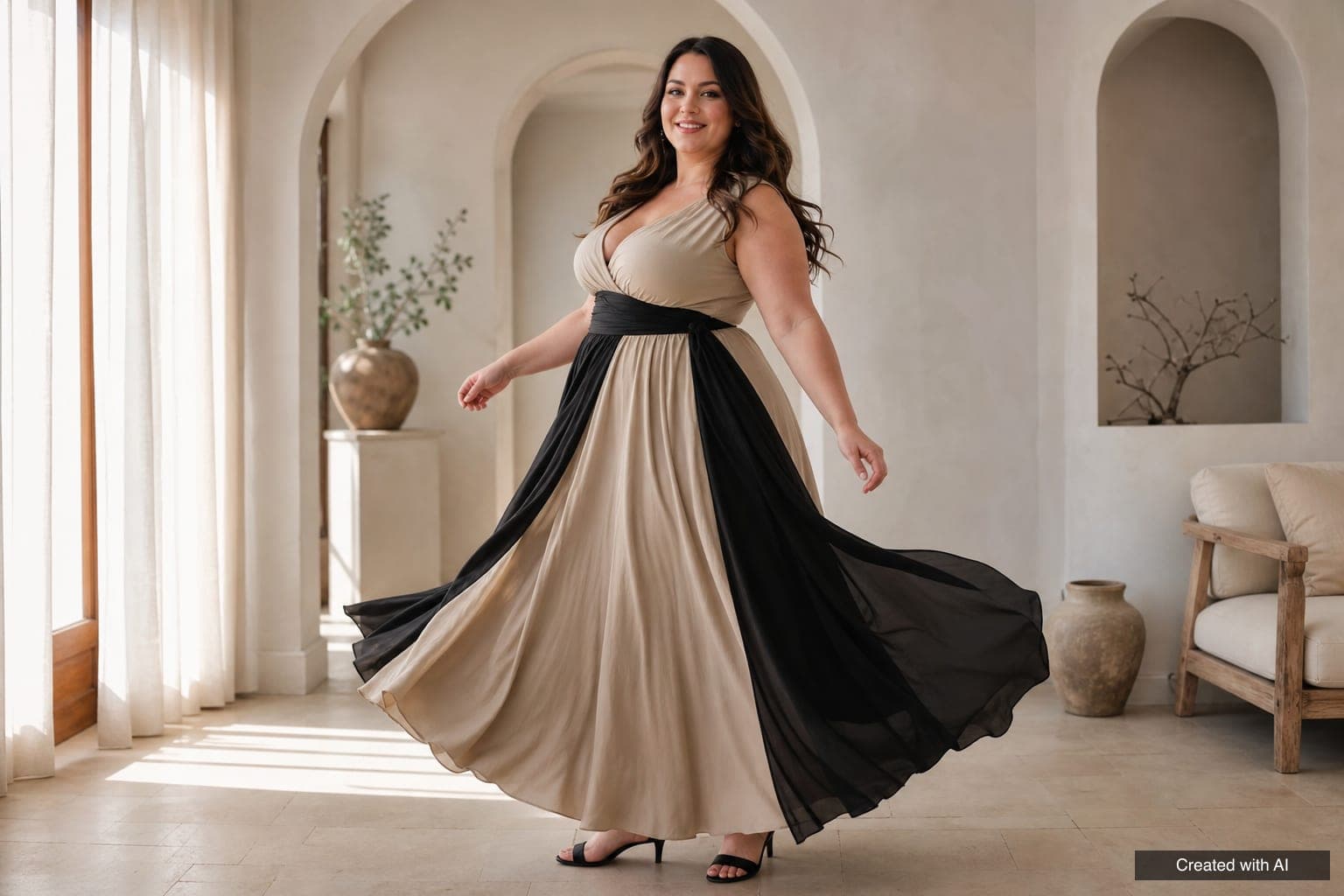 ModelsPlus-size dresses: how to choose by occasion and shape
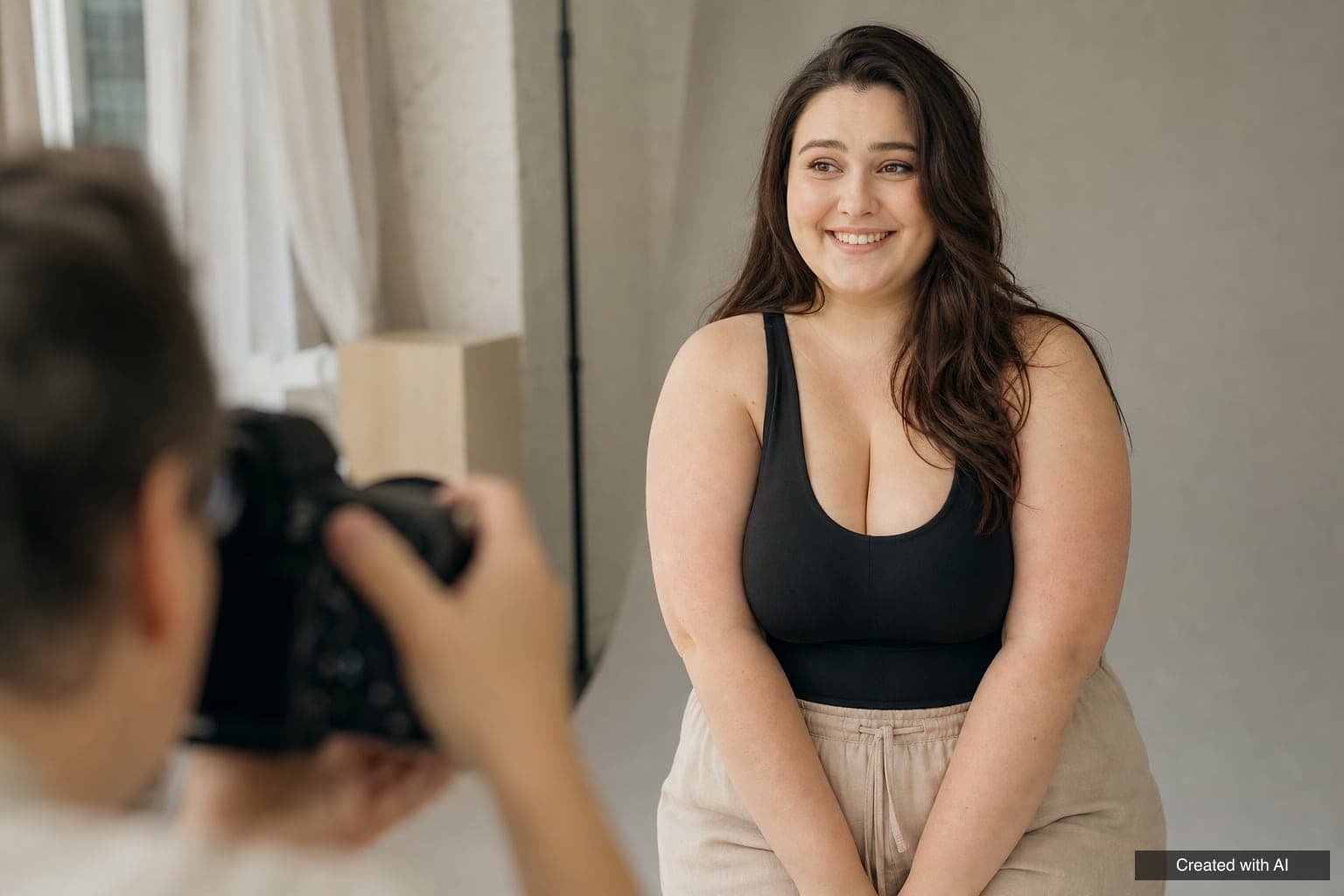 ModelsHow to become a plus size model: steps from first photos to work
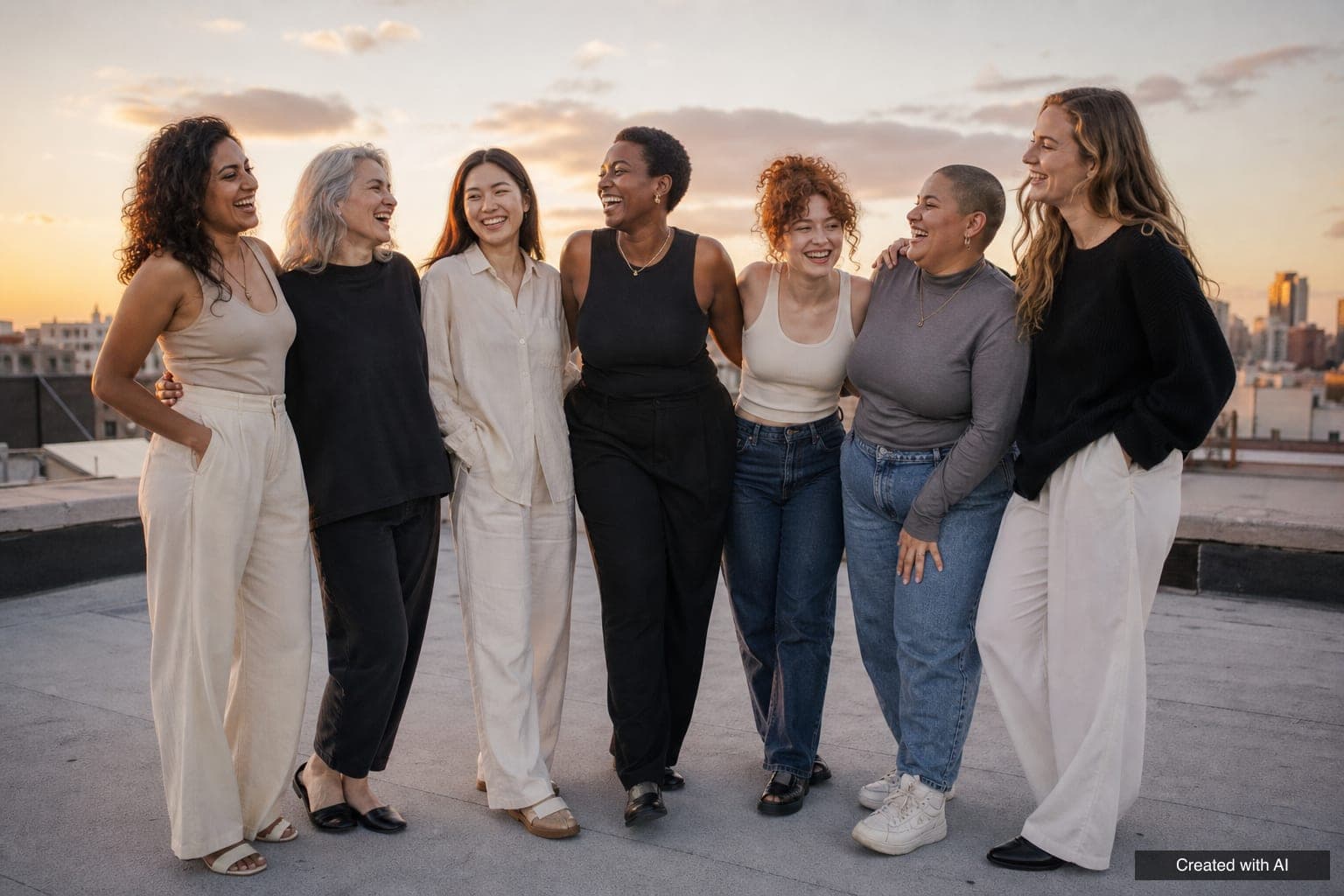 ModelsBody diversity in fashion and modeling: history and data
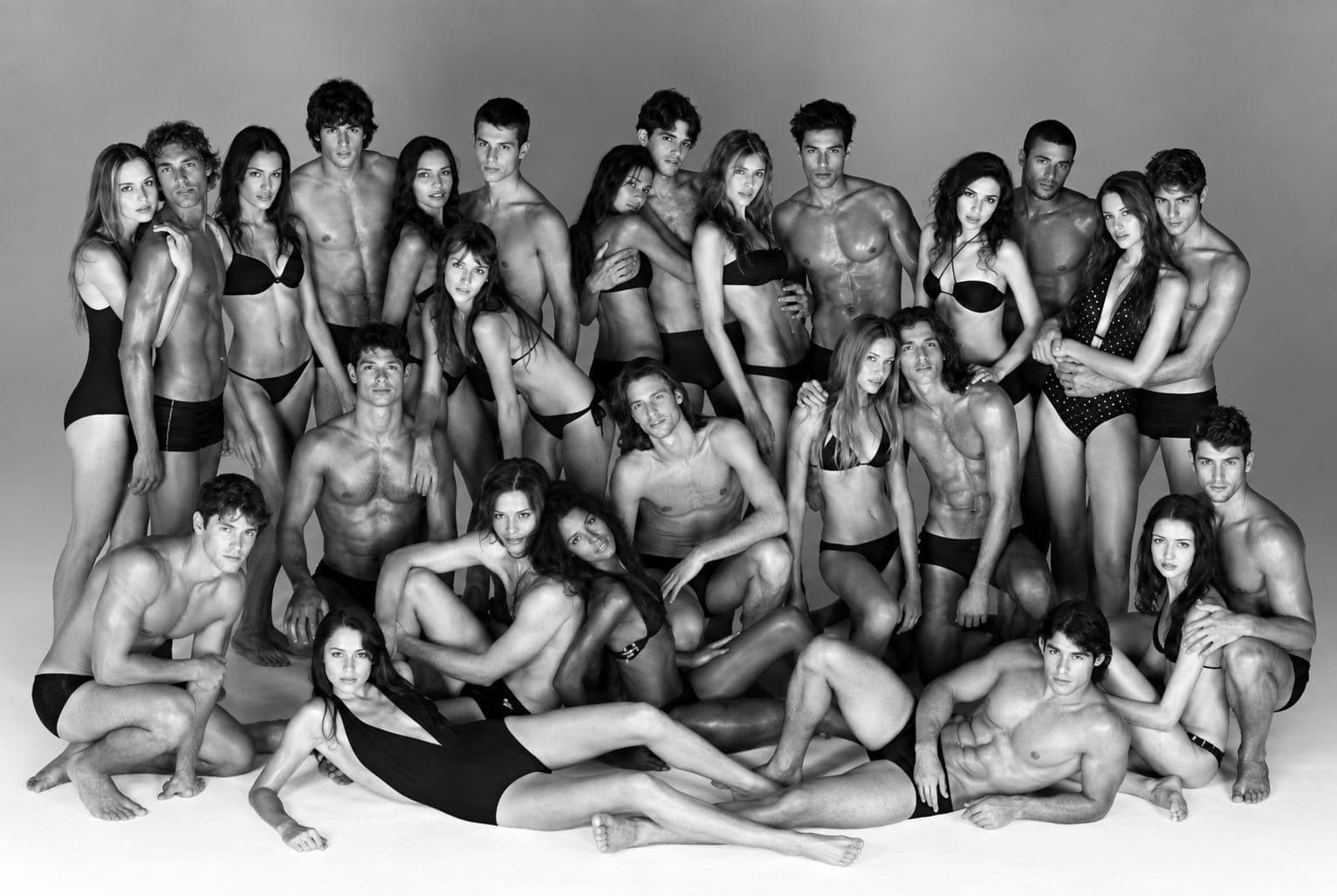 New facesHow to become a model: height, age, types and first steps
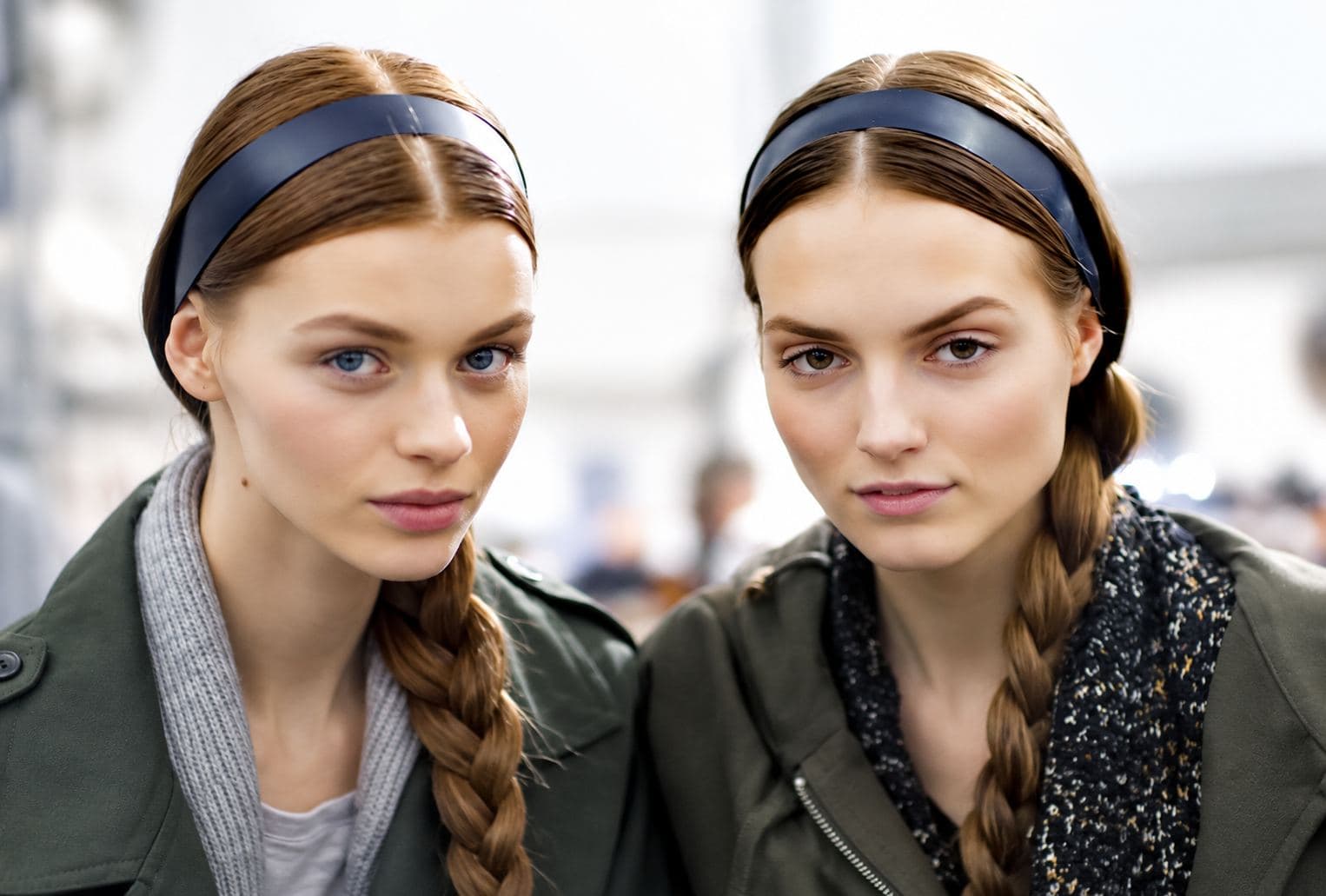 Model agenciesSupermodels open call: how to apply and what happens next
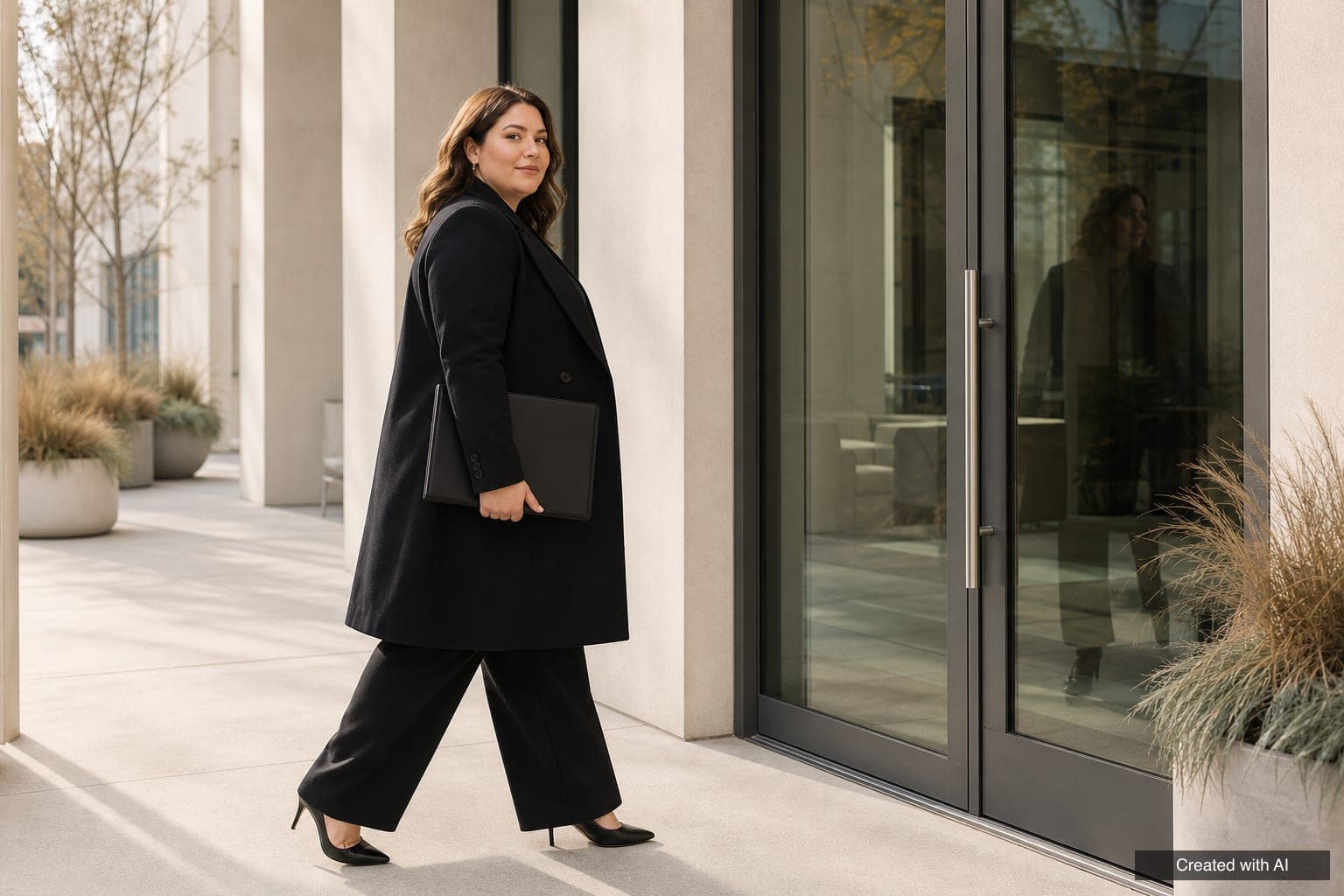 ModelsPlus size modeling agencies: how they work and how to vet one
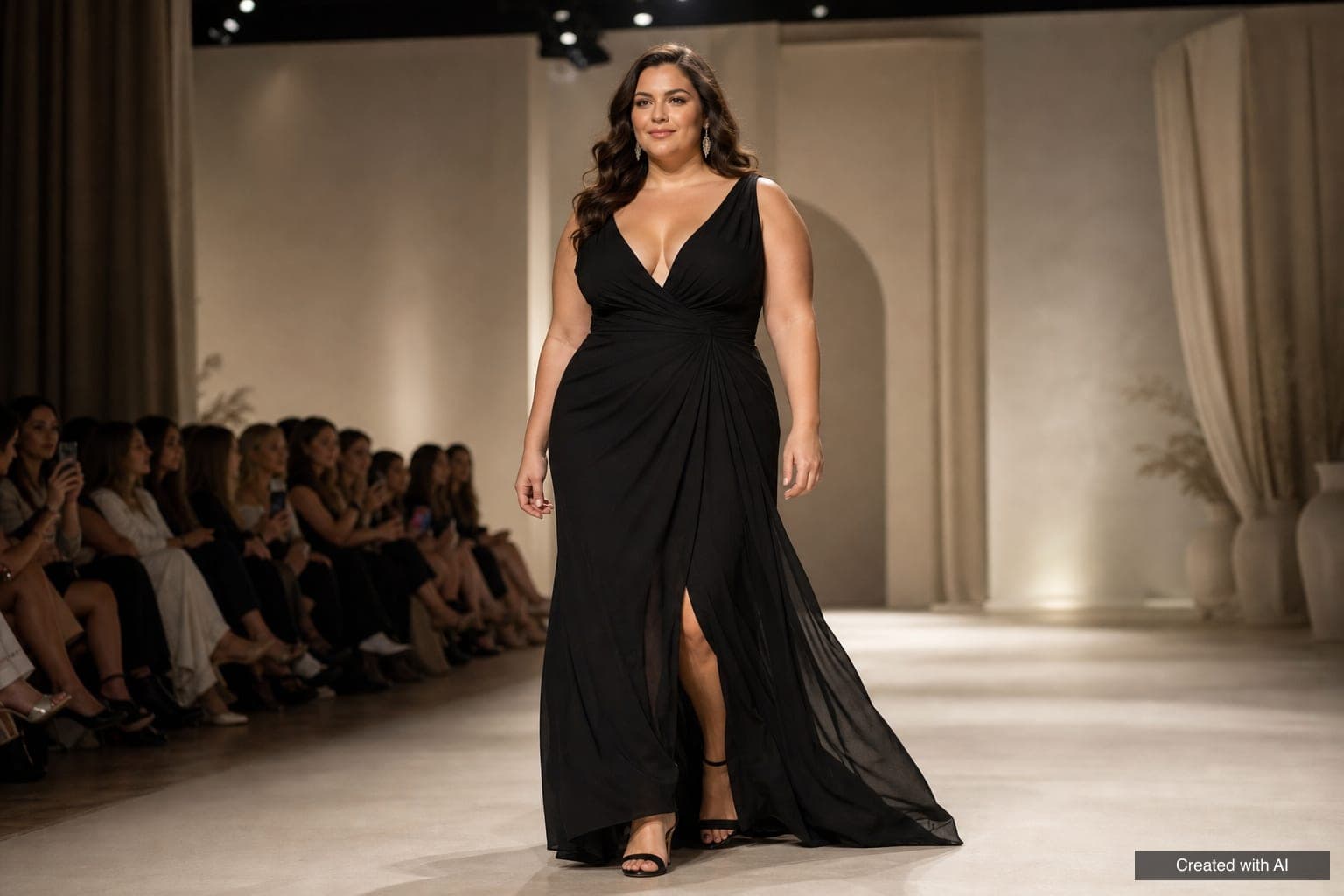 ModelsFamous plus size models: who they are and what they changed
Mentioned together
Topics
People
Brands and organisations
Events
Frequently asked
01What size is considered plus size for modeling?
There is no single cutoff. Definitions vary by market and agency, with measurements and proportions often carrying more weight than the dress-size label.
02Do plus-size models need to be tall?
Height matters little for many commercial jobs. Fashion and editorial curve boards usually apply stricter height preferences.
03Do I need experience or professional photos?
No. Agencies accept beginners and generally ask for simple, unfiltered phone photos plus accurate measurements.
04Should I pay a modeling agency to apply?
No. A legitimate agency earns commission from work it books and does not charge to receive an application or secure a place.
05Can older adults become plus-size models?
Yes. Commercial advertising casts people of many ages, and some agencies have no upper age limit, although fashion boards can be narrower.