

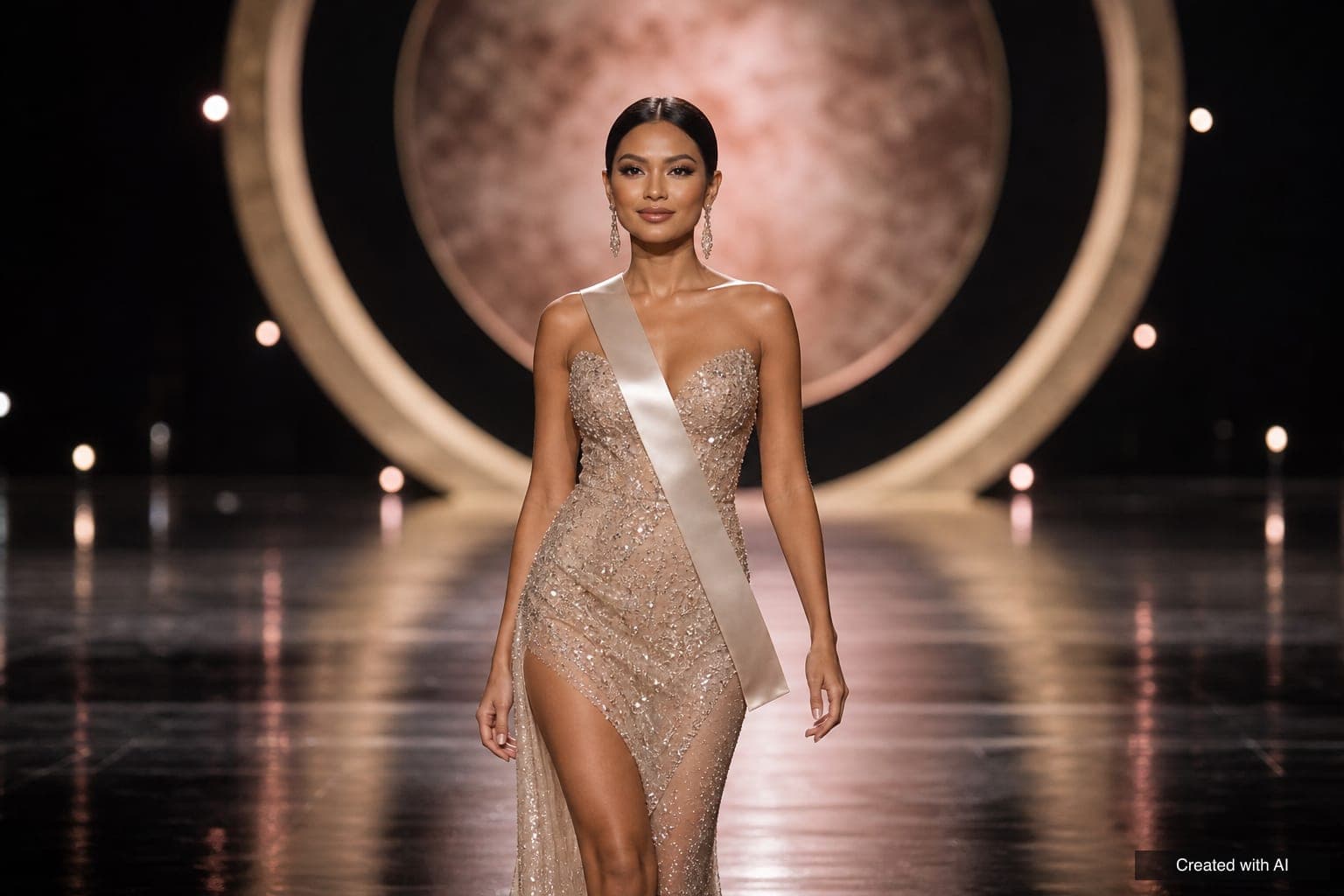
In short
- Miss Universe accepts women aged 18 and over. Since 2024 there is no upper age limit, and since 2023 married women, mothers and pregnant women can compete.
- Miss World is stricter: in 2018 Miss Ukraine lost her title because she was a mother and had been married. The exact age range is published by each country's organiser.
- You can only reach the international final through your country's national pageant, run by a licensed national director. There is no direct sign-up for Miss Universe.
- Before paying any fee, ask for proof of the licence and the rules in writing.
Miss Universe and Miss World are the best-known beauty pageants in the world, and together with Miss International and Miss Earth they are called the Big Four. Each year national winners from well over a hundred countries take part, and the road to the international stage starts much earlier, with local castings and a national final.
The rules have changed a lot in the last few years, so there is plenty of outdated advice online. This guide collects what the organisations themselves and reliable sources say: the age rules, whether mothers can compete, how countries win the right to send a delegate, and how to prepare. For the story of Lithuania's own national pageant, see Miss Lithuania.

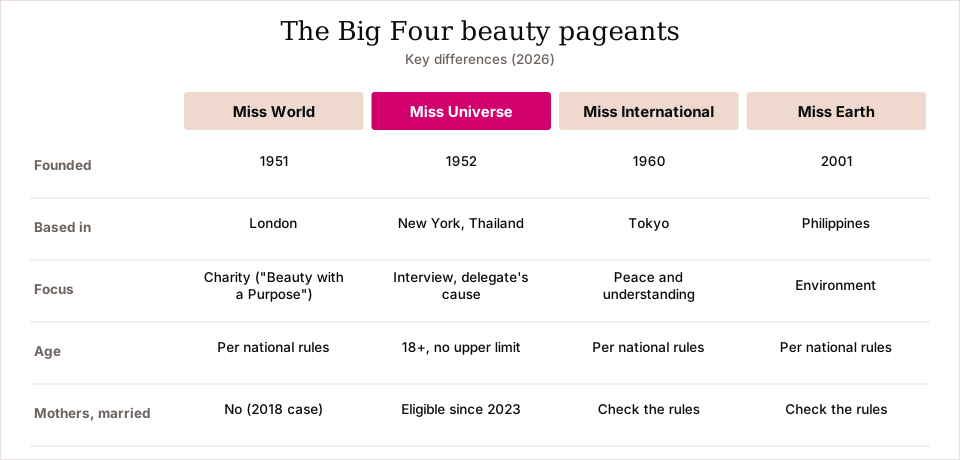
The Big Four: Miss Universe, Miss World, Miss International, Miss Earth
The four major pageants differ in history and in what they emphasise:
- Miss World is the oldest international pageant still running. Eric Morley founded it in the United Kingdom in 1951. Its motto, "Beauty with a Purpose", is tied to charity projects.
- Miss Universe was first held in 1952 in Long Beach, California, founded by a swimwear manufacturer. Today the organisation is based in New York and Thailand.
- Miss International has run since 1960 and is now based in Tokyo. It promotes peace and mutual understanding.
- Miss Earth has been held in the Philippines since 2001 and focuses on the environment: delegates take part in tree planting, school visits and eco-fashion projects.
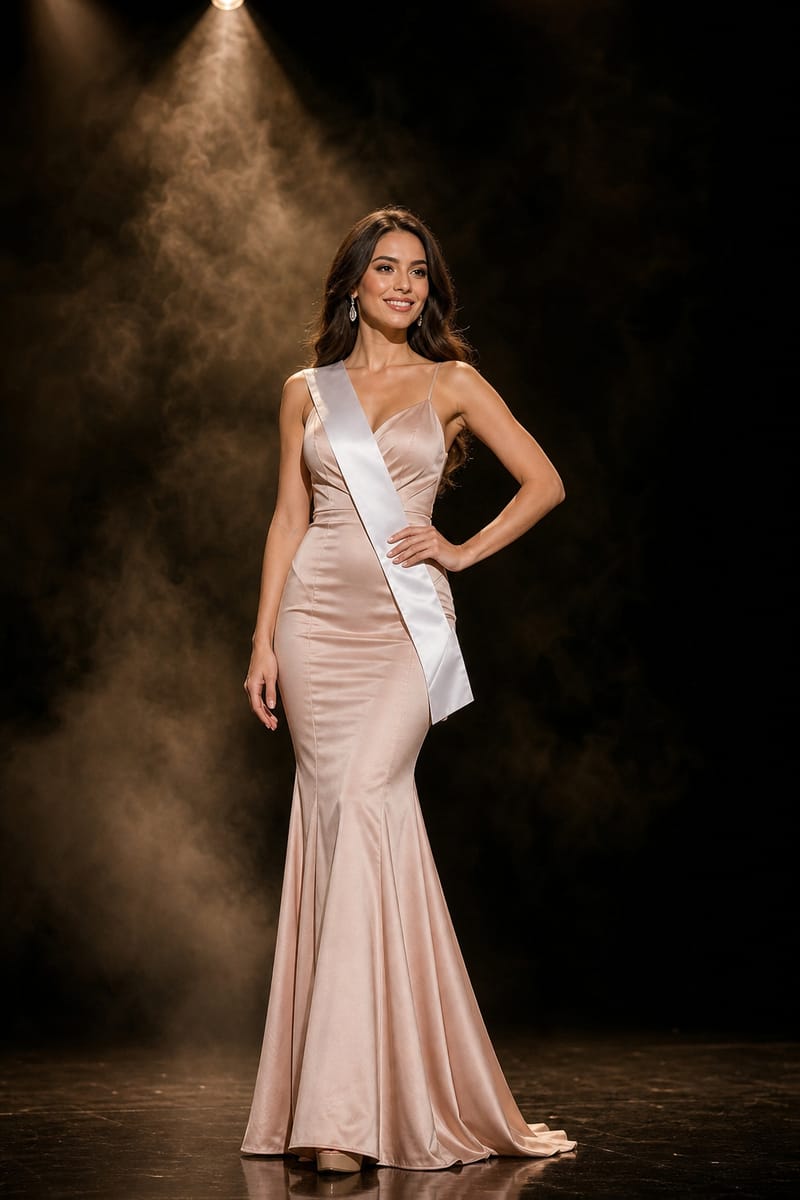
Miss Universe requirements
The Miss Universe Organization (MUO) dropped several old restrictions in just a few years. The main rules today:
| Rule | Now | Before |
|---|---|---|
| Minimum age | 18 | 18 |
| Upper age limit | None (since 2024) | 28 |
| Married or divorced women | Eligible (since 2023) | Not eligible |
| Mothers and pregnant women | Eligible (since 2023) | Not eligible |
| Transgender women | Eligible (since 2012) | Not eligible |
| How to qualify | Only through a national pageant or selection | Same |
The changes came in two steps. In August 2022 the organisation announced that from the 72nd pageant in 2023, mothers, married and pregnant women could compete. That same year Colombia's Camila Avella became the first mother to reach the top five. In September 2023 the reigning Miss Universe, R'Bonney Gabriel, announced that the upper age limit of 28 would be dropped from 2024.
The minimum age of 18 is strict. Some countries let 17-year-olds enter their national pageant, but if the national winner will not be 18 in time, a runner-up goes to the international final instead. In recent years delegates have also been expected to hold a university degree or work in a profession, because the interview and each delegate's cause carry real weight.
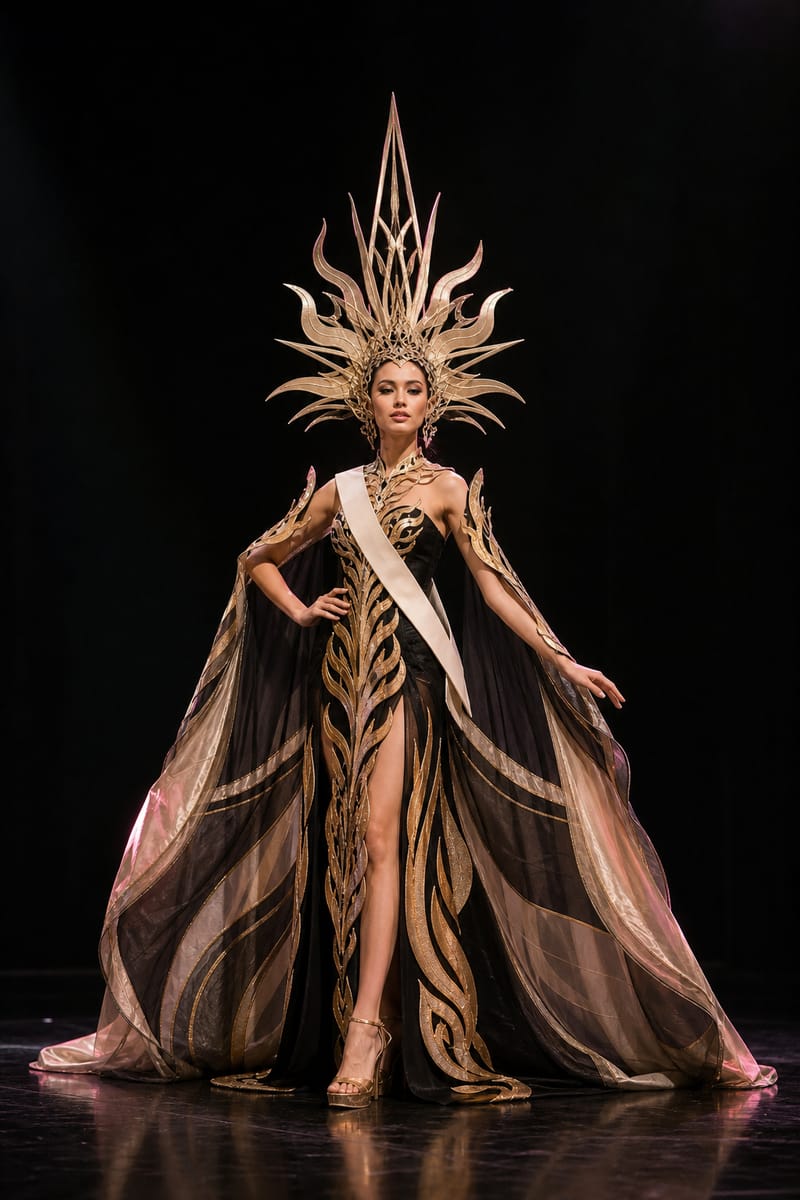
Miss World requirements
Miss World has kept more conservative rules. The best-known case is Veronika Didusenko: crowned Miss Ukraine in 2018, she lost the title days later when it emerged that she had a son and had previously been married. The Miss World Organization defended its rules as reflecting the values of many cultures; Didusenko called them discriminatory and took legal action.
The exact age range for Miss World and other pageants is set out in each national organiser's rules, and it sometimes changes. Always ask for the current season's rules in writing and check age, marital status, citizenship and your duties if you win.
How licences and national directors work
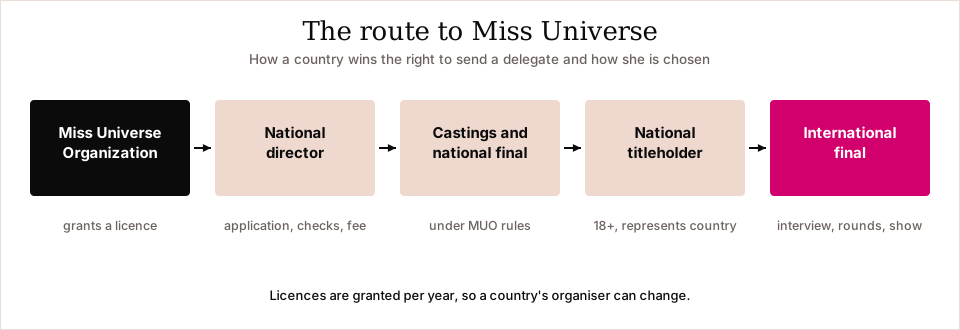
No country has an automatic right to compete at Miss Universe. The right to run a national pageant and send a delegate is licensed to one person or company, the national director. According to MUO's published terms, a national director must:
- apply with details of finances, team, sponsors, a business plan and the judge selection process;
- pay a 1,000 US dollar application fee that covers background and financial checks, and, once licensed, a licence fee for the territory;
- run a national pageant that meets the organisation's rules, hold liability insurance and follow employment and immigration law;
- prepare the winner for the international final and handle her travel, wardrobe and media.
Applications open in the fourth quarter, decisions are made in December and new licences are granted in the first quarter of the following year. That is why licence holders change often and why some countries have no delegate at all in a given year, as happened to Lithuania in 2015.
How to become Miss Universe: step by step
- Find your country's licence holder. Official national websites and social accounts announce casting dates. If your country has no licence holder that year, there is no casting.
- Check that you meet the rules. Age, citizenship or long-term residence, documents and duties if you win.
- Prepare your application. Usually a headshot and full-length photos, a short bio, your motivation and a description of your cause (platform).
- Take part in the casting and national final. Judges look at presence, walk, posture, the interview and how you present yourself and your goal.
- If you win, prepare for the international final. It is preceded by weeks of events, closed-door interviews with the judges, preliminary rounds and a national costume show.
Stage preparation has a lot in common with modelling. Our guides on how to walk like a model and how to walk in heels help with the walk, an image consultation helps with speaking and styling, and the types of dresses guide and the black tie dress code explain gown choices.

How much does it cost to enter a pageant?
At a legitimate major pageant, the national director and sponsors usually organise and pay for the winner's trip to the international final. Contestants still tend to invest in their own preparation. There is no single figure, because costs vary widely between countries and pageants, but the categories are similar:
| Cost | What it is | What to check |
|---|---|---|
| Entry fee | Some national and smaller international pageants charge one | Whether it is in the official rules and if it is refundable |
| Photos | Headshot and full-length shots for the application | Whether simple, unretouched photos are enough |
| Gowns and wardrobe | Evening gown, cocktail outfit, heels | Whether sponsors lend gowns |
| Coaching | Walk, interview, public speaking, image | Whether coaching is mandatory and who runs it |
| Travel | Castings, rehearsals, the international final | Who pays for travel and accommodation |
If an organiser asks for a large sum for a "package" or a "guaranteed place", the money is being made from contestants rather than from sponsors and broadcasters.
How the international final is judged
Formats change, but most major pageants share similar elements: a closed-door interview with the judges, preliminary rounds (usually swimwear and evening gown), a national costume show, a presentation of each delegate's cause and a final question round. Miss World long included talent, sport and charity project rounds, and Miss Earth scores delegates on their environmental work.
Above all, the whole person is judged, not just appearance. The judges want to see whether a delegate can represent the organisation for a year: talk to the media, travel and lead charity events.
Lithuania at international pageants
Lithuania has sent delegates to Miss World since 1993 and to Miss Universe since 2012. They were mostly chosen at the national Miss Lithuania pageant: the winner went to Miss World and the first runner-up to Miss Universe. Miss Lithuania has not been held since 2015, so the choice of delegates now depends on who holds each pageant's licence that year. The history and list of winners are in our guide to Miss Lithuania.
Pageant or modelling career?
Pageants and modelling agencies value different things. A pageant rewards charisma, speaking and purpose; an agency looks at proportions, how you photograph and what clients want. A pageant season lasts less than a year, while a modelling career lasts as long as the bookings come. We compare the two in detail in pageant vs modeling.
If the runway and photo shoots appeal to you more than a crown, start with the types of modelling and how to choose an agency. Supermodels, Lithuania's leading agency, finds new faces through its open call (women 14 to 22, men 16 to 25), and applying is free. Supermodels is not connected to any beauty pageant and does not run them.
 Model training with SupermodelsTry it in practice with an agency teamIn the model training we work on the walk, posing and working on camera, one to one or in a small group.About the trainingfrom €69
What to avoid
- Organisers who cannot show a licence. Without a letter from the international organisation, there is no route to the big final.
- Paying for a place in the final. The major pageants do not sell places.
- Outdated information. Age and marital status rules changed in 2023 and 2024, so old articles and forum posts mislead.
- Signing without reading. A titleholder has duties for a year, and the organiser often gets rights to her image.
- Extreme weight loss. Your health matters more than any round. If you feel pressure about your body or food, talk to people close to you and to a professional.
FAQ
What is the Miss Universe age limit?
Delegates must be at least 18. Since 2024 there is no upper age limit; before that it was 28.
Can married women and mothers compete in Miss Universe?
Yes. Since 2023 married, divorced and pregnant women and mothers are eligible.
Can I sign up for Miss Universe directly?
No. You reach the international final only by winning your country's national pageant or selection, run by the licensed national director.
Can mothers compete in Miss World?
Miss World's rules are stricter. In 2018 Miss Ukraine Veronika Didusenko lost her title because she has a child and had been married. Check the current rules with your national organiser before applying.
What is the difference between Miss Universe and Miss World?
Miss Universe has run since 1952, has openly changed its rules in recent years and puts weight on the interview and each delegate's cause. Miss World is the oldest pageant, running since 1951, with the motto "Beauty with a Purpose" and stricter eligibility rules.
How much does it cost to enter a beauty pageant?
There is no single figure. Contestants usually invest in photos, wardrobe and coaching, and some pageants charge an entry fee. At a major pageant, the national director and sponsors usually organise the winner's trip to the final.
Sources
- Miss Universe Organization, "Miss Universe R'Bonney Gabriel Announces the End of Age Restrictions", 12 September 2023.
- Miss Universe Organization, "Become a National Director", checked October 2026 (licence terms, 1,000 USD application fee, timeline).
- The Independent, "Miss Universe makes inclusive change by allowing mothers and married women to compete", August 2022.
- BBC News, "Miss World: The rules banning mums taking part are 'discriminatory'", 1 December 2019.
- Wikipedia: Miss Universe, Miss World, Miss International, Miss Earth (founding years, headquarters, delegate selection, rule changes in 2012 and 2022–2023).
- 15min.lt / Žmonės.lt, "Lithuania left without a beauty queen in 2015" (in Lithuanian), 10 December 2015.





Comments (0)
No comments yet. Be the first!
Only logged-in users can comment. Register — and you'll be able to share your thoughts on this article.
Register