

In short
- The types of modeling differ less by looks than by who is paying: fashion houses need runway and editorial models, brands and online stores need commercial models, sportswear labels need fitness models and clothing makers need fit models.
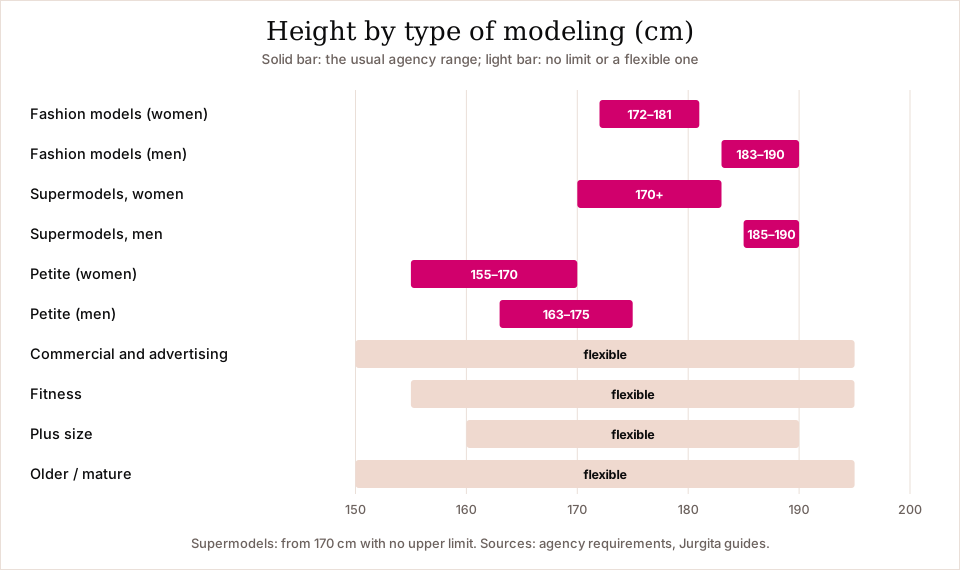
- Fashion work has the strictest requirements: usually 172–181 cm (about 5'8" to 5'11") for women and 183–190 cm (6'0" to 6'3") for men, starting at 16–21. Commercial, plus size, petite and older models have flexible height and age limits.
- Most of the work is commercial: advertising, catalogues and e-commerce. In small markets such as Lithuania almost all local bookings are of this kind, and fashion careers are built abroad through a mother agency.
- Parts and fitness modeling are real specialist niches only in the largest advertising markets. Elsewhere the same jobs go to ordinary commercial models.
When someone says "I want to be a model", they usually picture a Paris runway or a magazine cover. That is a small slice of the job. Far more people spend their days shooting for online stores, filming commercials, presenting products at trade shows, standing in for designers at fittings or advertising sportswear. They are all models. They just work in different types of modeling, with different requirements and a very different rhythm.
This guide lists the types of modeling that agencies and clients recognise: what each one involves, what clients look for, how it pays and where the work is. It draws on more than 20 years of experience at the Supermodels agency in Vilnius and on public sources. The larger types each have their own in-depth guide, linked from the sections below.
What the types of modeling are and why they matter
A model is someone who poses for photographers, artists or clients to show a garment, a product or an idea. The U.S. Bureau of Labor Statistics describes the job the same way: models display clothing and merchandise in print and online ads, appear in TV commercials, walk in runway shows, represent brands at conventions and trade shows, and work as fit models so that manufacturers can get the fit of new styles right.
 Model training with SupermodelsTry it in practice with an agency teamIn the model training we work on the walk, posing and working on camera, one to one or in a small group.About the trainingfrom €69
The different types exist because clients need different things. A fashion house needs its sample garment to fit without alterations, so height and measurements are strict. A bank or a food brand needs a face shoppers will trust, so warmth matters more than centimetres. A hand cream campaign may need only hands. Agencies organise their models into boards on the same basis: fashion, commercial, curve, classic and so on. The model board entry in our glossary explains how that works.
Knowing your type is useful for two reasons. You will not spend years chasing work your measurements rule out, or miss the market that is waiting for you. And you will spot dishonest offers faster: if a so-called agency promises runway work to a woman of 160 cm or asks you to pay for a "model course" first, it is making money from you, not with you.
All types of modeling in one table
The summary below is a guide, not a rulebook. Agencies apply the numbers flexibly and will sometimes take on a model with a striking look who misses one of them. The pay column compares the types with each other; for actual figures see how much models make.
| Type | Who books it | Height and age | Pay | Where the work is |
|---|---|---|---|---|
| Runway model | Fashion houses, designers, fashion weeks | Women 172–181 cm, men 183–190 cm; start at 16–21 | Shows pay little but lead to campaigns | Paris, Milan, London, New York |
| Editorial / high fashion | Fashion magazines | As for runway, with a memorable look | Low or a token fee | Fashion capitals; value is in the portfolio |
| Print model | Photographers, brands, publishers | Depends on the job | Per shoot | Everywhere; the most common work |
| Commercial and advertising | Brands, ad agencies, TV | Flexible, all ages | Highest, especially with usage fees | Every market; the bulk of bookings |
| Catalog and e-commerce | Clothing brands, online stores | Standard sizes, average to tall | Steady day rate | Every market, year round |
| Promotional model, hostess | Events, trade shows, shopping centres | Flexible; people skills matter | Hourly, modest | Every market, seasonal |
| Fitness model | Sportswear brands, gyms, supplement ads | Athletic build, flexible height | Per campaign | Large markets; rarely a separate board elsewhere |
| Fit model | Designers, garment manufacturers | Exact, stable sample-size measurements | Hourly, regular | Fashion and manufacturing centres |
| Parts model | Beauty, jewellery and footwear ads | Exceptionally cared-for hands, feet or legs | Hourly, high in big markets | New York, Los Angeles, London |
| Plus size | Extended-size fashion, beauty, sportswear | From US size 12, flexible height | As commercial | Strongest in the US and UK |
| Petite | Petite ranges, e-commerce, beauty | Women about 155–170 cm | As commercial | Commercial work everywhere |
| Older / mature | Advertising, fashion for older shoppers, pharma | From 30–35 upward, flexible height | As commercial | Growing, especially in big markets |
| Male models | Menswear brands, advertising | 183–190 cm, 16–25 for fashion | On average lower than women | Every market; less competition |
| Showroom model | Fashion house showrooms, wholesale fairs | Exact sample size | Day rate during the season | Paris, Milan |
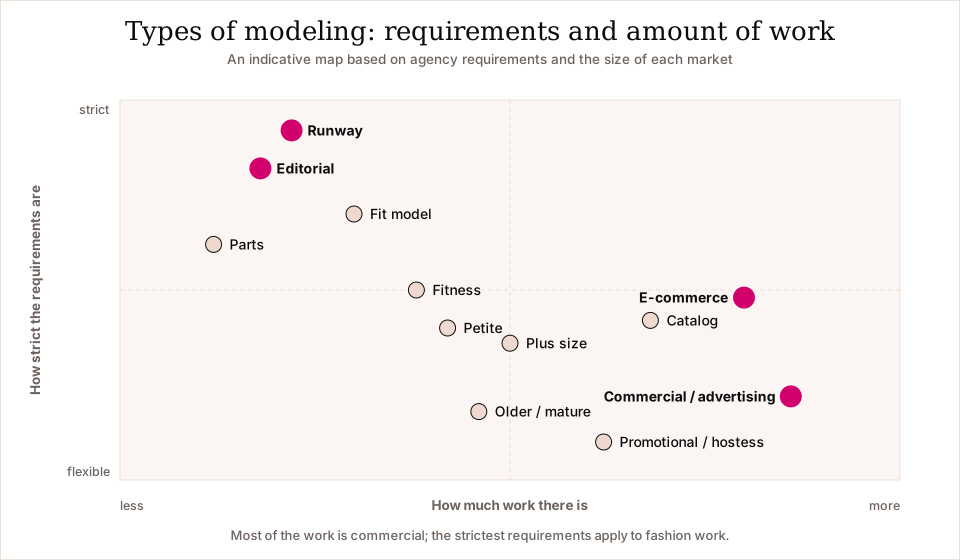
The table shows one simple rule. The stricter the requirements, the fewer the jobs, but the greater the prestige and the international reach. The more flexible the requirements, the more bookings there are, and the more competition. Most models work across several types over a career: a fashion model who walks in Milan in September may spend the winter shooting e-commerce and advertising.
Print model: what the work involves
A print model works in front of a camera rather than on a runway: magazine shoots, advertising, catalogues, online stores, packaging, posters and social media content. In some languages, Lithuanian included, the word for "photo model" is used for every model, but in the industry it means photographic work specifically.
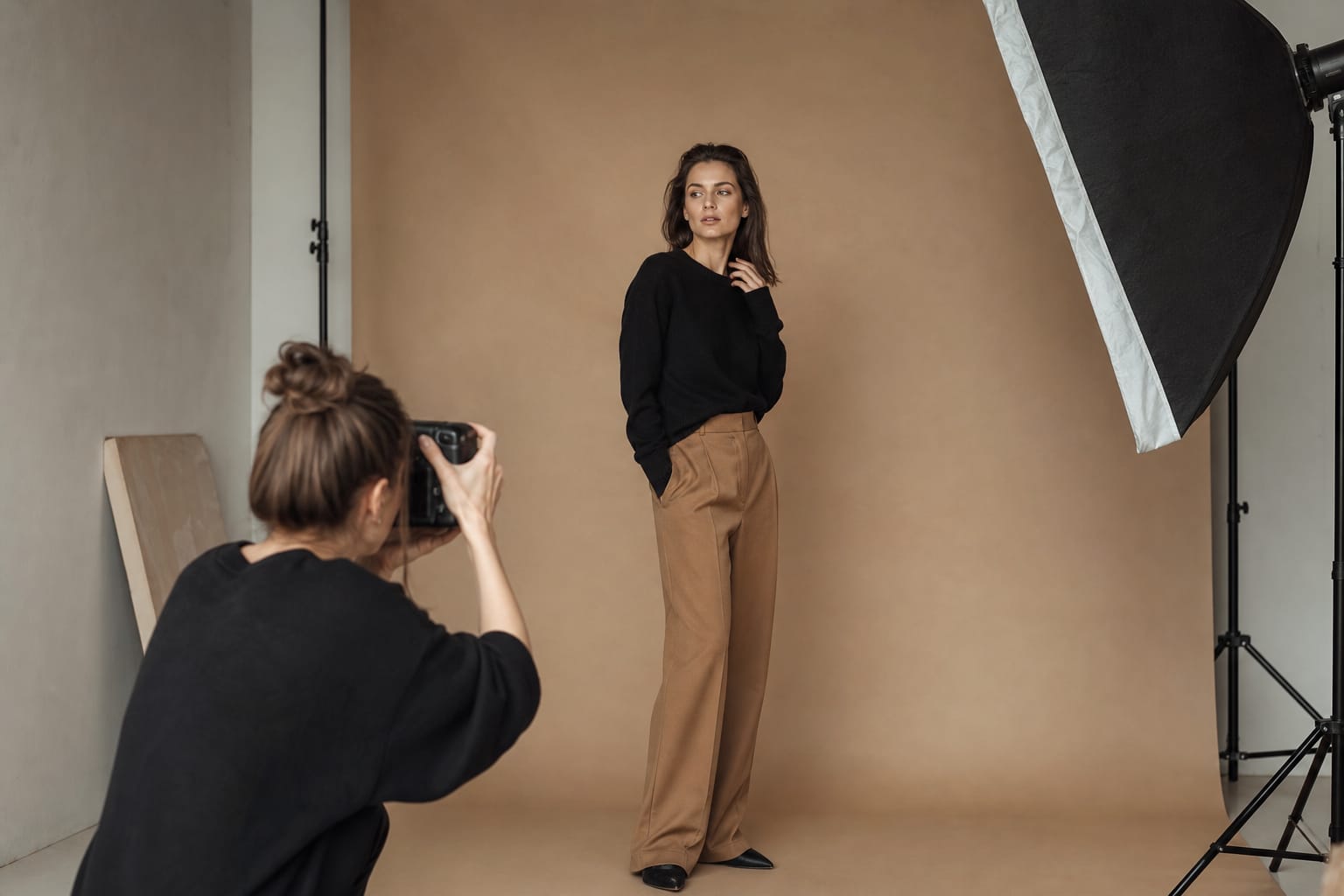
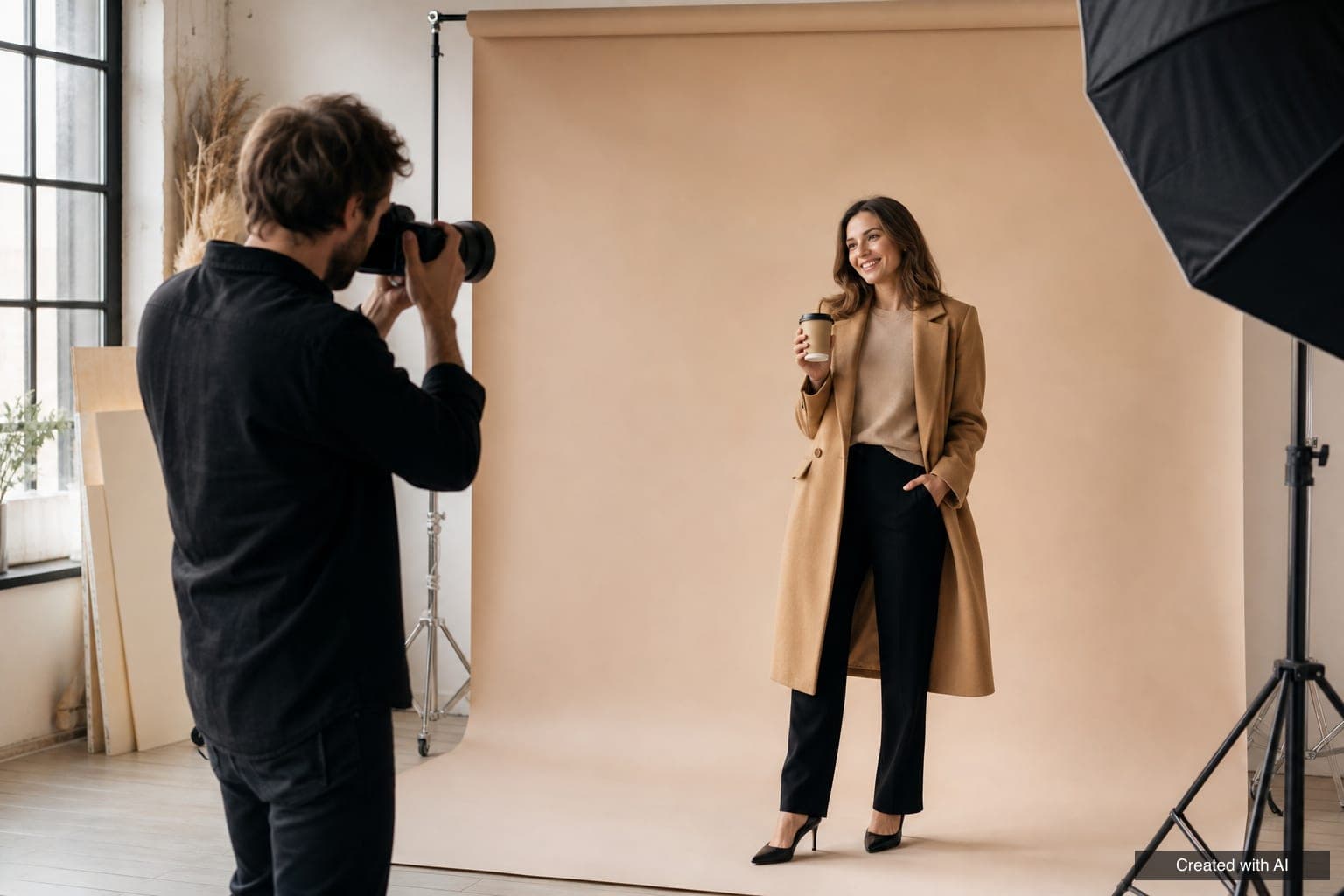
For print work, how you look in a photograph matters more than how tall you are: being photogenic, changing poses and expressions quickly, and understanding what the photographer is asking for. A shoot can last an hour or a full day, and an e-commerce day can mean dozens of outfits. Our guide to model poses explains how to pose so that your pictures work for agencies and clients.
The first step is always the same: simple photos without make-up (digitals), accurate measurements and an application to a professional agency. You do not need a professional shoot to start; if you need one later, the agency will suggest it. What the first photos should show is covered in the glossary entry on model digitals and in our guide to the modeling portfolio.
Fashion models: runway, editorial and high fashion
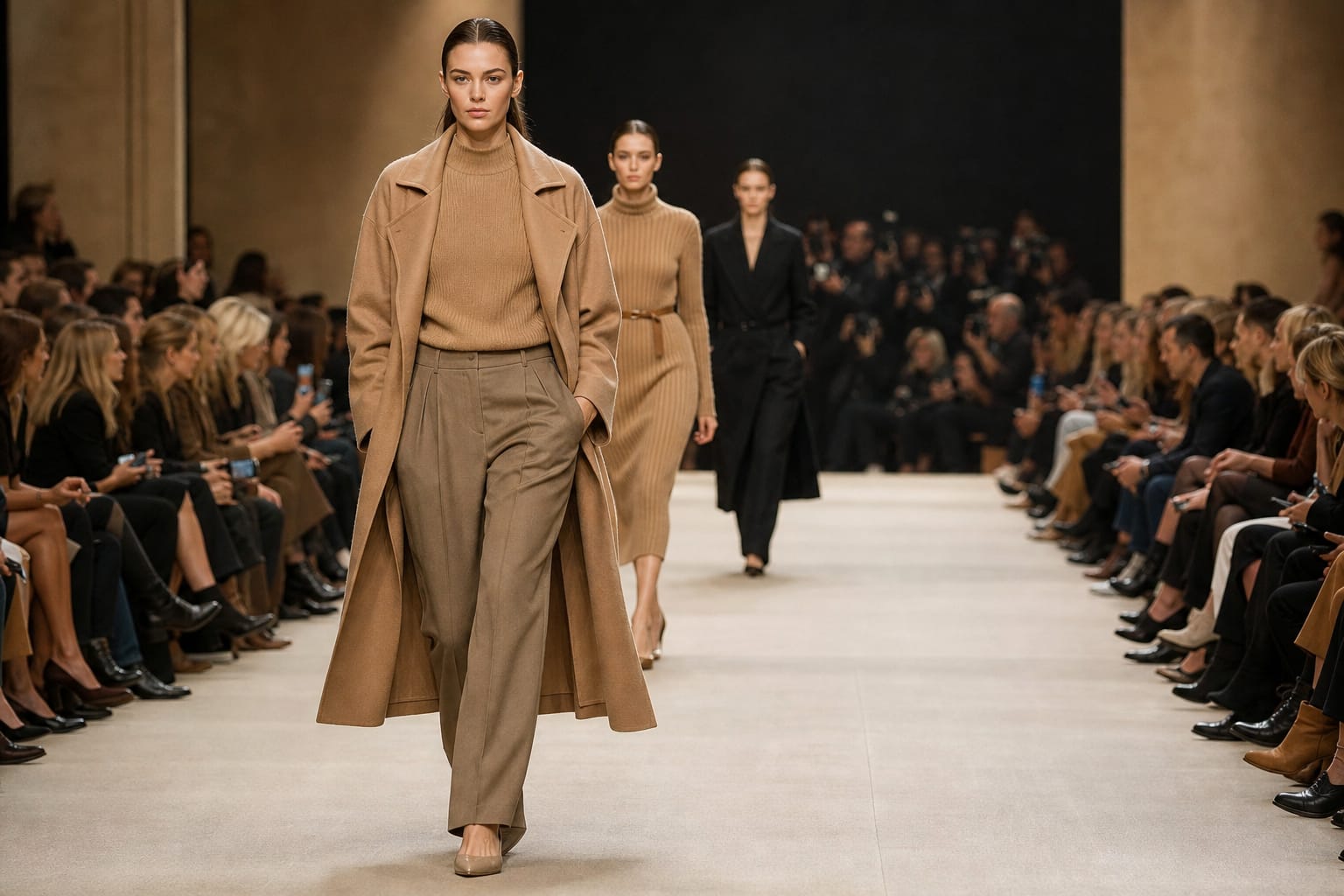
Fashion models are what most people think of when they hear the word "model". They walk at fashion weeks and collection presentations, shoot magazine stories and appear in luxury campaigns. The requirements are the strictest here because sample garments are made in one size and have to fit as they are.
Runway model
Runway models present collections in shows. Women usually need to be 172–181 cm tall and men 183–190 cm, with a clothing size close to the sample size (for women most often EU 34–36, roughly US 2–4). Beyond the numbers, the key skill is the walk, which we break down in how to walk like a model. Everything else, from requirements to the season calendar, is in our runway model guide, and show fees are covered in how much runway models make.
Editorial and high fashion models
Editorial models shoot fashion stories for magazines. The pay is low or a token fee, but a strong story in a good magazine is the best advertising a model can get and leads to paid campaigns. What counts here is an unusual, memorable face rather than conventional prettiness. The glossary entry on editorial modeling covers the details.
Haute couture shows in Paris and campaigns for the major houses sit at the top of this type. Few models reach that level, and nearly all of them get there through a mother agency that developed them and placed them with agencies abroad. Lithuanian models on this path work in Paris, Milan, London, New York and Asia, and Supermodels prepares them for exactly that international market.
Fashion work and age
In 2017 the two largest luxury groups, LVMH and Kering, committed to stop hiring models under 16 for adult fashion shows and shoots. Minors work only with parental consent and a chaperone, and in France models need a medical certificate.
Commercial models: advertising, catalog, e-commerce and events
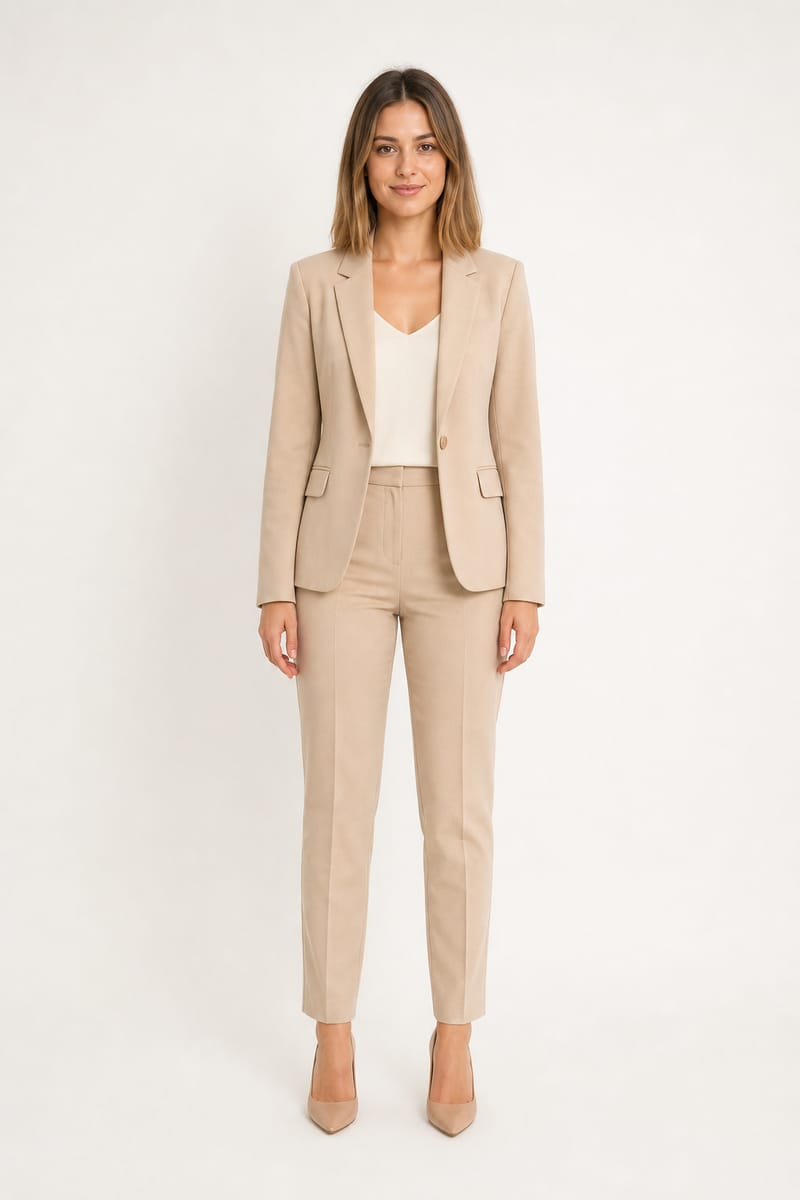
A commercial model advertises products and services to a broad audience. This is the largest part of the market: banks, phones, food, cosmetics, furniture and travel, plus catalogues, packaging, online stores and social media content. Clients are not looking for runway proportions but for an appealing, natural person shoppers can relate to, which is why commercial work is open to people of every age, height and size.
Advertising model
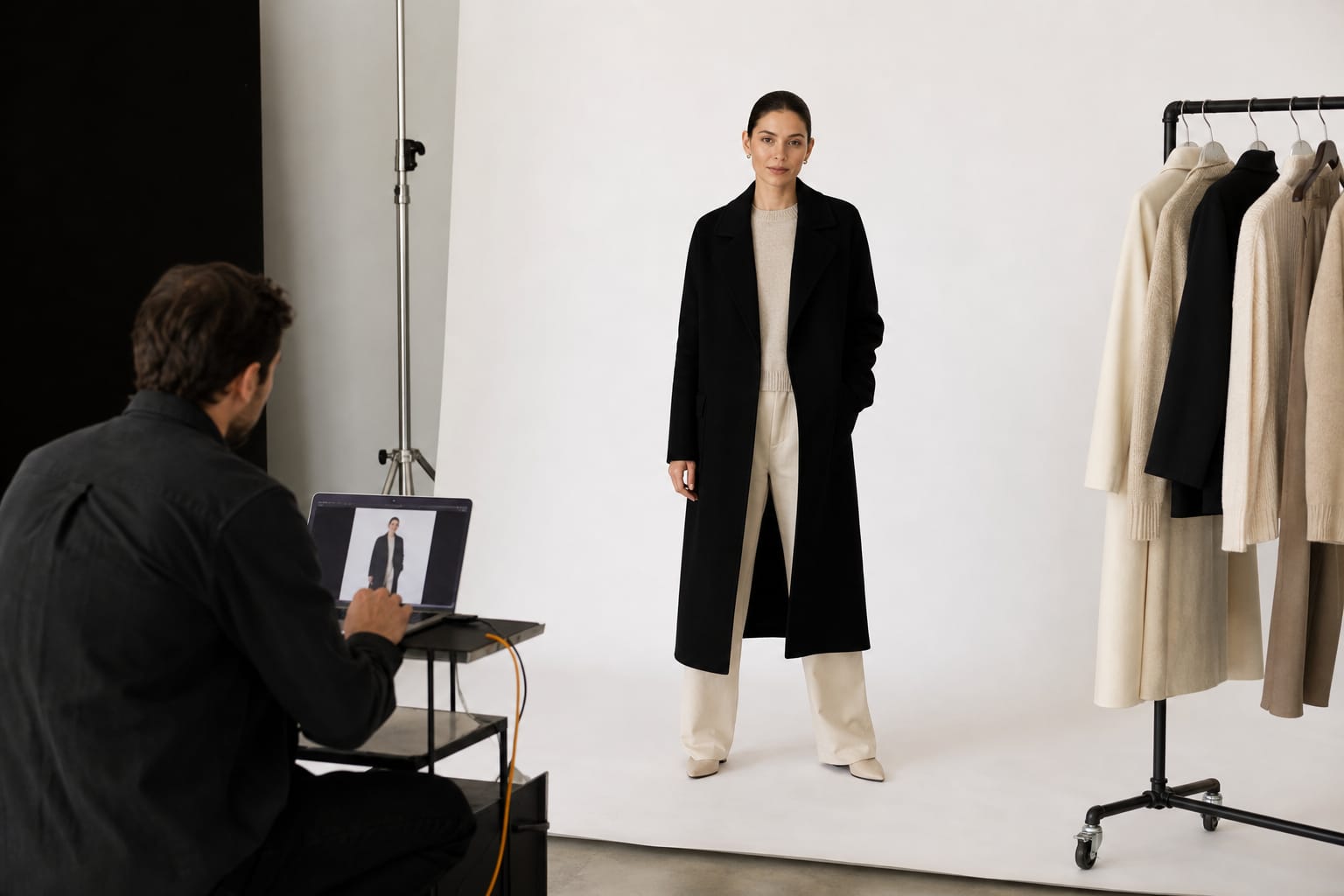
An advertising model shoots or films a campaign. On top of the day rate there is usually a usage fee that depends on how long, in which countries and in which media the ad will run. That makes advertising the best-paid kind of modeling, especially when a campaign runs on TV or outdoor. Our guide to modeling rates and the glossary entry on usage rights explain how the fee is worked out.
Catalog and e-commerce model
Catalogue and e-commerce shoots are a model's everyday bread. The work is quick and technical: you show many garments in a day and keep the poses consistent so that product pages look uniform. Reliability and speed matter most. In London such a day pays roughly £150–400; in smaller markets hourly rates are more common.
Promotional model and hostess
Promotional models and hostesses represent brands at events, trade shows, shopping centres and conferences: greeting guests, presenting a product, handing out samples. People skills, languages and stamina count for more than being photogenic. It is a common first job for young people, though it leads less often to a modeling career.
All of these branches, with requirements, fees and preparation, are covered in our guide to commercial modeling.
Specialist models: fitness, fit and parts
Some jobs call for one specific quality rather than an overall look: an athletic body, exact measurements or beautiful hands. That is where the specialist types of modeling come from. Most of them are full-time professions only in the biggest advertising and fashion markets.
Fitness model
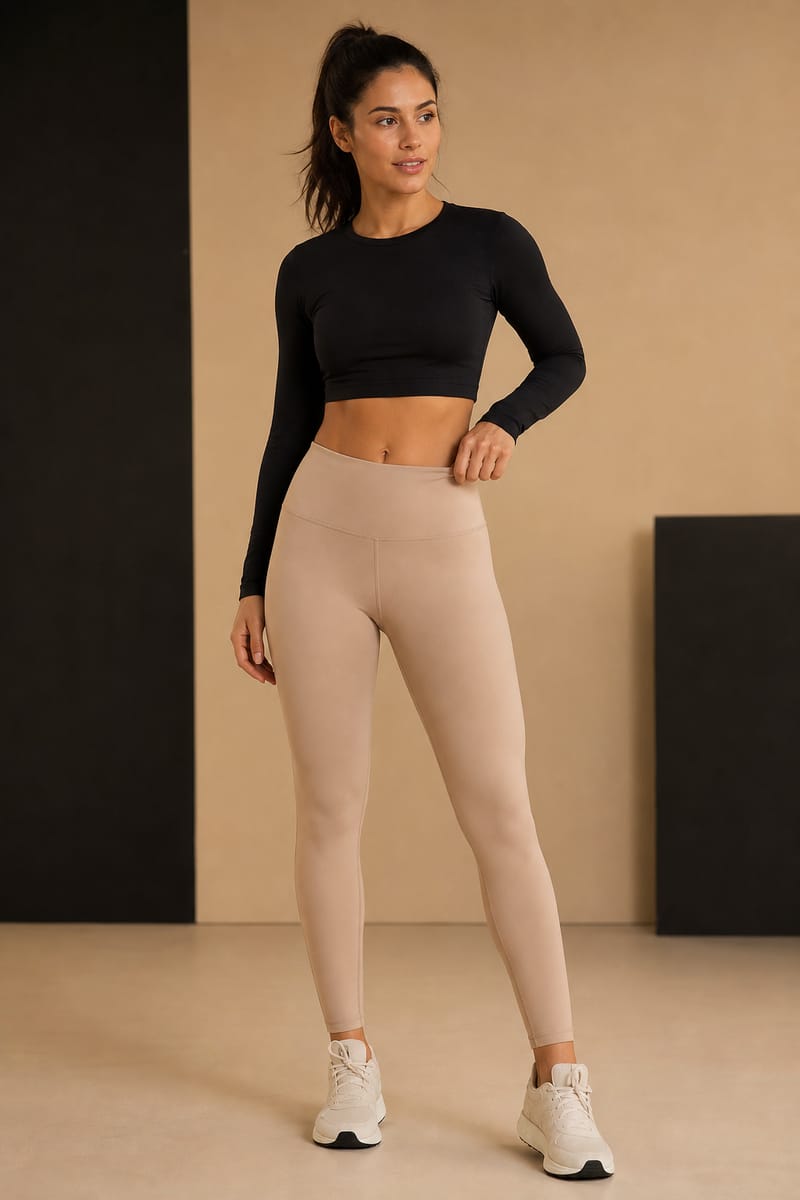
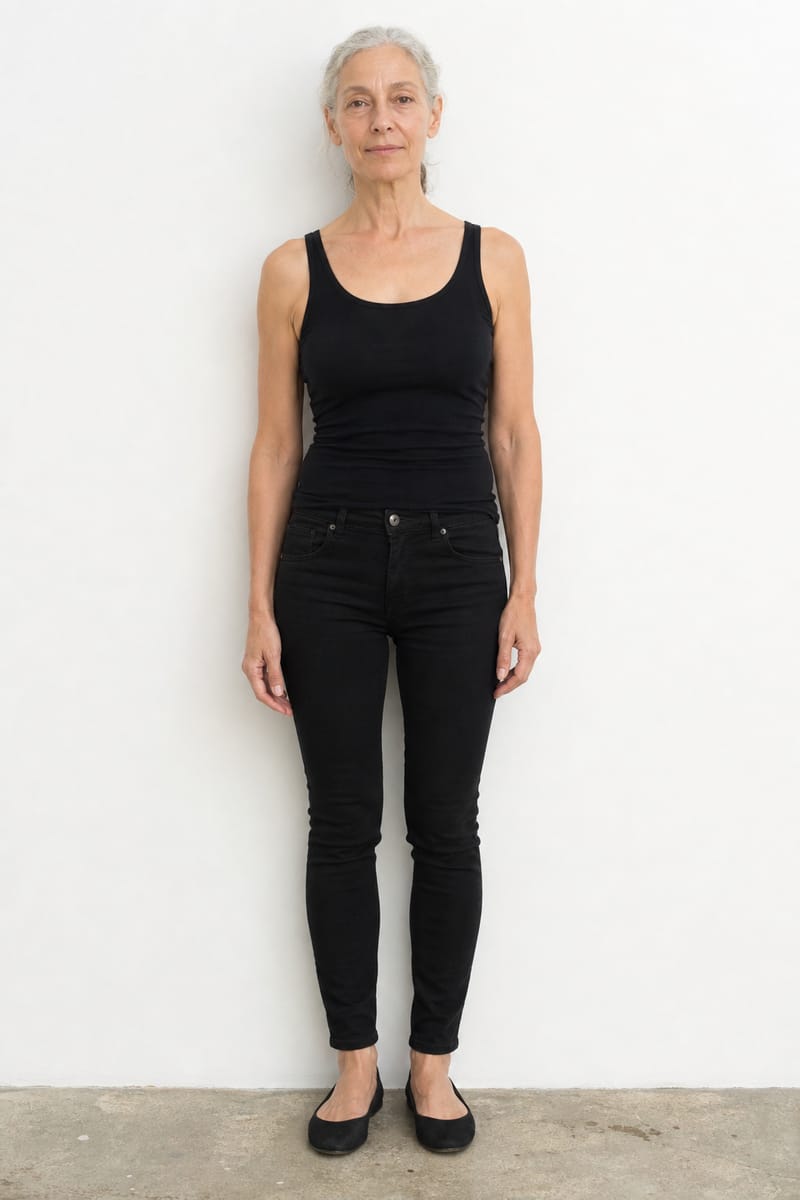
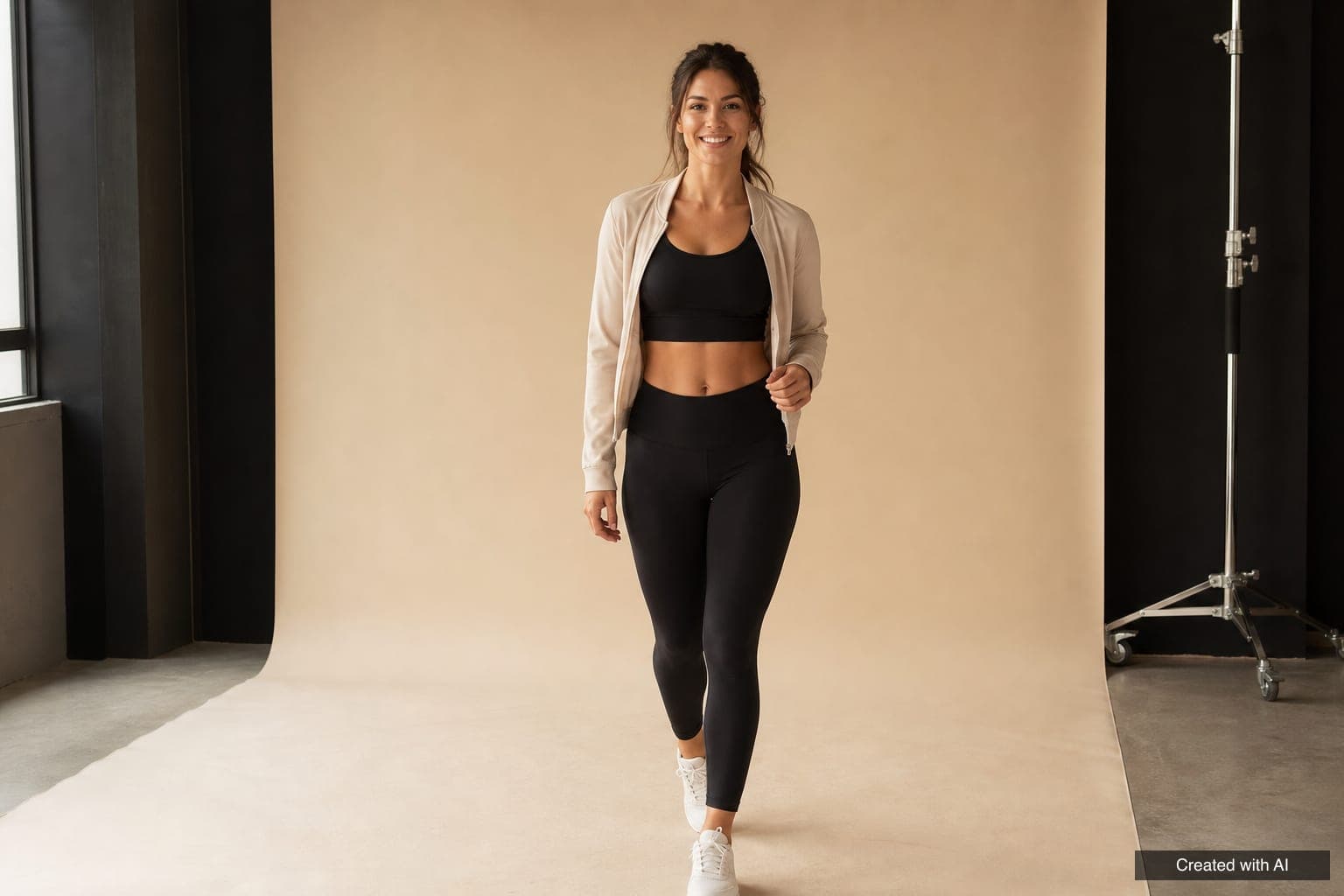
Fitness models advertise sportswear, trainers, gyms, equipment and wellness products. They need an athletic but natural body and the ability to perform exercises on camera with correct technique. Height is flexible. The work often goes alongside a career as a coach or athlete. In smaller markets agencies rarely have a separate fitness board, and these bookings go to commercial models with a sporting background. More in our fitness model guide.
Fit model
A fit model works in a designer's studio or a factory rather than in front of a camera: garments in development are fitted and adjusted on them. The face matters less than exact, stable measurements that match the brand's sample size, plus the ability to describe how a garment feels. In New York fittings pay roughly $95–200 an hour. Our fit model guide, with the experience of model Ieva Skruzdytė, walks through a typical fitting day.
Parts model: hands, feet, legs
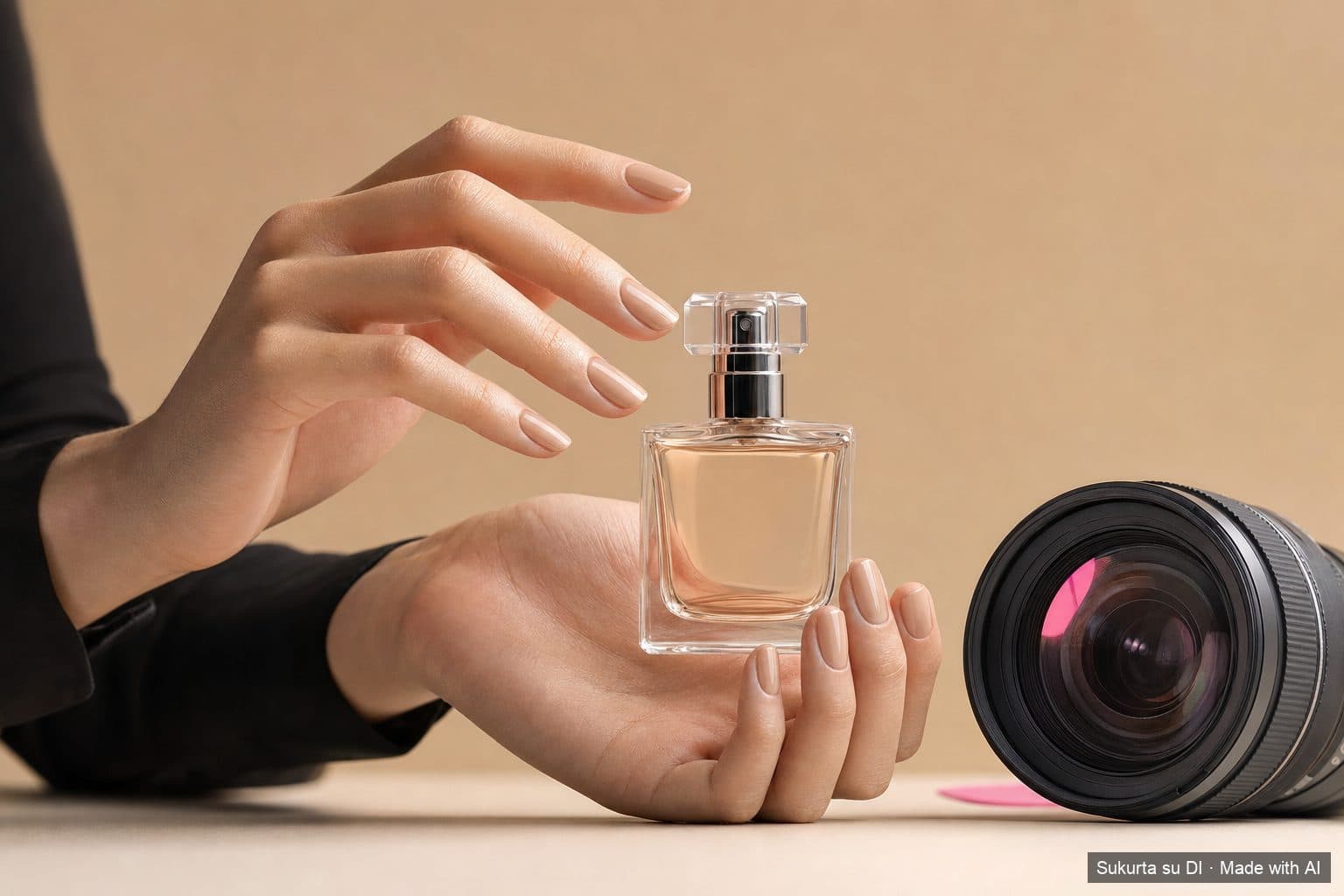
Parts models photograph a single body part: hands for nail polish, jewellery or cream ads, feet for footwear, legs for hosiery. The profession exists only in a few advertising capitals such as New York, Los Angeles and London. In Lithuania and the rest of the Baltics agencies do not represent parts models, and the hands in an ad belong to the model on set. Why that is, and what parts models earn where the work exists, is explained in how much hand models make.
Models by size, height and age: plus size, petite and older
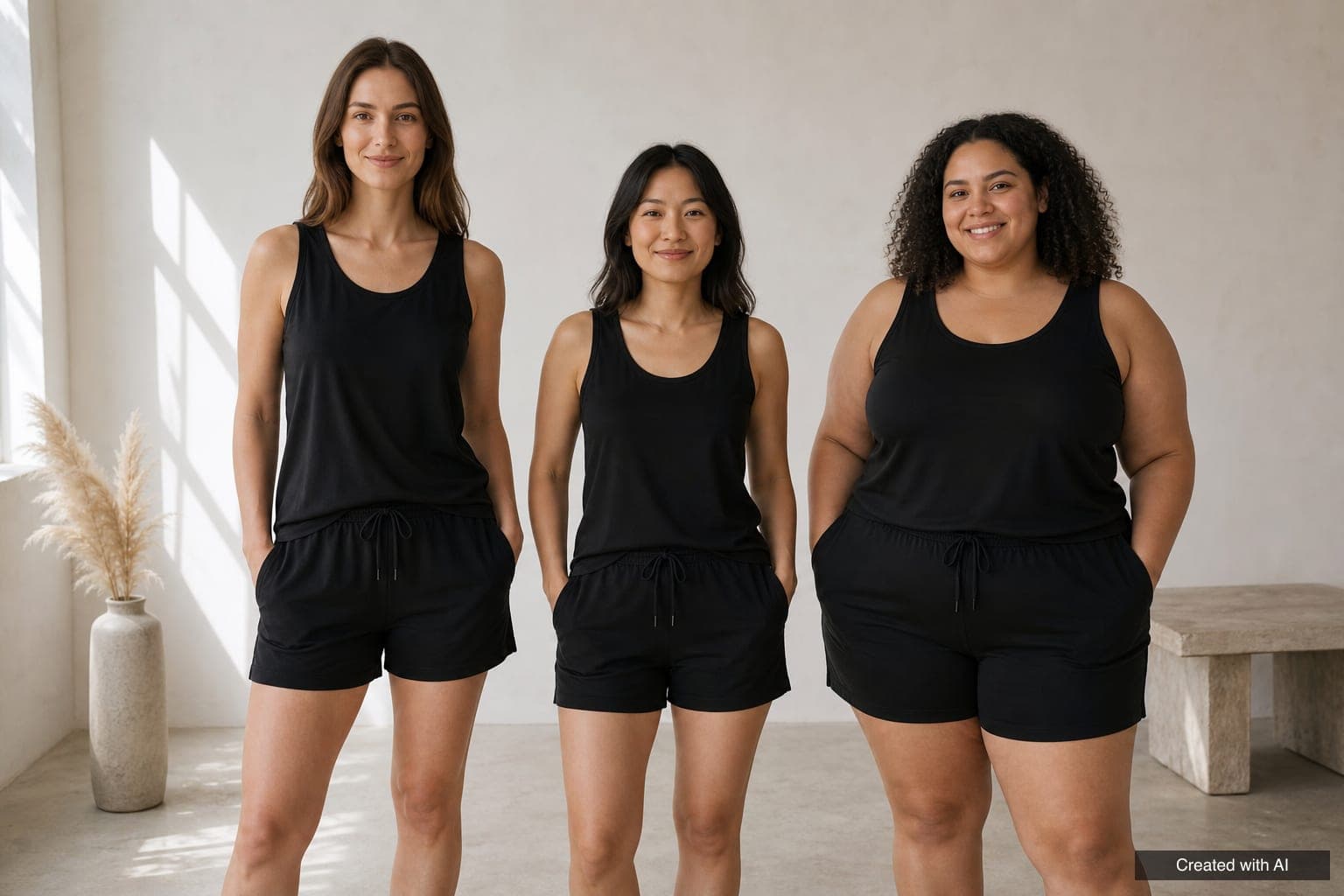
Over the past decade the market has widened noticeably. Shoppers want to see themselves, so brands look for models who look like their customers: larger sizes, shorter heights, older ages. Large agencies run separate boards for each of these.
Plus size models
Plus size, or curve, models work on extended-size fashion, lingerie, swimwear, beauty and sportswear. In English-speaking markets the line is usually drawn at US size 12. It is not an easier branch of modeling: it takes the same skills and discipline. The whole topic, from sizing to agencies, is in our plus size modeling series.
Petite models
Petite models are shorter than the fashion standard, most often about 155–170 cm (roughly 5'1" to 5'7"). They shoot petite ranges, e-commerce, beauty, footwear and accessories. Runway work is usually out of reach, but the commercial market is open. What counts as petite and how to pose so that proportions read well on camera is in our guide to petite modeling.
Older and mature models
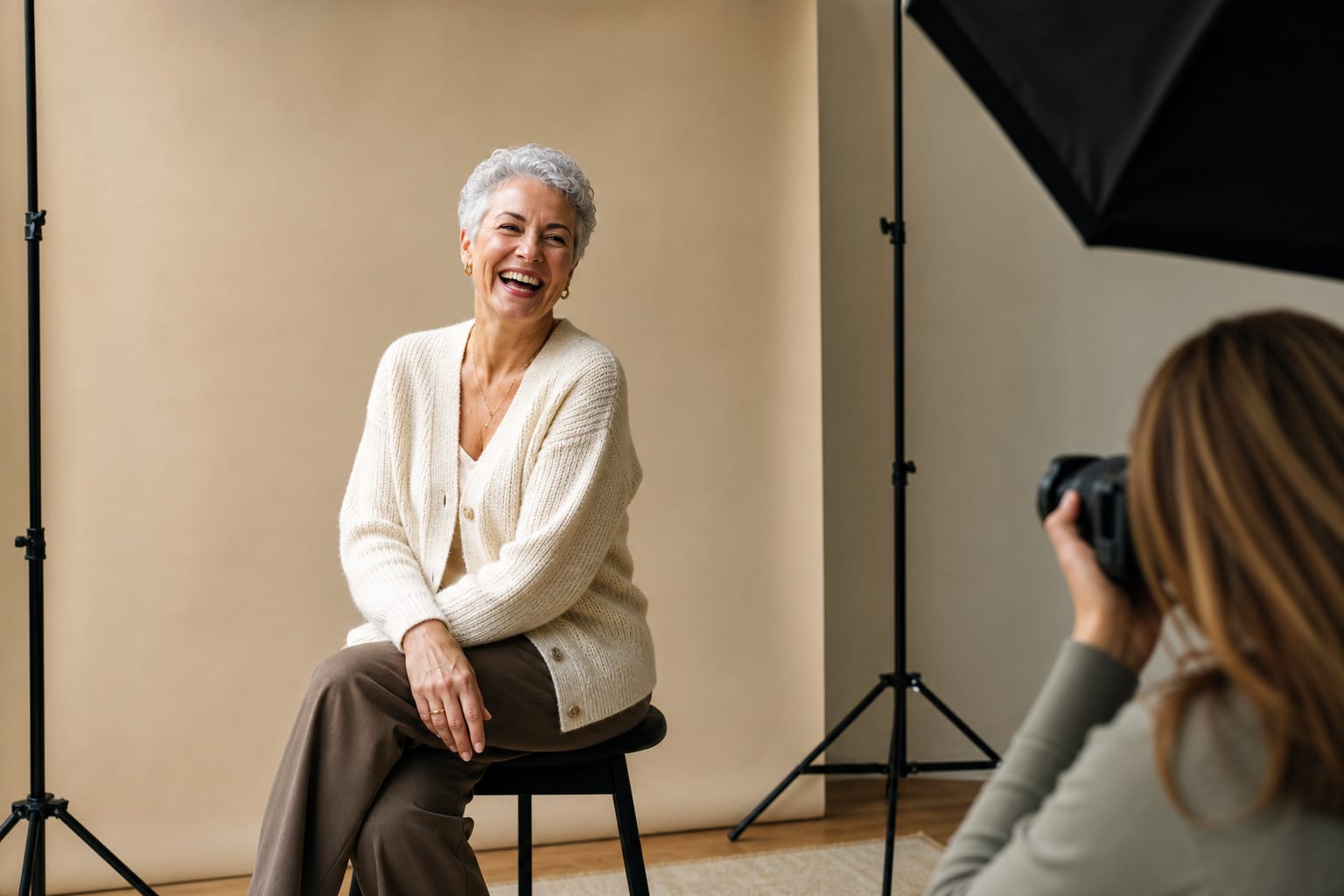
Older models, often called classic or mature, work in advertising, in fashion for older shoppers and in pharmaceutical, travel and financial services ads. Agencies often take them from 30–35, and some boards include models in their sixties and eighties. Many start only later in life with no previous experience. More in our guide to older models.
Male models and showroom models
Male models
The men's market is smaller and fees are on average lower than women's, but there is less competition and careers can last longer. For fashion work agencies look for men aged 16–25 and 185–190 cm tall; commercial work is open to men of all ages. How to start, what agencies look for and which mistakes to avoid is in our guide to male models.
Showroom model
Showroom models work in fashion house showrooms and at wholesale fairs during fashion weeks, wearing the collection while store buyers decide what to order. The job needs an exact sample size and calm, professional manners. Most of this work is in Paris and Milan. The glossary has a short entry on the showroom model.
Lingerie, swimwear, glamour and brand ambassadors
Lingerie and swimwear models are part of commercial or fashion modeling rather than a separate profession. The work needs especially well cared-for skin and body, and the contract should spell out exactly where and for how long the pictures will be used. A professional agency always discusses such a booking with the model in advance and does not offer it to minors.
Glamour modeling is photography aimed at a sexy image rather than at a garment or a product. It is a separate field that professional fashion agencies do not handle, so we do not cover it further here. If anyone suggests such a shoot "for your portfolio", stop and ask for advice.
A brand ambassador has a long-term arrangement to represent a brand in advertising and on social media. Ambassadors are often models, athletes or creators who are already well known. It is more a marketing role than a type of modeling, and it usually comes after a model has made a name.
How to tell which type of modeling suits you
Start with an honest look at your numbers. Measure your height, bust, waist and hips and your shoe size, and compare them with the table above. Our size guide converts sizes between systems and explains each measurement.
The fashion route is worth trying if
You are a woman aged 14–22 and at least 170 cm, or a man aged 16–25 and 185–190 cm; you can travel to work abroad; and you are ready for rejection and discipline. Supermodels invites candidates like this to apply through its open call.
The commercial route suits you if
You are shorter, older, or have different proportions or a different size, but you feel at ease in front of a camera, enjoy dealing with people and can work flexible hours. This is where most bookings are and where limits are loosest.
A few practical pointers:
- If in doubt, apply to a professional agency. The agency will tell you which board and which markets you suit. Applying and meeting the agency cost nothing.
- Do not limit yourself to one type. Most models do both fashion and commercial work, and some move from one type to another over a career.
- Follow the work. Small markets offer mostly commercial bookings; fashion careers are made abroad. Parts and fitness niches exist only in the largest markets.
- Learn what your type needs. A runway model needs the walk, a commercial model needs natural acting on camera, and a fit model needs to describe how a garment fits.
The core modeling skills, from choosing an agency to posing and handling rejection at castings, are taught in the online Supermodels Masterclass (77 €, in Lithuanian), led by Jurgita, head of Supermodels. If you prefer to work with a coach in person, see our model training in Vilnius and Kaunas. For the first steps in general, read how to become a model.
What to avoid: scams and false expectations
The more types of modeling there are, the more offers there are that only look like modeling work. A professional agency earns a commission when its models work, not money from the models themselves. These are warning signs:
- a fee to register, an "audition fee" or a charge to be listed in a catalogue;
- a requirement to buy a photo shoot or a course from the same "agency" before you can sign;
- promises that do not match your measurements, such as Paris runways for a woman of 160 cm or thousands a week for hand photos in a market where parts modeling does not exist;
- glamour or nude shoots offered "for your portfolio", especially to minors;
- no chance to read the contract at home, or no commission stated in it.
More warning signs and how to check an agency are in the glossary entry on modeling scams and in how to choose a modeling agency. Before you sign anything, read our guide to the modeling contract.
False expectations do as much harm as scammers. According to the U.S. Bureau of Labor Statistics, models held about 4,200 jobs in the United States in 2025, the median hourly wage was $23.30, and employment is projected to fall by 2% by 2035. The bureau notes that most models work part time on unpredictable schedules and that AI tools which let companies reuse images may limit demand. None of this means modeling is not worth pursuing, but it is wise to plan it alongside studies or other work.
Frequently asked questions
What are the main types of modeling?
The main types of modeling are fashion (runway and editorial), commercial (advertising, catalog, e-commerce, promotional), fitness, fit, parts, plus size, petite, older or mature, and showroom modeling. Male models work in all of these areas.
What is the difference between a print model and a runway model?
A print model works in front of a camera for magazines, ads, catalogues and online stores. A runway model presents collections at shows and has to meet stricter height and measurement requirements and master the walk. Most fashion models do both.
Can I model if I am short?
Yes. Runway work is usually closed to women under about 170 cm, but commercial, e-commerce, beauty and petite work is open. Being photogenic and well proportioned matters most.
Which type of modeling pays the most?
Usually advertising campaigns, because a usage fee is added to the day rate. Magazine shoots and runway shows pay beginners little, but they build the name that later brings better-paid bookings.
Is there work for hand or fitness models everywhere?
No. Specialist parts and fitness agencies operate in the biggest advertising markets such as New York and London. In smaller markets, including Lithuania, these jobs go to ordinary commercial models.
How old do you have to be to start modeling?
For fashion work agencies usually take models from 14–16, and adult fashion shows and shoots use models aged 16 and over. Minors sign contracts only with their parents. Commercial and mature modeling have no upper age limit.
Sources
- U.S. Bureau of Labor Statistics, Occupational Outlook Handbook: Models (2025 jobs, median pay, 2025–35 projections, specialisations), last modified August 2026.
- LVMH and Kering charter on the working relations and well-being of models, 2017 (minimum age of 16 for adult fashion work).
- The Diversity Agency: How much do UK models earn in 2026 (London day rates by type of work).
- Petite height ranges from agency requirements: The Photo Studio, "How to become a petite model"; Skylar Modeling, overview of petite agencies (checked October 2026).
- Supermodels application requirements (supermodels.lt, checked October 2026) and Jurgita guides: Supermodels open call, how much models make, hand models.
- Jurgita modeling glossary, entries on types of models.

Comments (0)
No comments yet. Be the first!
Only logged-in users can comment. Register — and you'll be able to share your thoughts on this article.
Register