

In short
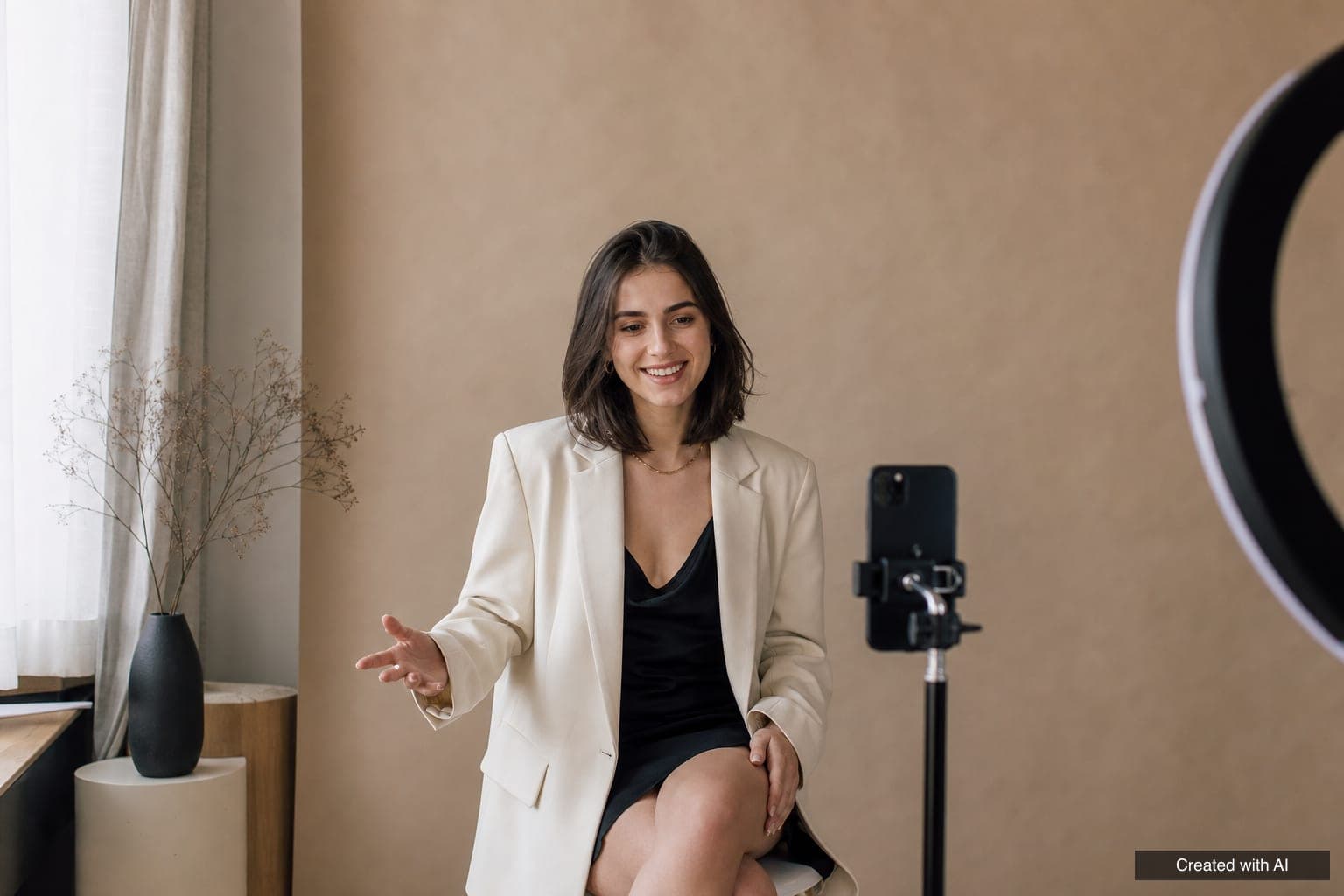
- An influencer is someone whose recommendations shape what their followers buy, wear or try. The work behind the word is concrete: making content, growing an audience, pitching brands, disclosing ads and paying tax.
- Influencers are grouped by follower count: nano (1,000 to 10,000), micro (10,000 to 100,000), macro (100,000 to 1 million) and mega (over 1 million). More than three quarters of Instagram influencers are nano creators.
- There is no official follower number that makes you an influencer. Brands pay small creators when the audience is engaged and fits the product; platform payout programmes have their own thresholds.
- Every paid post, gifted product or affiliate link must be clearly disclosed. In the US the FTC expects the disclosure in the post itself, not hidden in a bio or a pile of hashtags.
"Influencer" is now a job title, a punchline and a career dream all at once. Parents hear it from teenagers, brands budget for it and every platform has a programme that promises creators a share of the money. Strip away the glamour and it is a small media business: you produce content, you own an audience, and you sell access to that audience in a way that has to stay honest.
This guide explains what an influencer is, how it differs from a content creator and a model, how the tiers work, how many followers you need in practice, how to start step by step and where beginners get it wrong. We spend extra time on fashion and beauty, the niches closest to this magazine, and on how social media fits into a modeling career.
What is an influencer
An influencer is a person whose opinion, taste or expertise affects the decisions of a group of people, today mostly through social media. Marketers also use "opinion leader" and "key opinion leader" (KOL), especially in Asia. Unlike a classic celebrity, an influencer does not need to be famous outside their niche: a runner with 8,000 followers who reviews running shoes can move more pairs than a TV star who posts once a month.
What makes someone an influencer is the relationship, not the follower number. Followers come back because they trust the person's taste or advice. That trust is exactly what brands pay for, which is why losing it through hidden ads or fake followers is the fastest way to end the career.
Influencer vs content creator vs model
The three words overlap, but the job and the money are different. Our guide to the content creator maps all social media careers; here is the short version.
| Influencer | UGC creator | Model | |
|---|---|---|---|
| What is sold | Influence over their own audience | Videos and photos the brand posts on its own channels | Looks, posing and work on set |
| Followers needed | Yes, the main asset | No | No, but they help |
| Who publishes | The creator, on their own account | The brand | The client (catalogue, campaign) |
| How they are paid | Per post, campaign or affiliate sale | Per video plus usage rights | Per day or hour plus usage rights |
| Who represents them | Themselves or an influencer agency | Themselves or a platform | A modeling agency |
The lines keep blurring. Fashion brands increasingly book models who have an engaged audience, and many UGC creators start from their own account. If you want to sell content without building a following, read our guide to becoming a UGC creator; for models whose careers started on social media, see Instagram model.
 Model training with SupermodelsTry it in practice with an agency teamIn the model training we work on the walk, posing and working on camera, one to one or in a small group.About the trainingfrom €69
Nano, micro, macro and mega influencers
Marketers sort influencers by follower count. The cut-offs vary a little between sources; these are the most common:
| Tier | Followers | Strength | Typical partners |
|---|---|---|---|
| Nano | 1,000 to 10,000 | Close relationship, high engagement | Local shops, salons, cafés, new brands |
| Micro | 10,000 to 100,000 | Clear niche and credibility | Beauty, fashion and fitness brands, online stores |
| Macro | 100,000 to 1 million | Large reach | National campaigns, international brands |
| Mega | Over 1 million | Fame, often celebrities | Global campaigns, ambassador contracts |
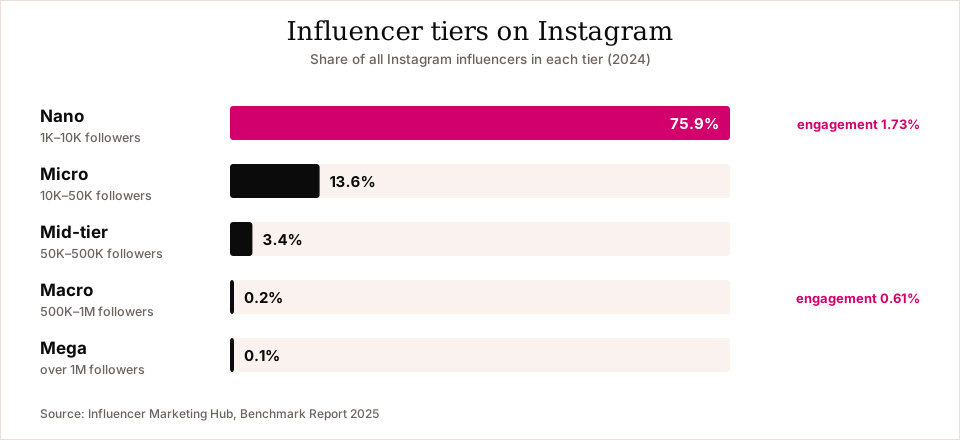
Most influencers are small. The same report measured an average Instagram engagement rate (likes, comments and shares relative to followers) of 1.73% for nano creators in 2024 against 0.61% for macro creators. That gap explains why brands spread budgets across several smaller creators instead of one big name. In the Influencer Marketing Hub 2026 survey more than half of marketers planned to increase or start work with nano and micro creators, while plans for macro creators were roughly flat.
How many followers do you need to be an influencer
No law or platform defines the number. First collaborations often arrive at 1,000 to 3,000 followers: a salon offers a treatment, a boutique sends a dress. Turning gifts into paid work takes longer, and platform payout programmes do have hard thresholds.
| Income source | Requirements |
|---|---|
| Brand partnerships | No official minimum; brands look at audience fit and engagement |
| YouTube Partner Program | 1,000 subscribers plus 4,000 public watch hours in 12 months, or 10 million Shorts views in 90 days |
| TikTok Creator Rewards | 18 or older, 10,000 followers and 100,000 views in the last 30 days; available only in selected countries (US, UK, Germany, France and a few others) |
| Affiliate links and discount codes | Set by each retailer's programme |
Three things matter more than the headline number: who follows you, how many of them react, and whether your content suits the brand. Five thousand followers who care about skincare and comment on every post are worth more to a skincare brand than 50,000 random accounts. How tiers translate into prices is covered in how much do influencers make.
How to become an influencer, step by step
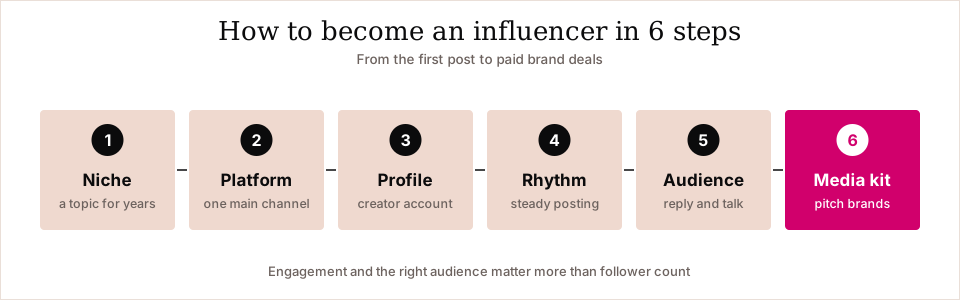
- Pick a niche. Choose a subject you can talk about for years: fashion, beauty, fitness, travel, parenting, food. A narrow angle ("style for tall women", "skincare after 40") grows slower but is easier for brands to understand.
- Pick one main platform. Fashion and beauty usually live on Instagram and TikTok; longer reviews and tutorials suit YouTube. Learn one properly before adding others.
- Set up the profile. A creator or business account shows analytics. Say who you are, what you post and how to reach you. A clear photo of your face beats a logo.
- Post on a rhythm you can keep. For example three short videos and one post a week. Consistency beats a single viral hit.
- Talk to your audience. Reply to comments, ask questions, go live. Engagement is what brands will pay for later.
- Build a media kit and pitch. A one-page kit with stats and examples lets you approach brands instead of waiting. We explain what goes into it in how much do influencers make.
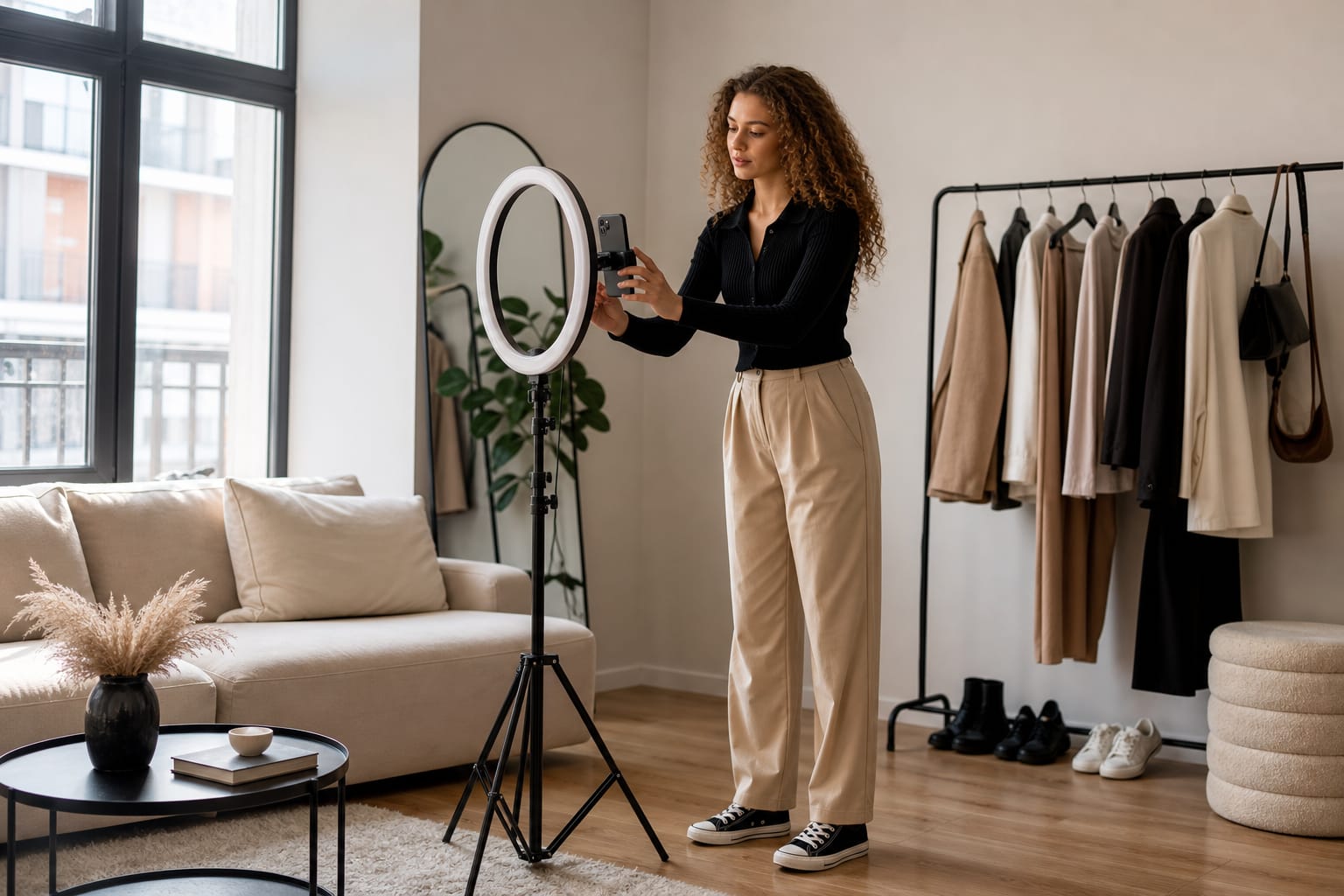
You need little gear; light matters most. Our photo light planner shows golden hour and cloud cover for the day. Posing and moving on camera use the same skills models learn, which we cover in model poses.
How to become a fashion or beauty influencer
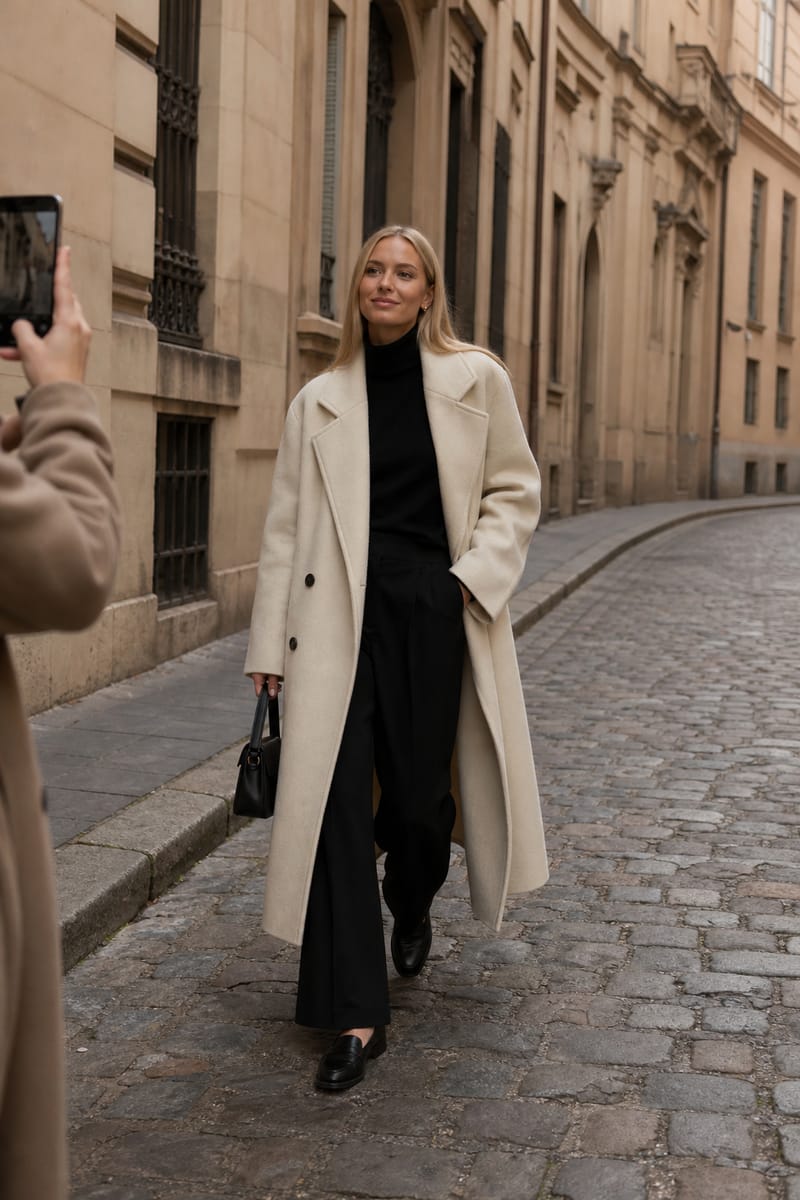
Fashion and beauty are among the most crowded niches: many brands, many creators. The ones who stand out give viewers something useful, not only a pretty picture.
Fashion
- Outfits with context. Not only "what I'm wearing" but where, in what weather, for what occasion. Our clothing guide is a good source of names and ideas.
- Fit and size. Followers value seeing how a piece fits your body, with your height and size stated. Our size guide converts sizes between countries.
- Honest reviews. If something did not work, say why. Trust is the only capital an influencer has.
Beauty
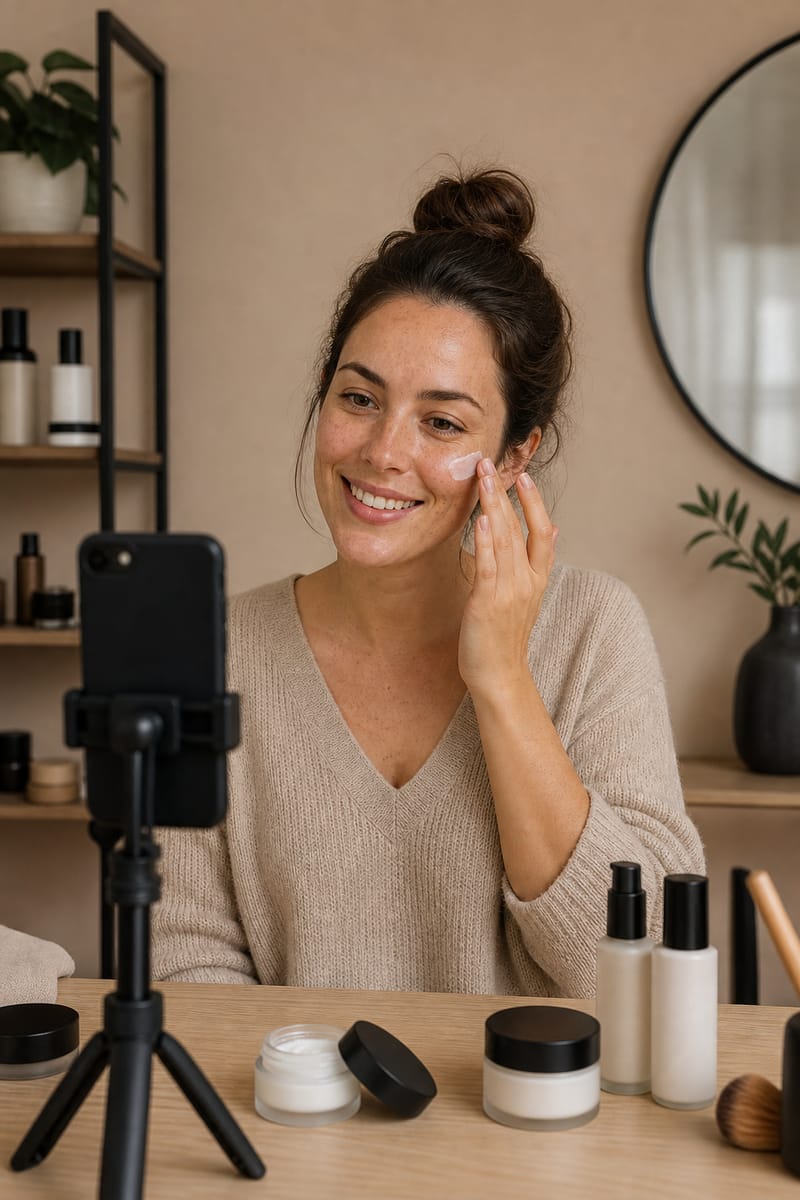
- Show the process. Steps, texture, time, which skin type it suits.
- Make no claims you cannot back up. Cosmetics are not medicine. Saying a cream "cures" or "erases wrinkles" can be deceptive advertising, and creators share the responsibility.
- Skip skin-altering filters on product posts. They misrepresent what the product does.
If you want a professional view of your style, colours or silhouette before building a personal brand, consider an image consultation.
Disclosure rules: FTC and EU
In the United States the Federal Trade Commission's guide "Disclosures 101 for Social Media Influencers" sets out the basics. You must disclose any material connection with a brand: payment, free or discounted products, a family or employment relationship. The disclosure has to be in the post itself, hard to miss, and in plain words such as "ad", "advertisement" or "sponsored". Putting it only in your bio, at the end of a long caption or among a dozen hashtags does not count, and for video it should be both said and shown. You also cannot say you love a product you have not tried.
In the European Union the Commission's Influencer Legal Hub explains that gifts, PR packages and free services count as payment, so content made with them should be disclosed as advertising. The label must be visible without clicking "more" and should not appear only at the end of a video. Platform tools such as Instagram's "Paid partnership" label help, but you should still say it in words. Several EU countries, including Lithuania, publish their own guidance on top of this.
Tax. Influencer income, including products received in exchange for posts, is taxable in most countries. In the US gifted products received for promotion are generally treated as income; in Lithuania the tax authority treats them as income in kind. See how much do influencers make and model taxes.
Should a model become an influencer
Agencies and clients now look at a model's social media as well as the book. A tidy Instagram shows how someone moves, talks and looks without make-up, and an engaged audience can tip a booking when a brand is choosing between two faces.
Still, a modeling career and influencer work are different jobs. A model sells work on set under a contract with an agency that negotiates the fee, usage rights and exclusivity. An influencer mostly negotiates alone or through an influencer agency. The two support each other: a model with an audience picks up sponsored posts, and an influencer who learns to pose and work with a crew gets more commercial shoots. See types of modeling for the work available and influencer agencies for who represents creators.
Supermodels is a modeling agency in Vilnius, founded in 2001 and a member of the international association of model agencies M.A.M.A. It signs a contract with every model, works abroad with agencies such as NEXT, Wilhelmina, Elite and Women, and in 2020 opened its "Personalities" division for charismatic, non-standard and plus-size models. If you have an audience and want to model, apply through the Supermodels open call (women aged 14 to 22, men aged 16 to 25). Posing, movement and camera work are taught in our model training.
Mistakes to avoid
- Buying followers or likes. Brands and agencies audit audiences with tools; fake followers drag engagement down and kill trust.
- Hiding ads. It breaks the law and, once followers notice, the relationship.
- Saying yes to everything for free product. If a brand wants to run your face in its own ads, that is a usage rights deal and is paid separately. See usage rights.
- Signing open-ended contracts. Always check how long and where your content will be used and whether you are blocked from working with competitors.
- Paying an "agency" upfront. Legitimate agencies earn commission on work, not sign-up fees. See modeling scams.
- Oversharing. Your address, your children's school and your live location do not belong online.
Frequently asked questions
How do I become an influencer with no followers?
Choose a niche, commit to one platform and post on a steady schedule while talking to everyone who comments. Many creators earn their first income from UGC, which does not require followers, while the audience grows.
How many followers do you need to be an influencer?
There is no official number. Nano influencers have 1,000 to 10,000 followers and brands do work with them. YouTube's Partner Program needs 1,000 subscribers; TikTok's Creator Rewards needs 10,000 followers and 100,000 views in 30 days.
What is the difference between a nano and a micro influencer?
A nano influencer has 1,000 to 10,000 followers, a micro influencer 10,000 to 100,000. Nano audiences are smaller but usually more engaged, which is why local brands often prefer them.
Do I have to disclose gifted products?
Yes. The FTC treats free products as a material connection, and EU guidance treats gifts and PR packages as payment. Label the post clearly as an ad or sponsored content.
Is an influencer the same as a content creator?
Not quite. Every influencer creates content, but a content creator can also be paid only for the content itself, as UGC creators are, without using their own audience.
Can a modeling agency make me an influencer?
A modeling agency represents models: it finds clients, negotiates fees and usage rights and checks contracts. An audience helps a model get booked, but managing an influencer's brand deals is the job of a different type of agency.
Sources
- Federal Trade Commission, Disclosures 101 for Social Media Influencers, November 2019, updated 2024.
- European Commission, Influencer Legal Hub and the legal brief "How to disclose advertising on social media".
- Influencer Marketing Hub, Influencer Marketing Benchmark Report 2025 (tiers and Instagram engagement, 2024 data) and Benchmark Report 2026.
- YouTube Help, YouTube Partner Program overview and eligibility; TikTok Support, Creator Rewards Program requirements, checked October 2026.
- Lithuanian State Tax Inspectorate, Tax obligations related to influencer activity (in Lithuanian), checked October 2026.
- Supermodels agency information and application terms, supermodels.lt, checked October 2026.



Comments (0)
No comments yet. Be the first!
Only logged-in users can comment. Register — and you'll be able to share your thoughts on this article.
Register