

In short
- In many pageants the judges' interview carries more weight than the gown. Prepare answers with a simple structure: a direct answer, an example from your own life, a link back to your goal.
- For the on-stage question you usually get about 30 seconds. Short and clear beats long and wandering.
- Choose an evening gown for your figure and the stage lights, not for a trend. The pageant walk is softer than a runway walk, with pauses and eye contact with the judges.
- Start three to four months out. A coach can help, but nobody can guarantee a placement.
From the audience, a pageant looks like one night on stage. In reality, pageant preparation is months of work: the judges' interview, the on-stage question, headshots, gown hunting, walk rehearsals, and in some systems a talent and a community project. Each part has its own rules, and plenty of contestants lose not on looks but because they prepared for only one of them.
This guide is for people who have already decided to compete. If you are still choosing between a pageant and a modeling career, start with pageant vs modeling. The rules of the big international systems are in our guide to Miss Universe and pageant requirements, and the national title of Lithuania is covered in Miss Lithuania.
A preparation plan: where to start
Step one is reading the rules: which categories are scored and how they are weighted. Many systems still use the judges' interview, evening gown and swimsuit or activewear; in the Miss USA state pageants they count equally. Miss America has no swimsuit phase but scores talent and a community initiative. Miss World fills part of its semi-final through Beauty With a Purpose, Multimedia, Head-to-Head, Talent and Sports challenges. Each category needs its own plan.
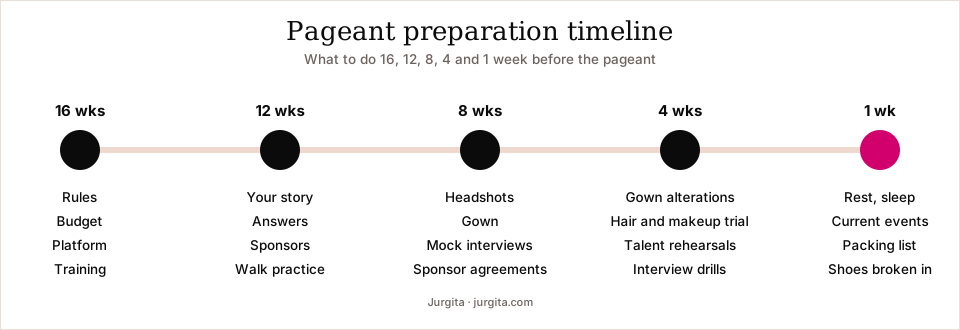
| Time before the pageant | What to do |
|---|---|
| 16 weeks | Read the rules, draw up a budget, choose your platform, start training regularly |
| 12 weeks | Write your story and answers to the core questions, look for sponsors, start walk rehearsals |
| 8 weeks | Headshots, choose the gown and first fitting, mock interviews with friends or a coach |
| 4 weeks | Gown alterations, hair and makeup trial, talent rehearsals in costume |
| 1 week | Lighter schedule, sleep, a scan of current events, a packing list, shoes broken in |
The pageant interview: how it works
The judges' interview usually happens before the final, behind closed doors. Formats vary: in some systems you speak to the whole panel for a few minutes, in others you rotate from judge to judge. Interviews can run from 30 seconds to 10 minutes, and a panel is typically three to five people. Some pageants give you a short opening statement and a closing line.
The panel is not grading whether an answer is "right". It is checking how you think, whether you sound sincere and whether you could represent the title for a year in the press, at events and in meetings. Most questions come from your contestant fact sheet, so know it by heart and be able to expand on every line.
Common pageant interview questions
- About you: tell us about yourself; why are you competing; who is your role model; what is your biggest mistake and what did it teach you.
- About your platform: why this cause; what have you done so far; what would you do with the title for a year.
- About your city and country: what would you show a visitor; what is the biggest issue your country faces.
- Current affairs: social media and young people, mental health, the environment, women in leadership, artificial intelligence.
- About pageants: are pageants still relevant; what would you change; how would you handle online criticism.
An answer framework: answer, example, link
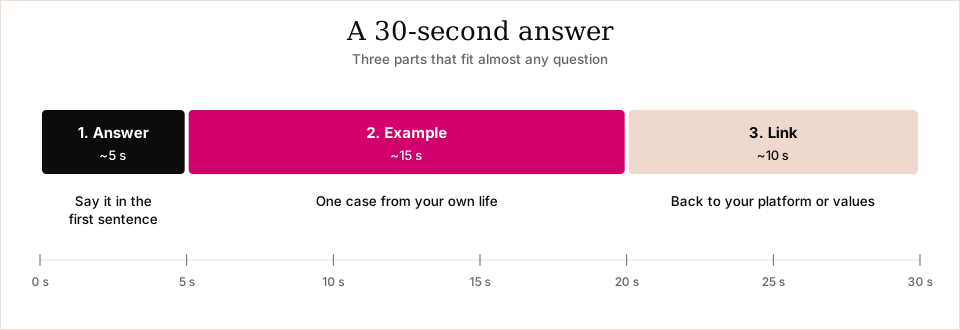
The simplest structure works for almost any question and has three parts. Answer directly in the first sentence. Give one concrete example from your own experience in the next one or two. Use the last sentence to tie the answer back to your platform or values. Asked "Is social media harmful to young people?", you might say: "It is harmful when it becomes the only place a young person feels valued. Volunteering at a school, I met teenagers who counted likes more carefully than friends. That is why my project teaches teens to create content, not only consume it."
The on-stage question: 30 seconds
In the final, the top contestants usually get a question on stage, in front of the audience and the cameras. There is very little time, often about half a minute, and the question may come through an interpreter. The same framework works even better here, without long examples.
- Listen to the end. If you did not catch it, ask for it to be repeated. That costs you nothing.
- Make the first sentence the answer. Skip "Thank you so much for the question" and go straight to the point.
- One example, not three. Half a minute holds one idea.
- End strong. The last line is the one people remember. Finish clearly, not with "so, yeah".
- Use your own language if allowed. A clear answer through an interpreter beats a muddled one in a second language.
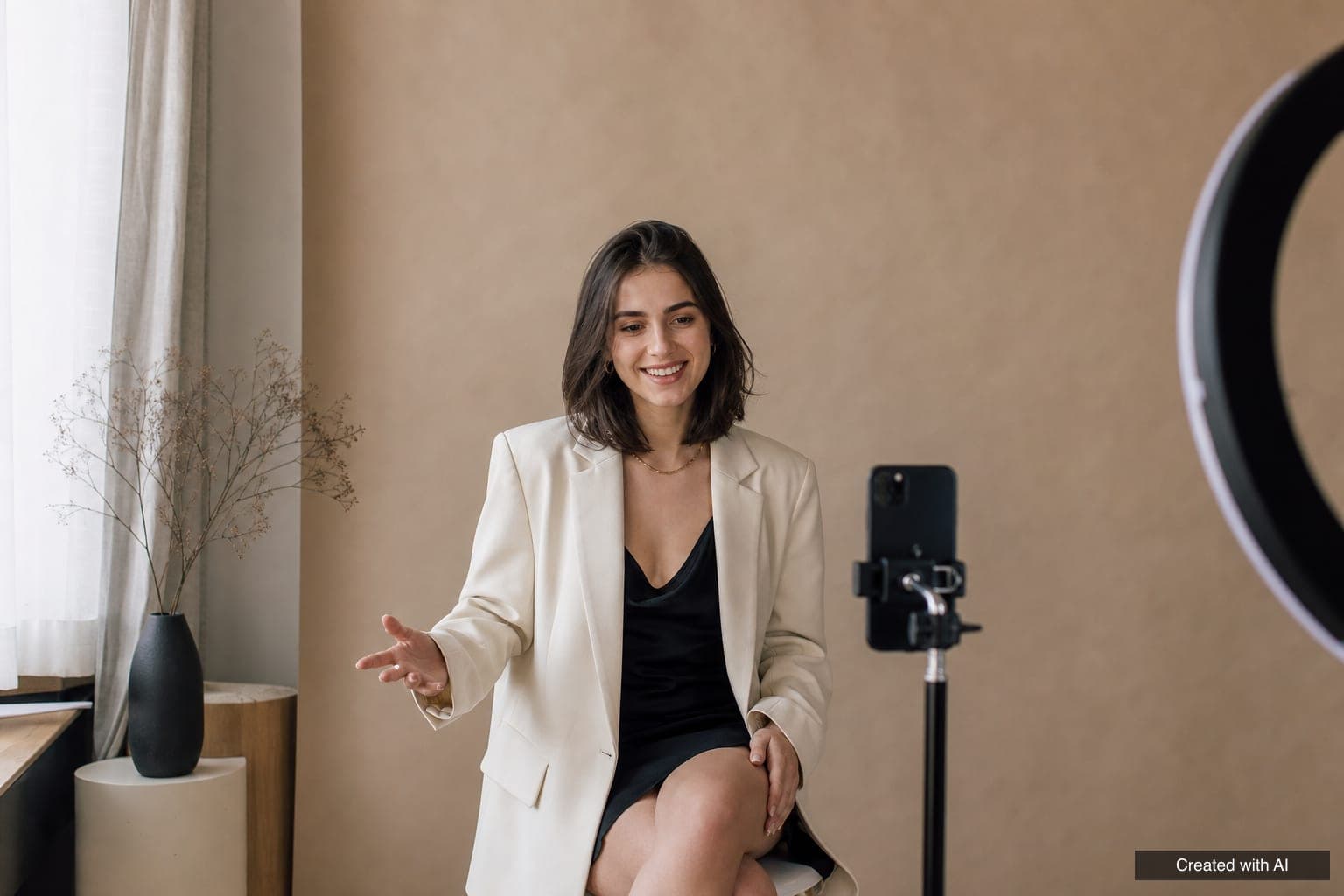
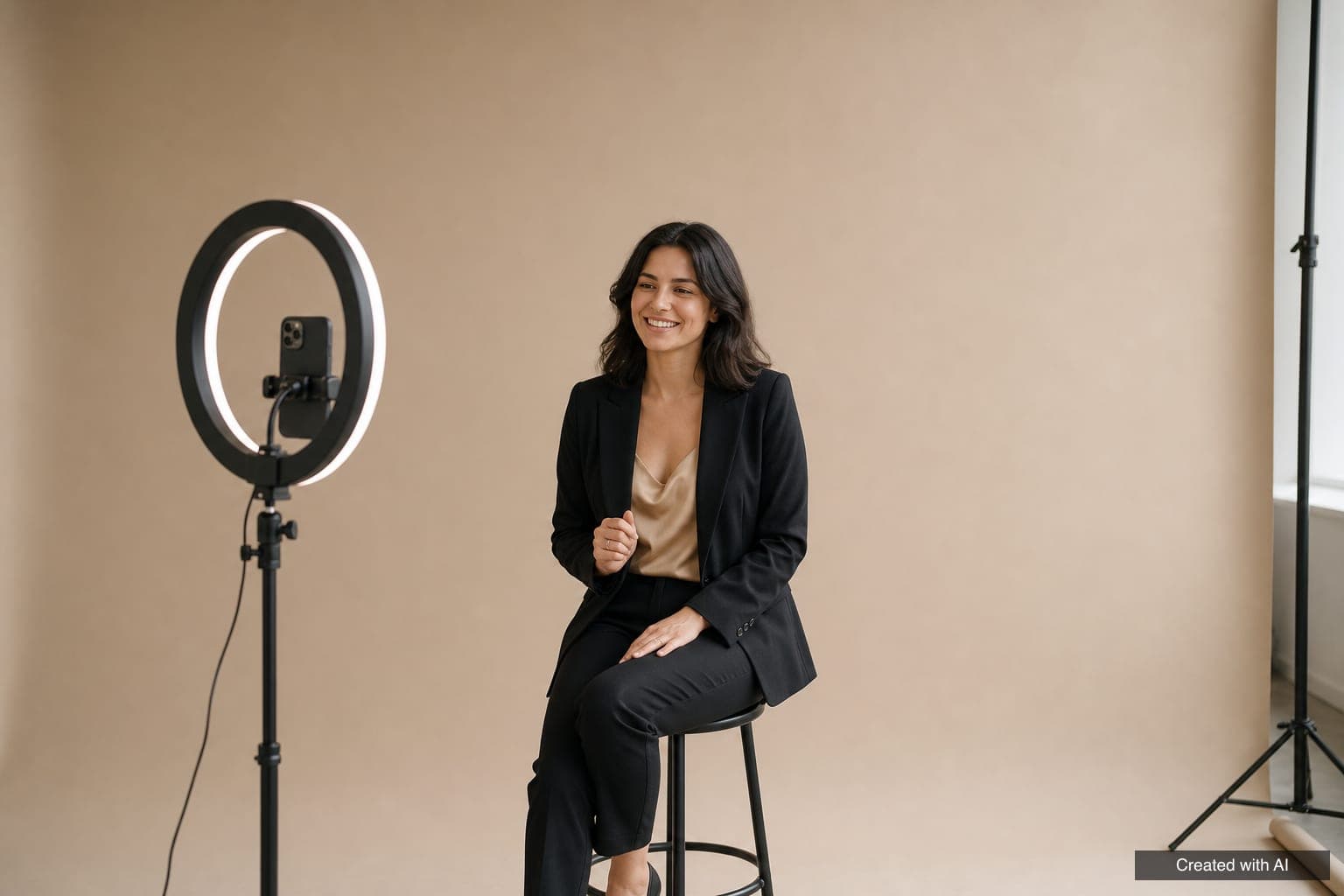
Practise with a timer and film yourself on your phone. You will quickly see where you rush, where eye contact drops and which filler words you repeat.

Pageant headshots
Almost every pageant asks for a headshot for the programme, website and press. It is often the first thing the judges see. Pageant headshots differ from agency digitals: professional hair and makeup are allowed and expected, but your face must stay recognizable.
- Frame from the shoulders or chest up, eyes to the lens, a natural smile.
- Plain background and solid-colour clothing without busy prints.
- Makeup like the look you will wear at the pageant, so the judges recognize you in person.
- Light retouching only: skin texture and face shape should stay real.
- Check the pageant's requirements for format, resolution and background before the shoot.
If you ever plan to approach a modeling agency, shoot plain, no-makeup pictures as well. We explain the difference in our guides to model test shoots and model digitals.
Choosing a pageant evening gown
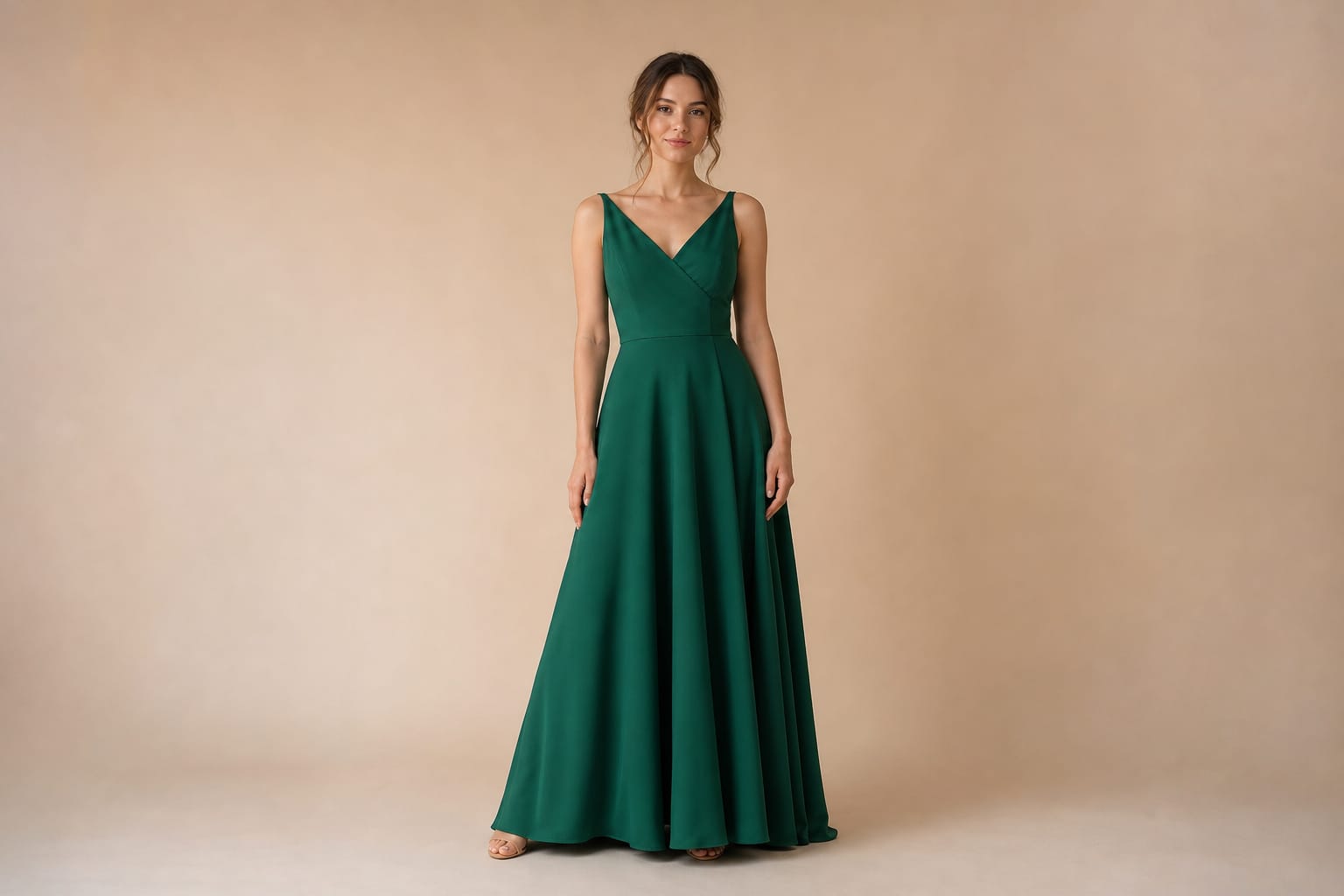
In the evening gown round the judges are not scoring the price tag but how you move and carry yourself in the dress. The gown has to let you walk, turn, take stairs and stand still for several minutes.
| Decision | Advice |
|---|---|
| Silhouette | Choose for your figure: an A-line suits most bodies; a mermaid silhouette shows the figure but limits your stride. See silhouettes in our types of dresses guide. |
| Colour | Stage lighting washes out pale shades. Rich, saturated colours (red, emerald, cobalt, white, black) read better from the seats. Make sure the colour does not match the stage backdrop. |
| Length | With shoes on, the hem should touch the floor or sit 1–2 cm above it. A gown that is too long is the most common reason for tripping. |
| Neckline and back | Check you will not need to adjust it constantly. A pageant stage is not the place for a daring experiment that distracts. |
| Fabric | Sequins and satin catch the light; chiffon moves as you walk. Heavy fabric drapes well but is tiring. |
| Shoes | A heel height you can walk in confidently all evening. Break them in beforehand and add non-slip soles. |
If you are unsure about colour or silhouette, an image consultation can help. For formal dress rules that also apply at pageant events, see our dress codes guide.
Pageant walk vs runway walk
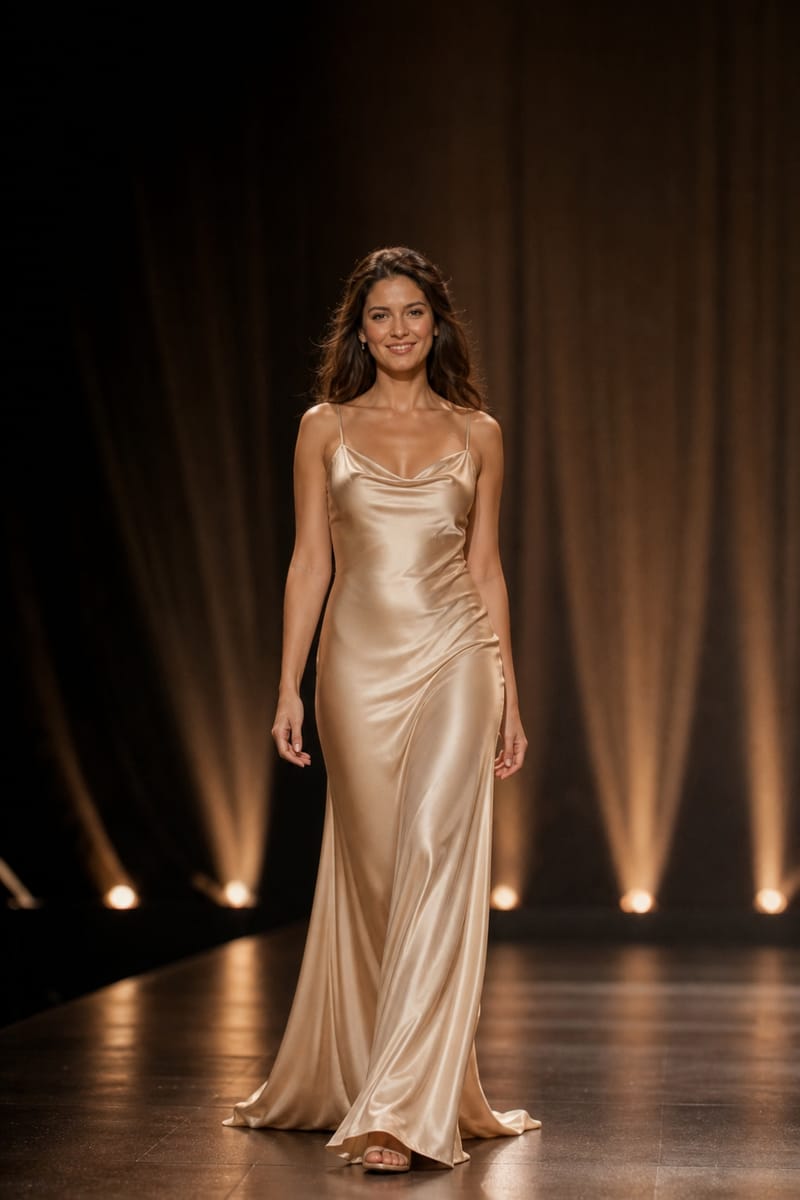
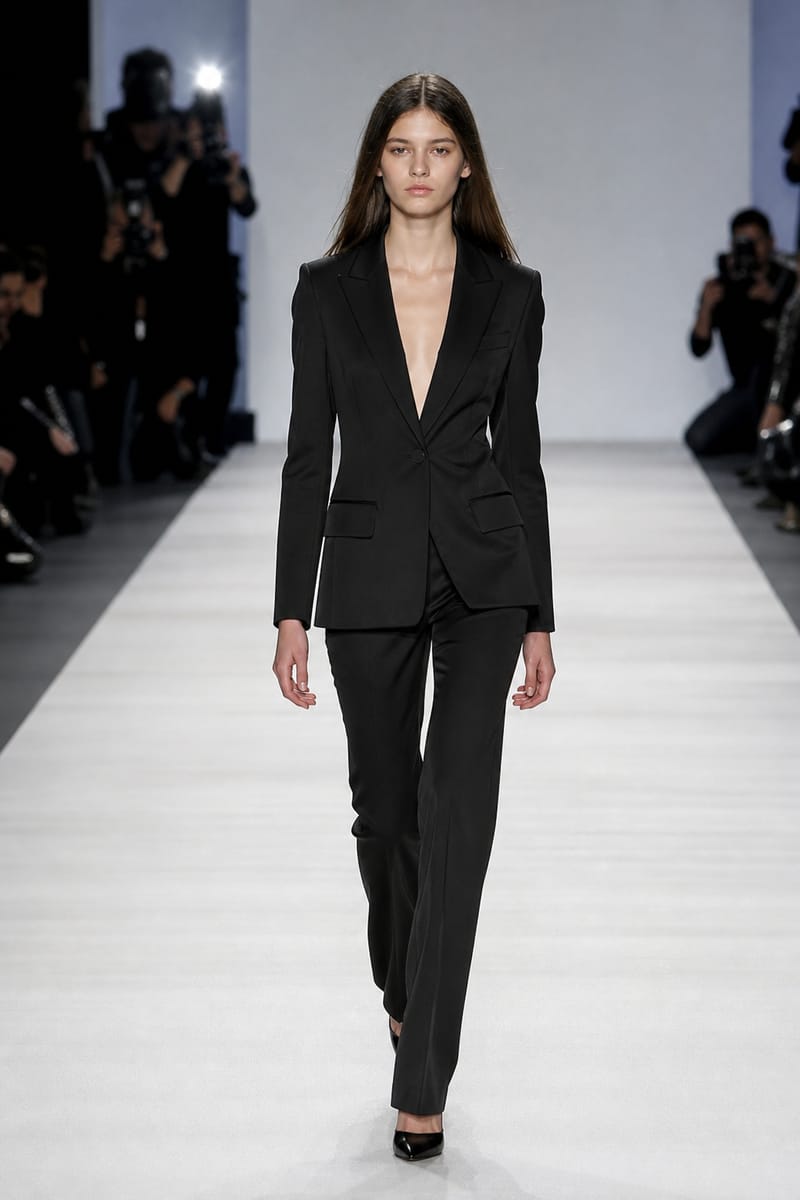
The pageant walk is not the runway walk. On a pageant stage you move softly, smile, pause at marks, turn and connect with the judges. On a runway a model walks straight, in rhythm, with a neutral face, because the clothes are the point.
| Pageant walk | Runway walk | |
|---|---|---|
| Purpose | Show yourself and your confidence | Show the garment |
| Face | Smile, eye contact with judges and audience | Neutral, eyes forward |
| Pace | Slower, with pauses | Steady and rhythmic |
| Turns | Pauses and turns at stage marks | One stop at the end of the runway |
| Hands | Soft at the sides, sometimes on the hip | Loose and natural |
Both rest on the same base: a straight back, relaxed shoulders, a step from the hip and a confident walk in heels. We cover the basics in how to walk like a model and how to walk in heels. Rehearse in the shoes you will wear and in a long skirt or the gown itself.
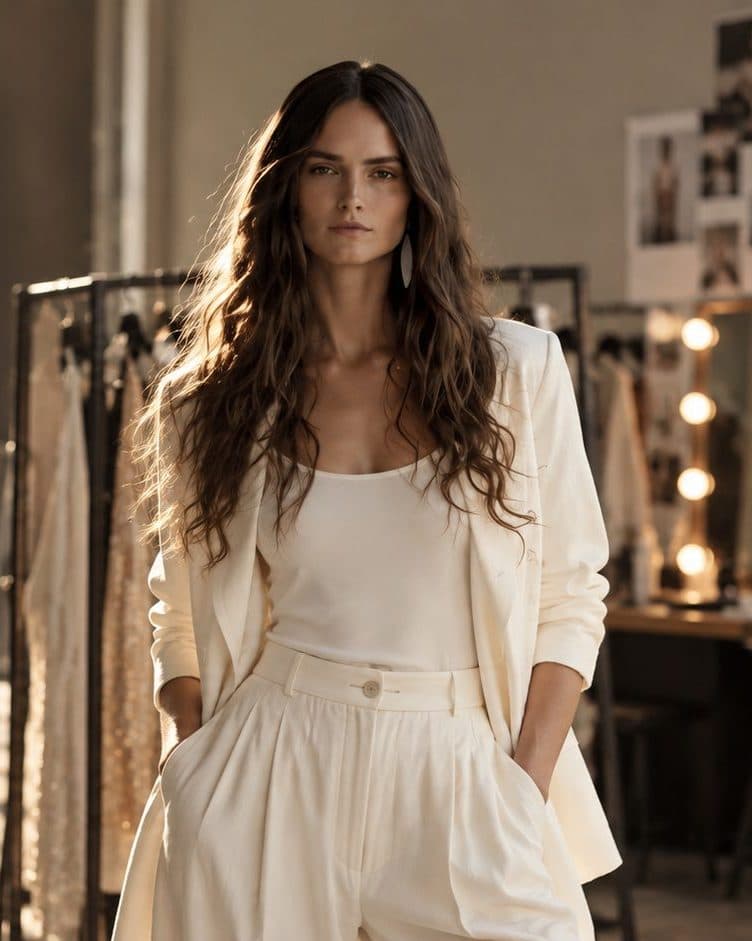 Model training with SupermodelsThe walk is best seen on videoWe film how you walk now and work on posture, stride and the turn until the walk is yours.About the trainingfrom €69
Pageant talent ideas and rules
Not every pageant has a talent phase, but some do, including Miss America and Miss World. A talent performance usually runs no longer than a couple of minutes, so choose what you do best, not what looks most impressive.
- Music: vocals, piano, violin, guitar.
- Dance: ballet, contemporary, folk or acrobatic dance.
- Spoken word: a monologue, poetry, a short talk about your platform.
- Other: gymnastics, live painting, languages, a martial arts routine.
Check the technical rules: whether you can bring an instrument, what audio format the music must be in, whether the stage suits dance. Rehearse in costume so there are no surprises.
Your pageant platform
Many pageants ask contestants to present a community cause, usually called a platform or social impact initiative. At Miss World it is Beauty With a Purpose, and it sits at the heart of the competition. A strong platform can be explained in a minute and shows evidence that you are already doing the work, not only planning it.
- Pick a cause you have a personal connection to. Judges quickly sense when a topic was chosen for points.
- Have numbers and facts: events held, people reached, partners you work with.
- Prepare a short version (30 seconds) and a long one (2–3 minutes) for the interview.
- Think through what you would do with the title for a year: concrete steps, not general promises.
Pageant coach: when it is worth it
A pageant coach helps with the interview, the walk, styling and the platform. A good coach can save time, especially at a first pageant. Before paying, keep a few things in mind.
- Ask former contestants for references and which pageants the coach has worked with.
- Agree the price and number of sessions in writing. Prefer single sessions to long prepaid packages.
- No coach can guarantee a placement or a title. "Guaranteed top 10" is a red flag.
- Check the coach has no ties to the judging panel. Many pageants forbid it.
Some of these skills can be learned without a pageant coach. Model training and the Supermodels Masterclass teach walking, posing and speaking on camera, and our modeling school guide explains what such courses offer.
What to avoid
- Memorizing answers word for word. Judges hear a recited script immediately.
- A gown you cannot walk in. A stumble stays in the memory longer than a beautiful colour.
- Extreme restriction of food or water in the final week. Fatigue shows in the interview and on stage.
- Expensive packages that promise a title or a "final spot".
- Forgetting that a title means a year of work: events, speeches, charity appearances. Make sure you want it.
Frequently asked questions
What questions are asked in a pageant interview?
Mostly questions about you, your platform, your city and country, current events and pageants themselves. Most come from your contestant fact sheet, so know it by heart.
How do you answer an on-stage pageant question?
Answer directly in the first sentence, give one example and finish with a line that ties the answer to your goal. You usually have about 30 seconds, which is enough for one clear idea.
What kind of evening gown is best for a pageant?
One you can walk and turn in freely, that suits your figure and reads well under stage lights. Rich colours and an A-line are usually a safe choice. With shoes on, the hem should touch the floor or sit just above it.
How is the pageant walk different from a runway walk?
The pageant walk is slower, with a smile, pauses and eye contact with the judges. A runway walk is straight, rhythmic and neutral, because the clothes are the focus.
Do I need a pageant coach?
Not necessarily. A coach can help, especially the first time, but a lot can be learned by rehearsing with friends, filming yourself and taking walking or public speaking classes. Avoid coaches who promise a guaranteed result.
How long does it take to prepare for a pageant?
Ideally three to four months, which leaves time for your platform, headshots, gown and rehearsals. The final week should be calmer, not the most intense.
Sources
- Miss America, missamerica.org (interview, talent, community service) and eligibility, checked October 2026.
- Miss World, Miss World's Official Format for 2026 Revealed (Beauty With a Purpose, Multimedia, Head-to-Head, Top Model, Talent, Sports), August 2026.
- Miss Hawaii USA, FAQs (interview, swimsuit or activewear and evening gown scored equally; what judges look for in the on-stage interview), checked October 2026.
- Pageant Planet, How to Succeed in Pageant Interview (interview formats and length, panel size).
- PBS NewsHour, Miss America eliminates swimsuit competition, 2018.
- Jurgita guides How to walk like a model, How to walk in heels and types of dresses.


Comments (0)
No comments yet. Be the first!
Only logged-in users can comment. Register — and you'll be able to share your thoughts on this article.
Register